
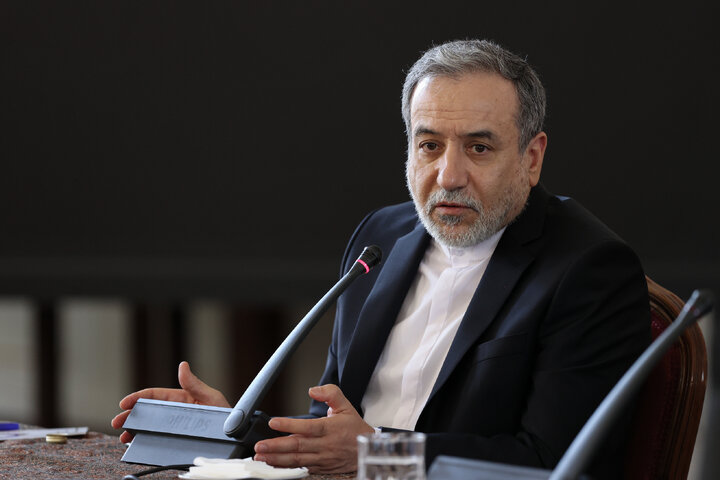
Iran (IMNA) - In a recent interview with the Financial Times, Araghchi emphasized that Iran is committed to a peaceful nuclear program and that the fatwa remains a guiding principle forbidding nuclear weapons development.
However, Araghchi stressed that the road to negotiation with the U.S. remains narrow but possible, delineating new conditions for resuming diplomacy following a 12-day conflict with Israel which saw U.S. involvement. He insisted that the United States must compensate Iran for damages caused during the conflict and provide assurances that similar attacks will not recur amid future talks. According to Araghchi, Iran refuses to return to "business as usual" given recent hostilities and demands transparency and goodwill from the U.S. side.
Araghchi revealed ongoing communication with U.S. envoy Steve Witkoff, who expressed willingness to resume talks with the goal of a “win-win solution” but highlighted a need for real confidence-building measures, including financial compensation from the U.S.. Araghchi emphasized that a negotiated solution for Iran’s nuclear program is achievable but warned there can be no deal if Washington insists on zero uranium enrichment, as Iran sees enrichment as its legal right under the Nuclear Non-Proliferation Treaty.
The Iranian foreign minister also criticized the UK, France, and Germany—European signatories to the 2015 nuclear deal—for threatening to trigger a “snapback” of UN sanctions if Iran does not resume talks and cooperate with the International Atomic Energy Agency (IAEA). He warned that such a move would end negotiations with Europe, accusing them of failing in their commitments.
Araghchi mentioned an attack on a new uranium enrichment facility near Isfahan was part of the recent conflict, noting that the site was being prepared for enrichment but was not yet operational when targeted. While affirming Iran’s peaceful nuclear intentions and doctrine, he acknowledged growing skepticism within Iran’s ruling establishment toward negotiations, intensified by distrust of U.S. President Donald Trump’s previous withdrawal from the 2015 nuclear deal and his administration’s policies.
Your Comment