In Iran, Ashura arrives not merely as a date on the calendar, but as a season of the soul.
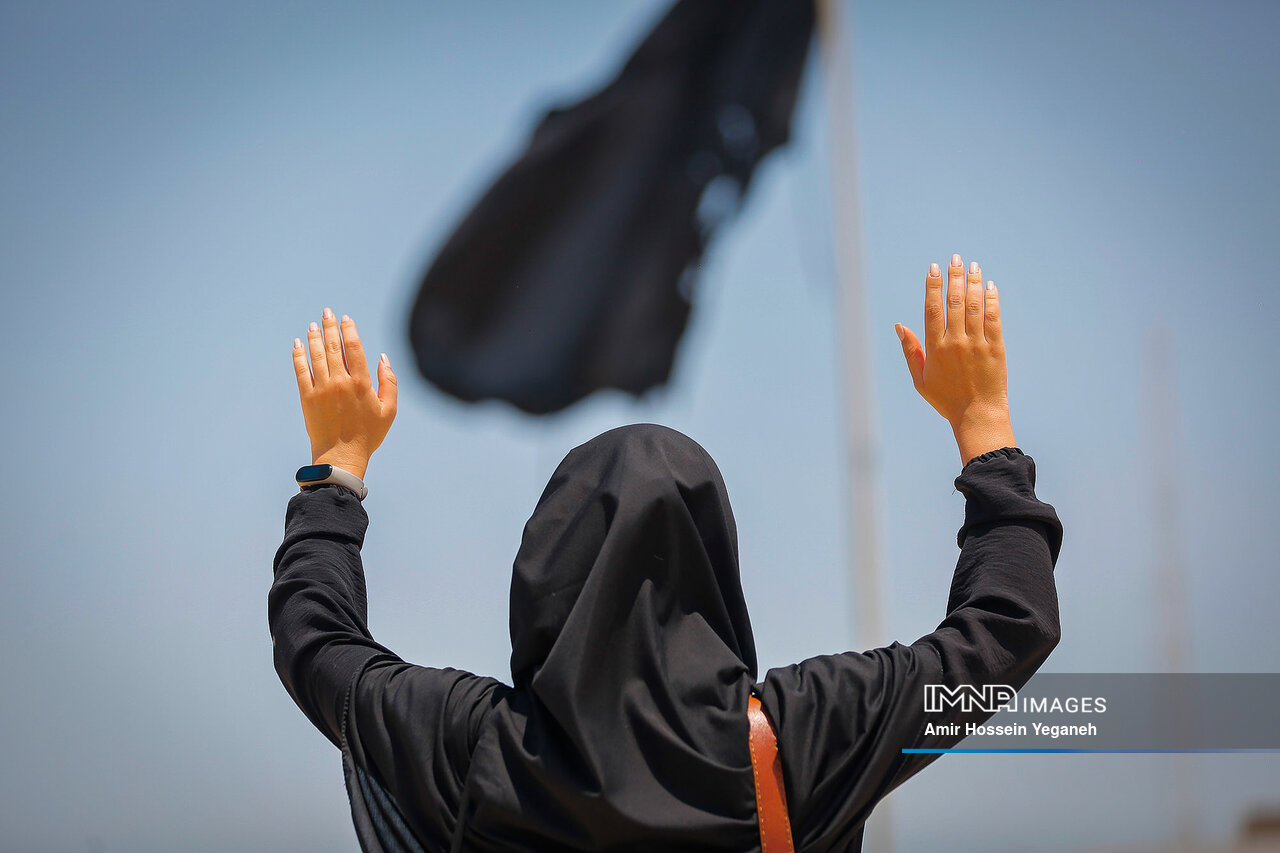
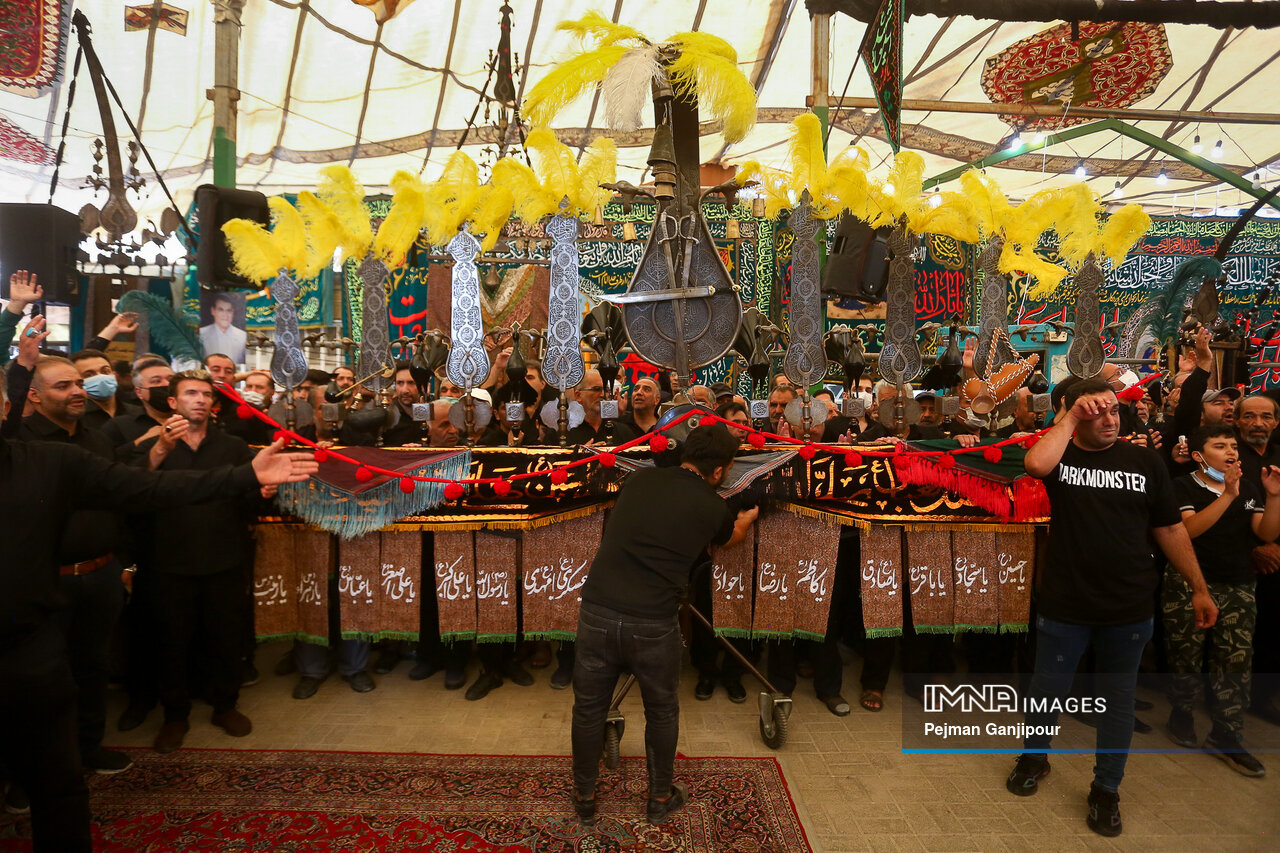
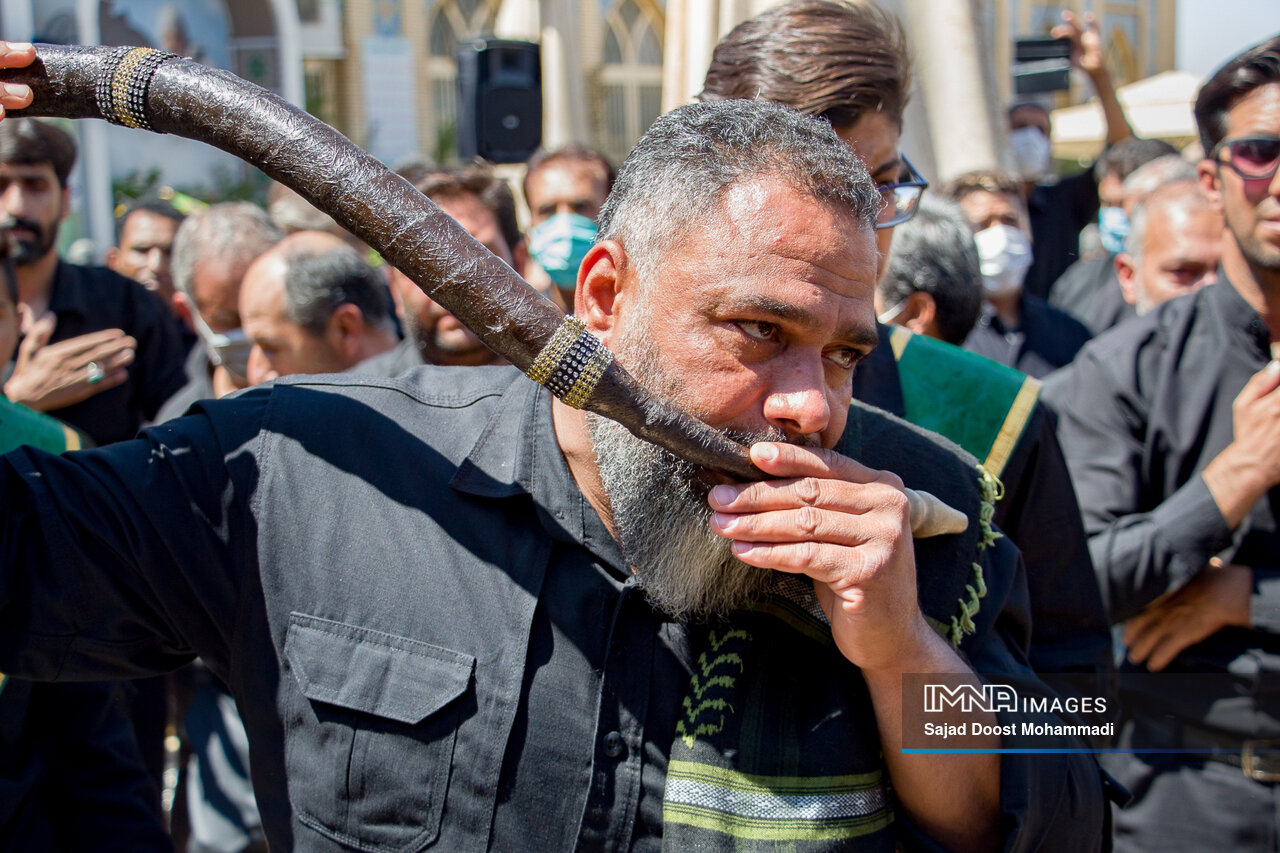
Iran (IMNA) - As the month of Muharram begins, cities and villages gradually change their appearance. Black banners sway above narrow alleys, mosques glow beneath dim lights, and the air is filled with the mournful cadence of elegies. It is as though time itself slows down to remember an ancient sorrow.
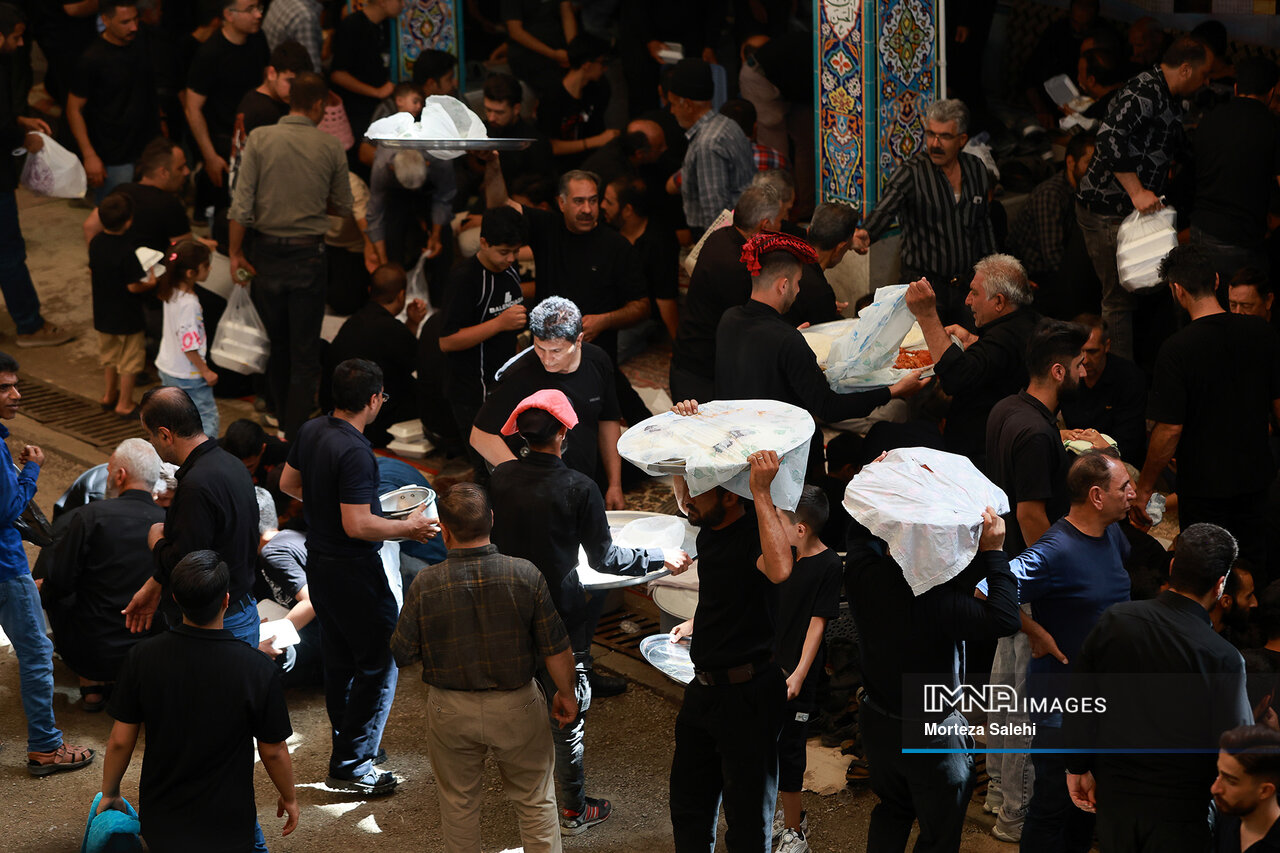
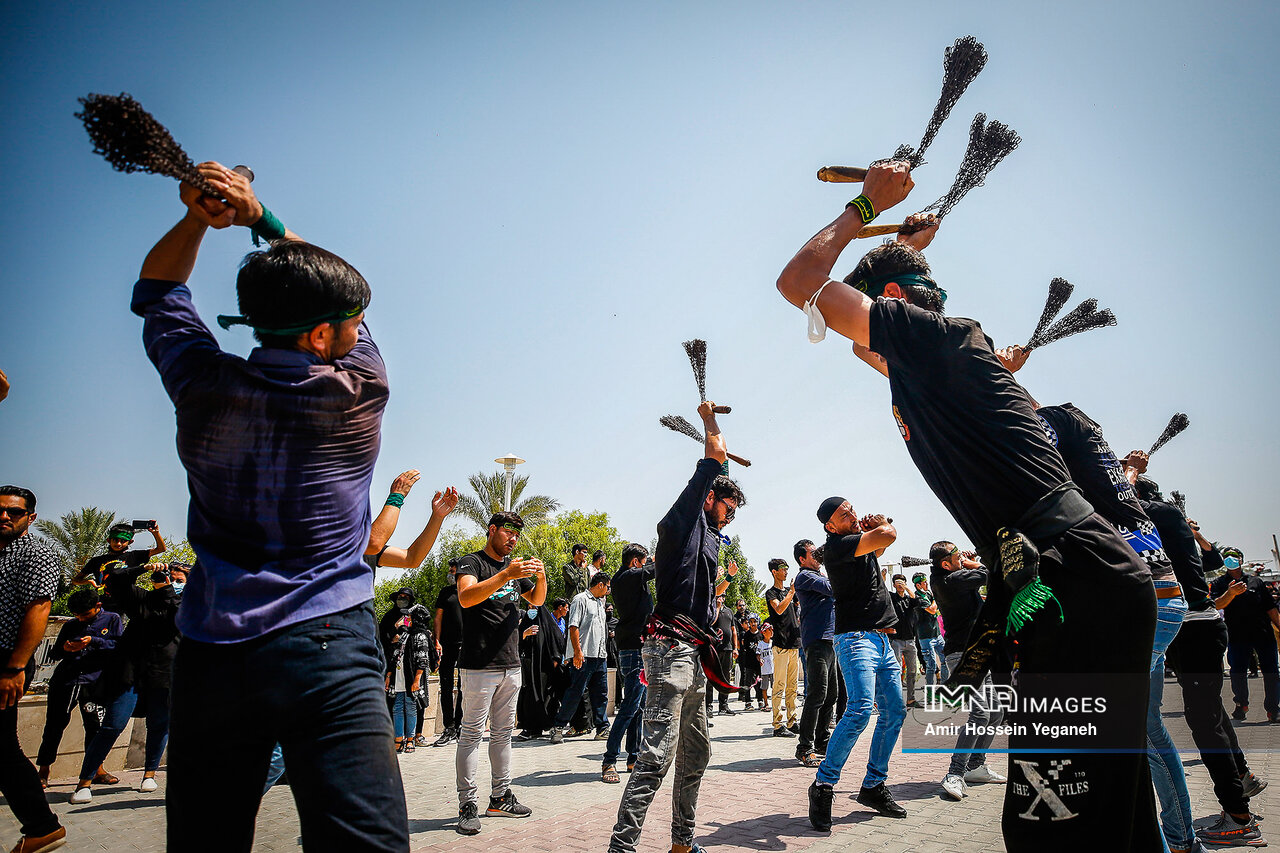
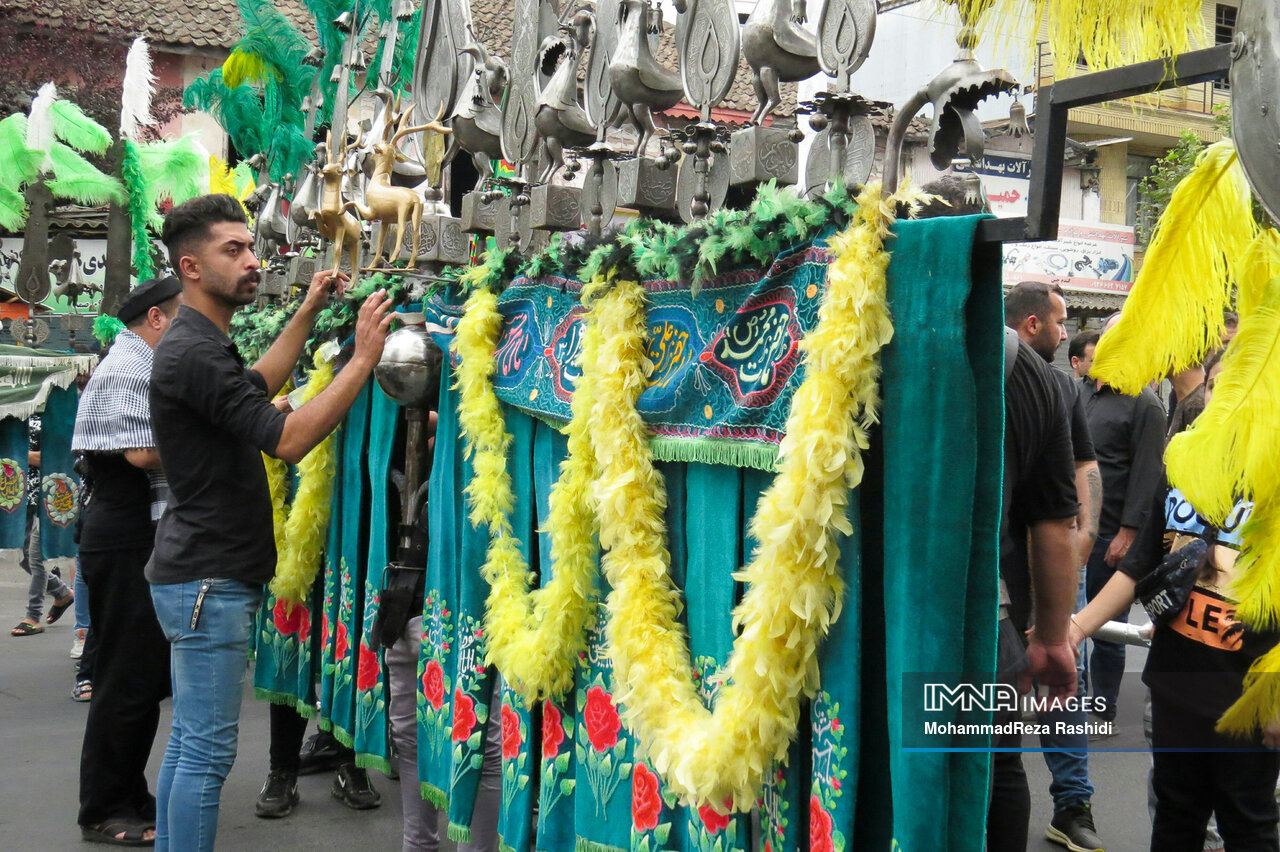
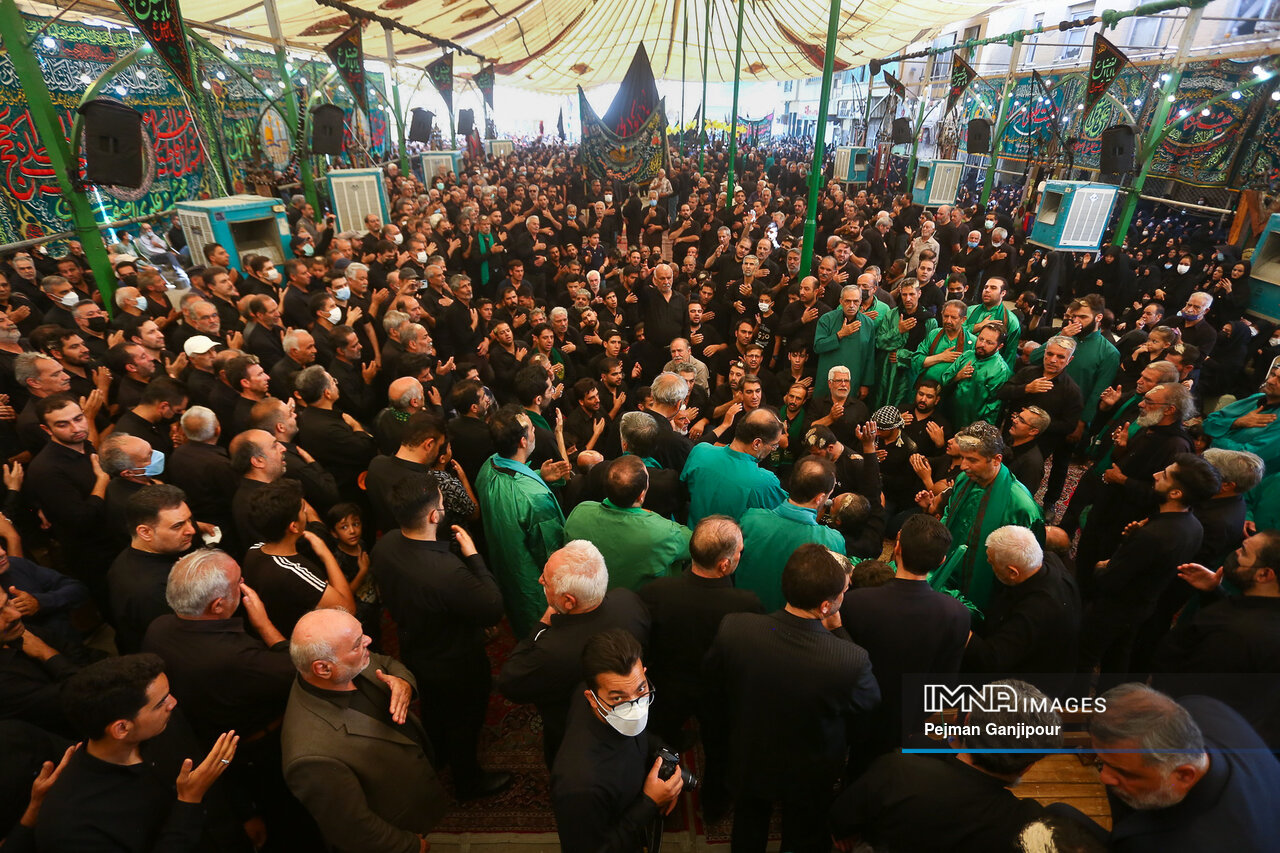
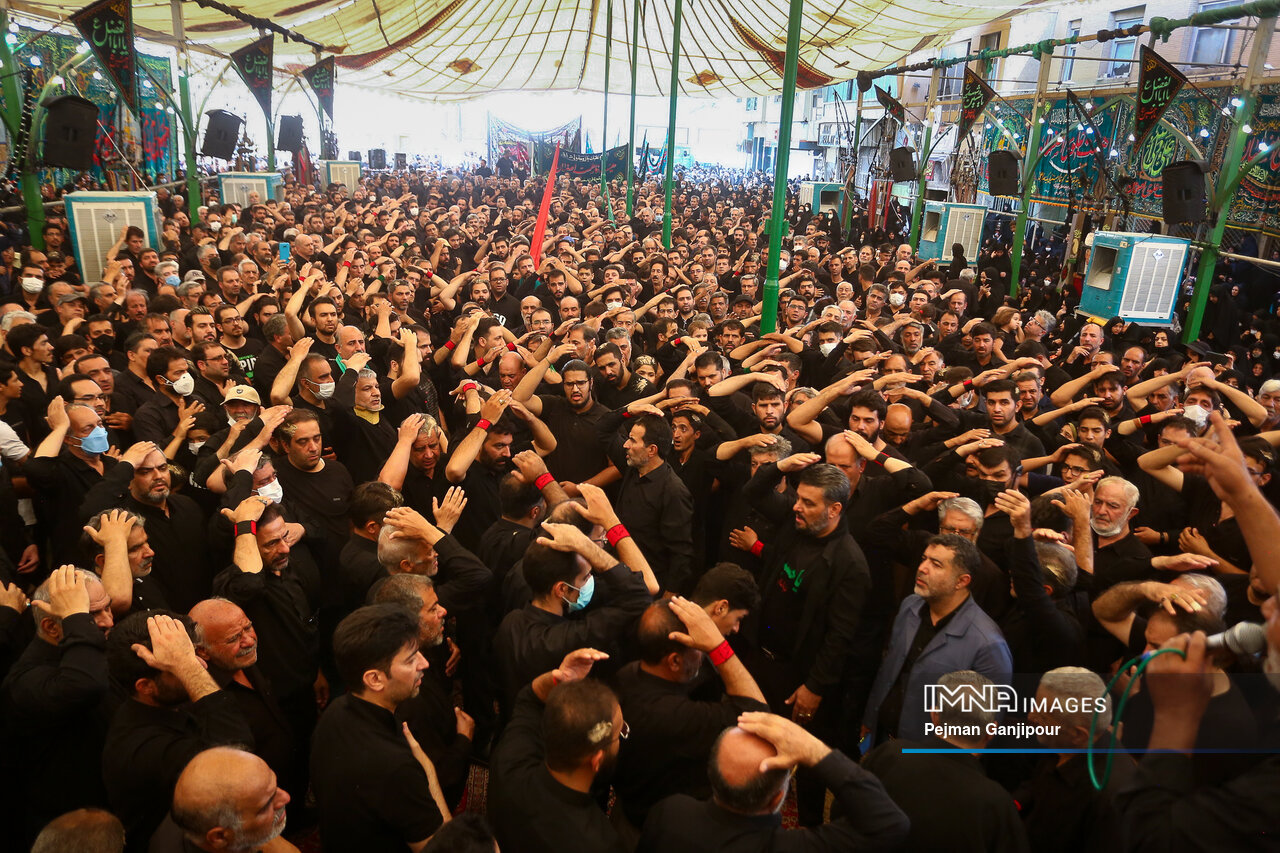
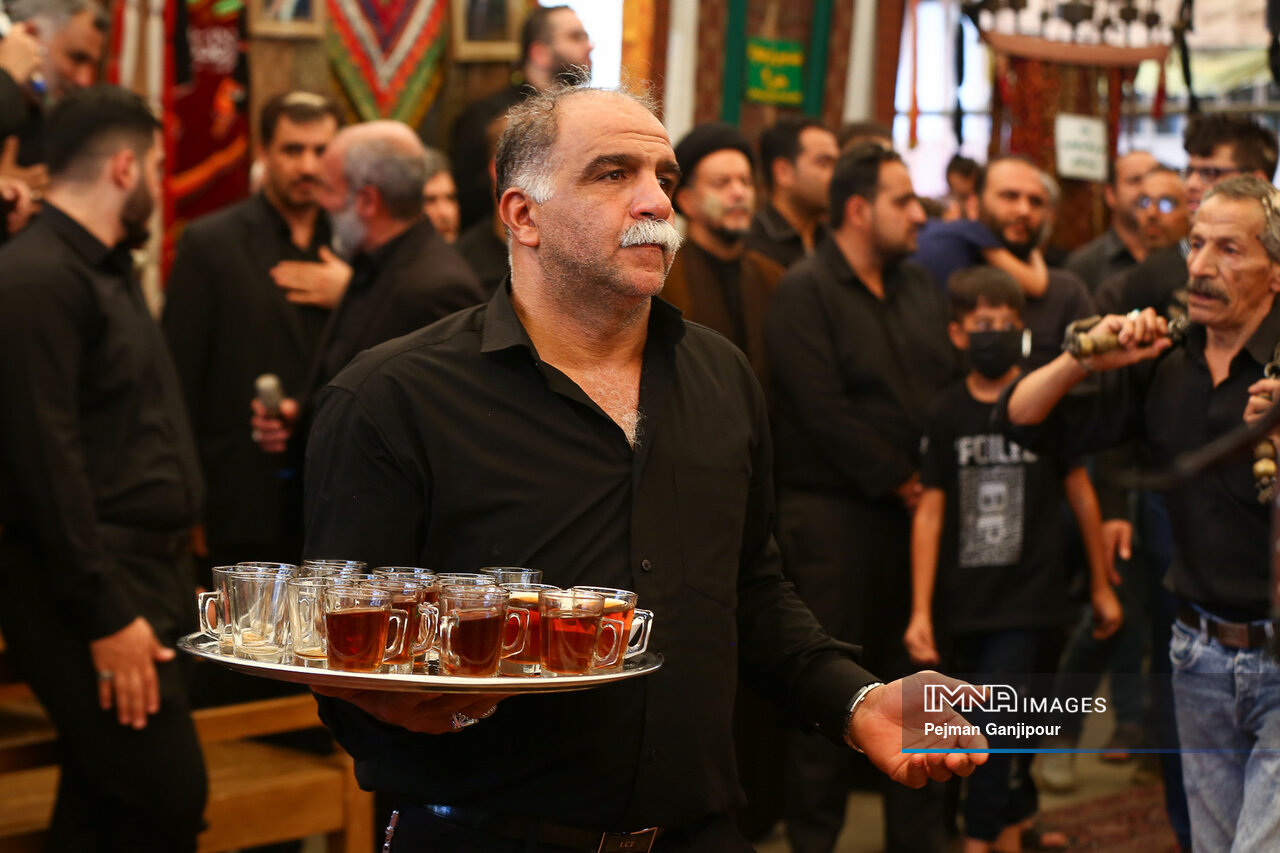
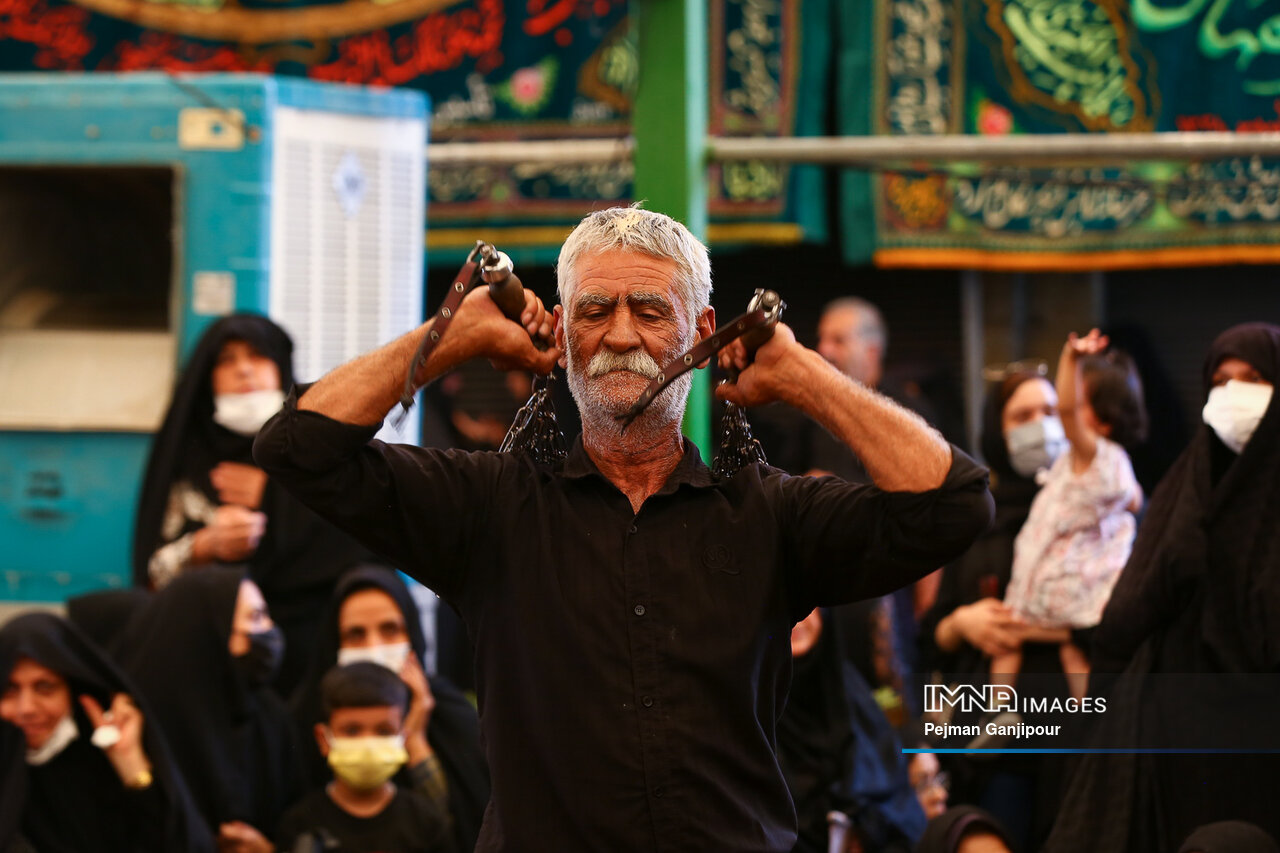
On the day of Ashura, before dawn has fully broken, the streets awaken. Men dressed in black gather in processions, beating their chests in unison to the rhythm of lamentation. The sound echoes through neighborhoods like a collective heartbeat, carrying the memory of Karbala from one generation to the next. Women prepare votive meals in large cauldrons, distributing food among strangers and neighbors alike, transforming grief into generosity.
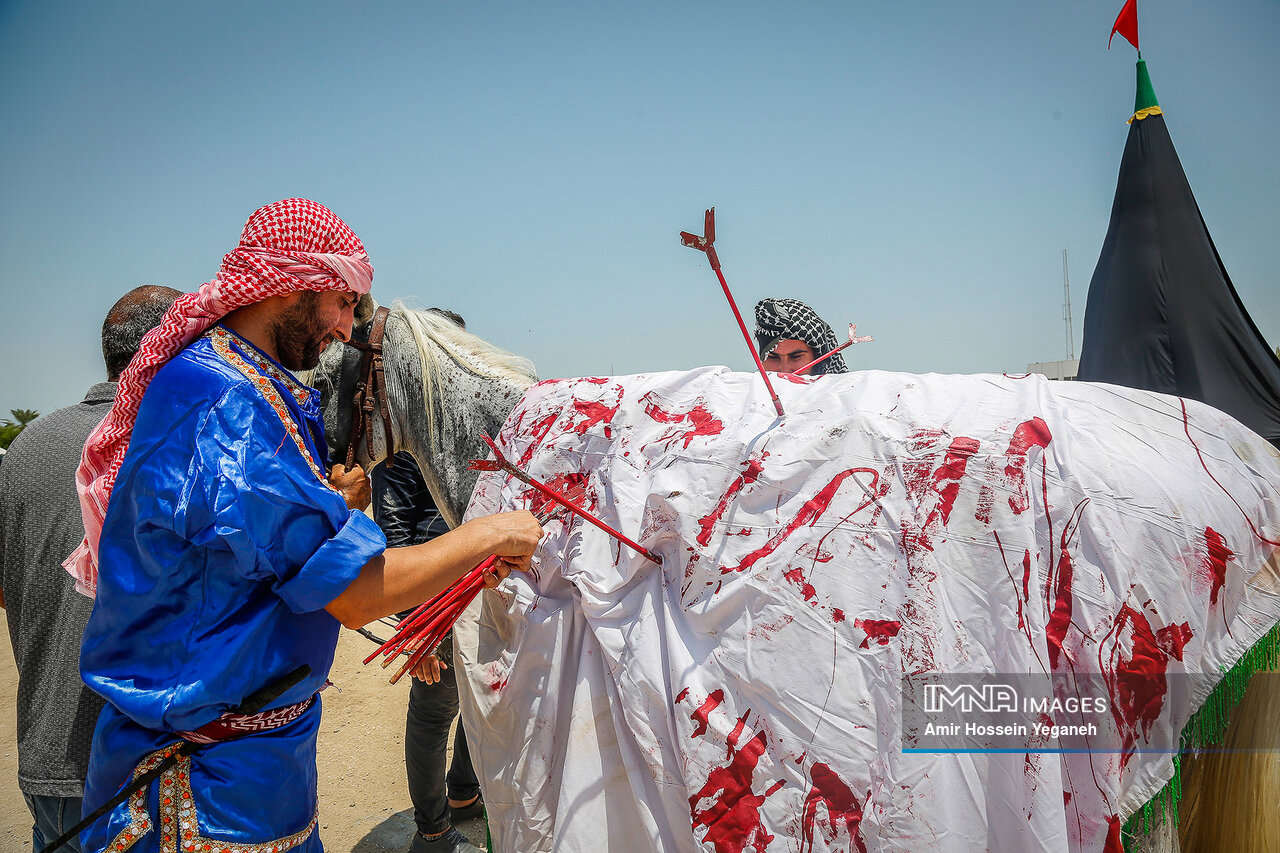
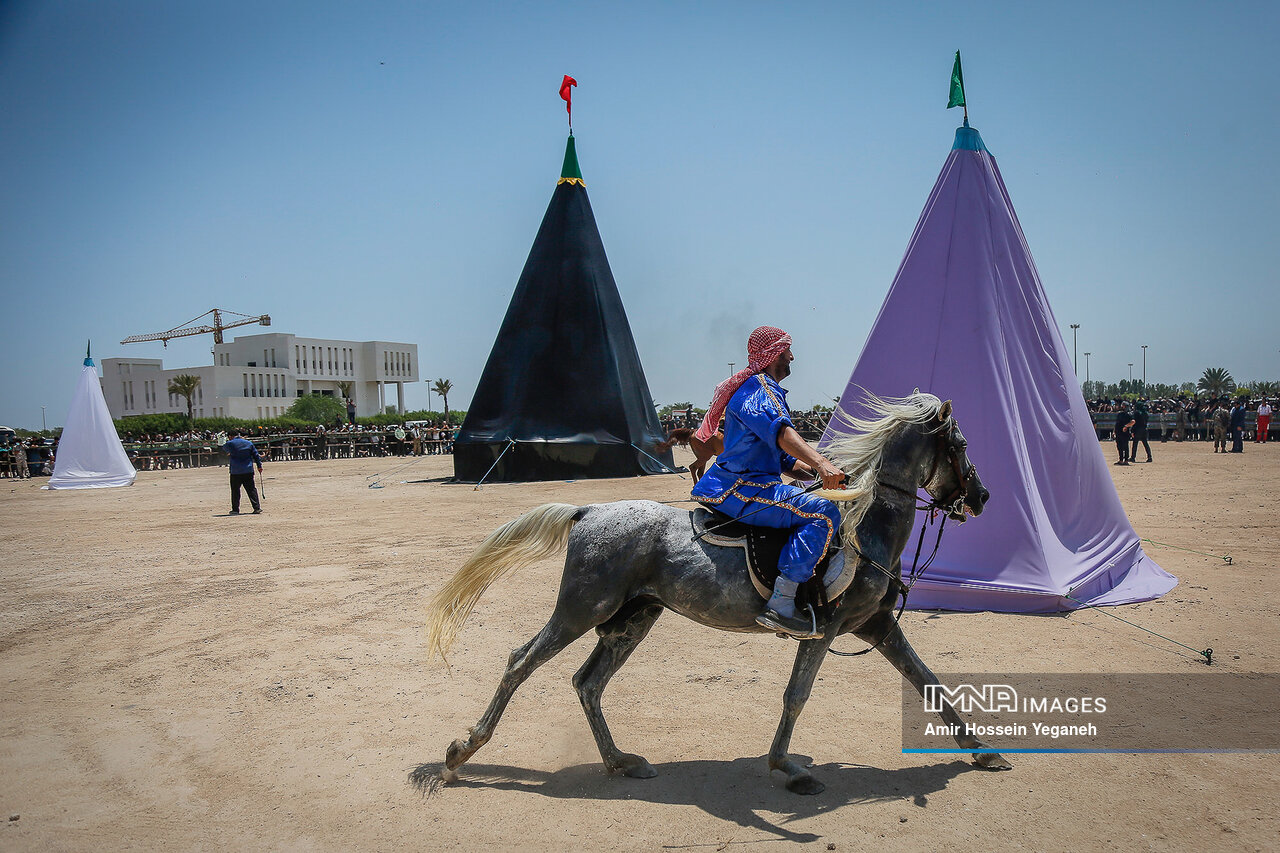
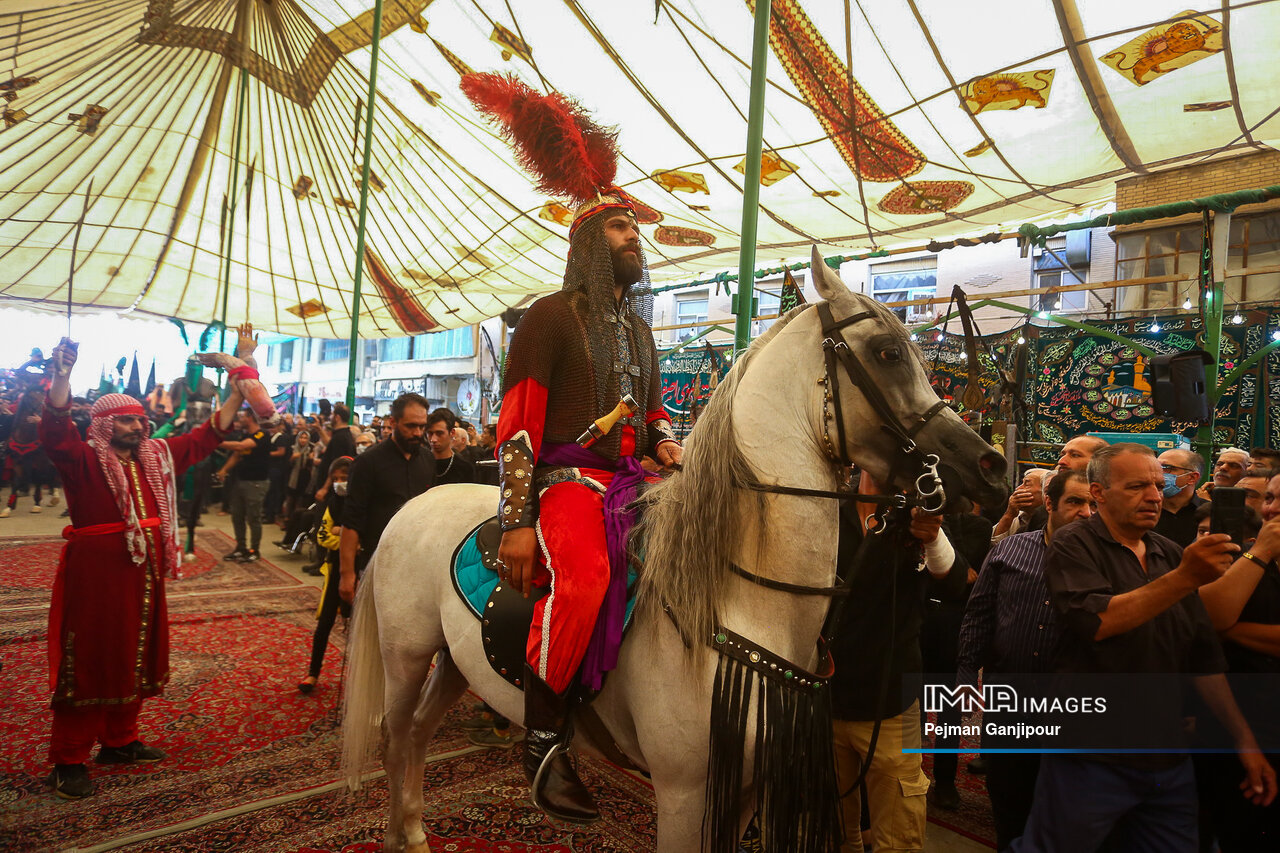
Across the country, from bustling cities to remote mountain villages, passion plays known as Ta'zieh recount the final hours of Imam Hussein and his companions. The performers do not merely act; they revive a story that lives deeply in the hearts of the people. Tears flow freely, for the tragedy of Karbala is not remembered as a distant historical event, but as a living moral legacy of sacrifice, dignity, and resistance against injustice.
As evening descends, candles flicker in the darkness, and the mournful chants continue. In that shared silence between verses, one can sense the enduring spirit of Ashura—a spirit that transcends time, binding millions together in remembrance, faith, and hope.
In Iran, Ashura is more than a ritual of mourning. It is a profound cultural and spiritual experience, where history, devotion, and collective memory converge in an annual expression of love for Imam Hussein and the eternal values for which he stood.







Your Comment