Rivers have been instrumental in shaping the history of cities since their very beginnings. Cities were founded along rivers long before there were roads or railways connecting them – rivers offered both water and fine soil for growing food (agriculture), as well as economic prospects and vital spac
Iran (IMNA) - Many historical urban rivers today have been threatened by climate change, drought, the expansion of urban areas into these areas through excessive development, and general neglect. It is therefore essential, from an environmental perspective as well as from the standpoint of social and cultural responsibility, that these waterways be protected.
The presence of an urban river has a significant effect on a city's economic and social viability because it serves as an open, public space for gathering, walking, exercising, and interacting with others. In many cases, the riverfront is the most active area of a city where there are social, cultural, and community connections that help to create a feeling of ownership and belonging for the residents. The presence of a flowing river has also been shown to benefit mental health, relieve stress, and create an emotional bond between the community and the city or urban area.
More Than Water: Zayandehrud and the Soul of Isfahan
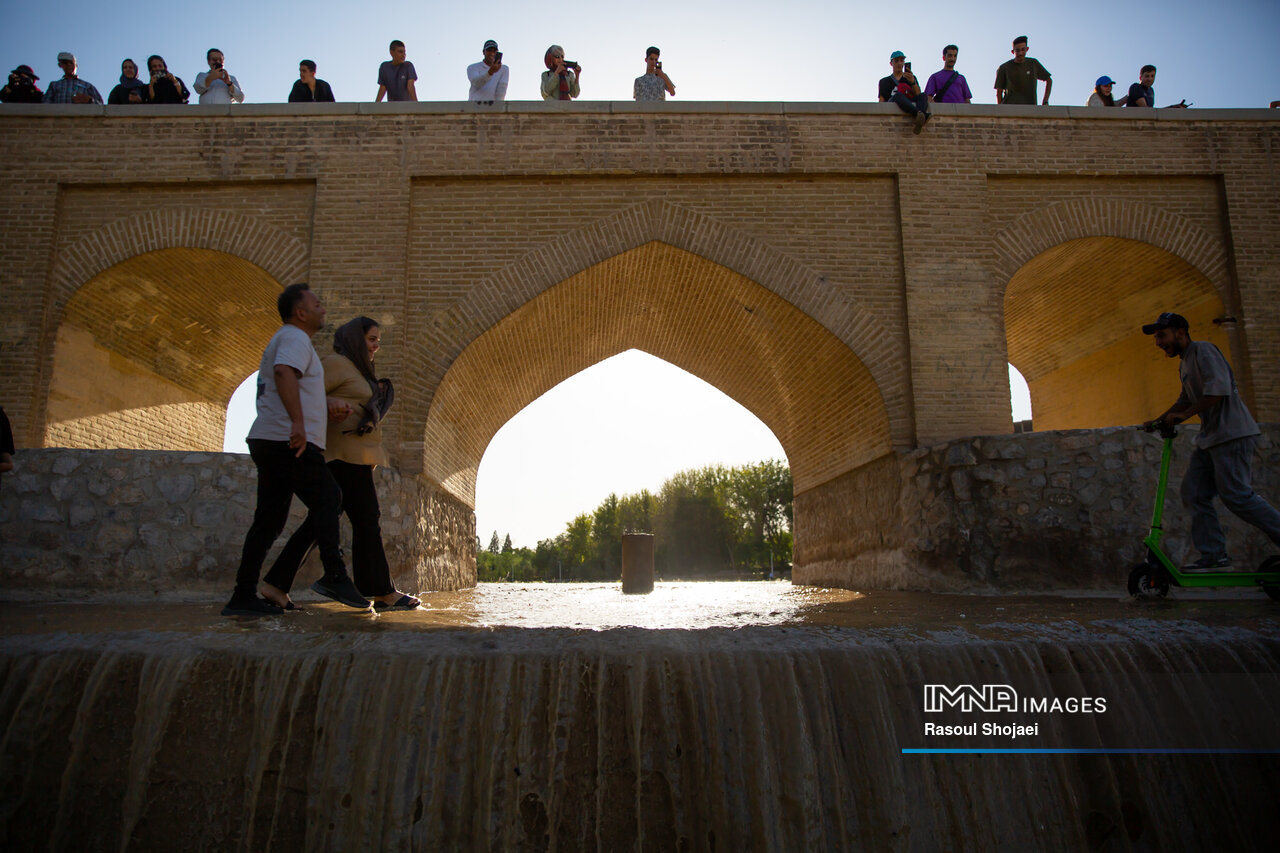
The Zayandehrud River in Isfahan, which originates from the Zagros Mountains, represents a strong tangible connection between urban rivers and communities. For centuries, rivers have influenced city planning, architecture, and cultural identity. Examples of this include iconic bridges such as Si-o-se-pol and Khaju over the Zayanderud river, both designed as meeting places to foster a sense of belonging within a community.
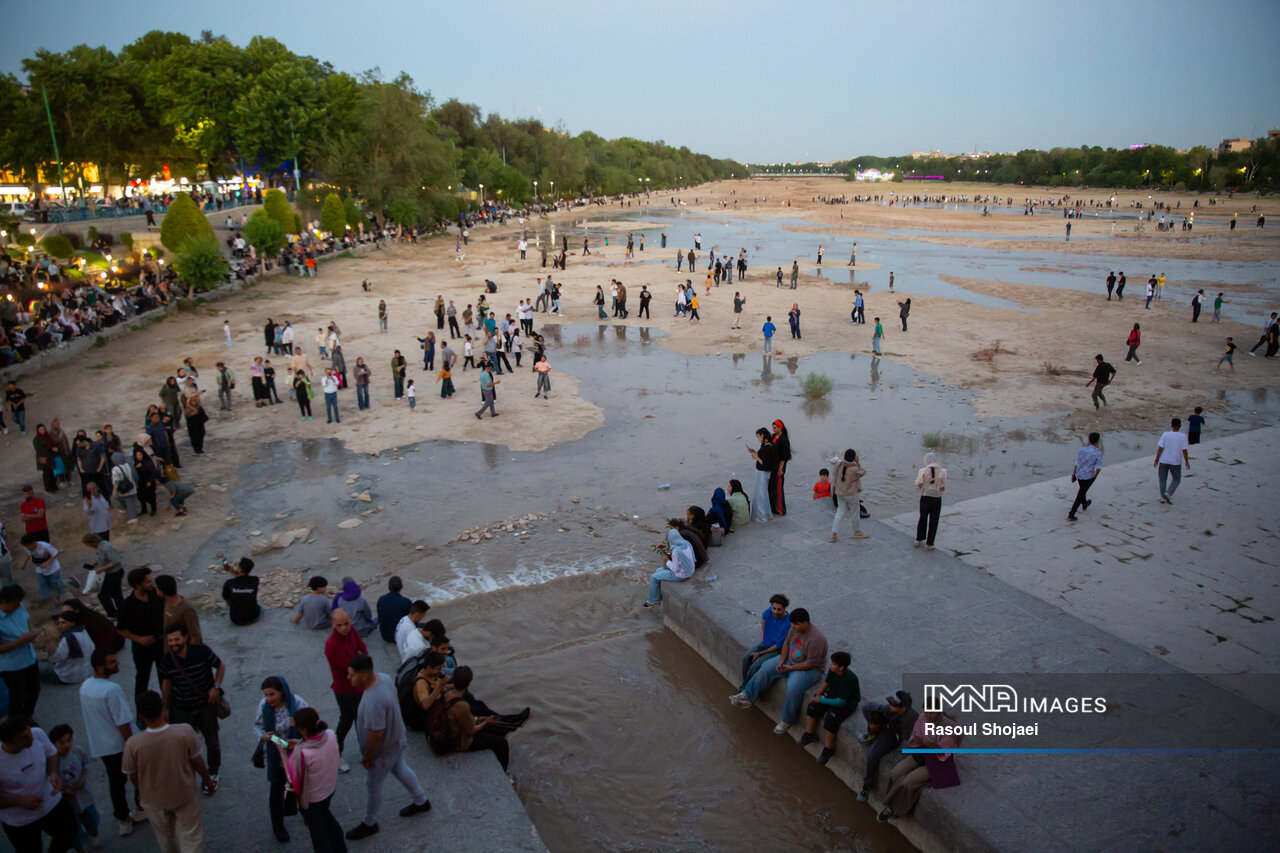
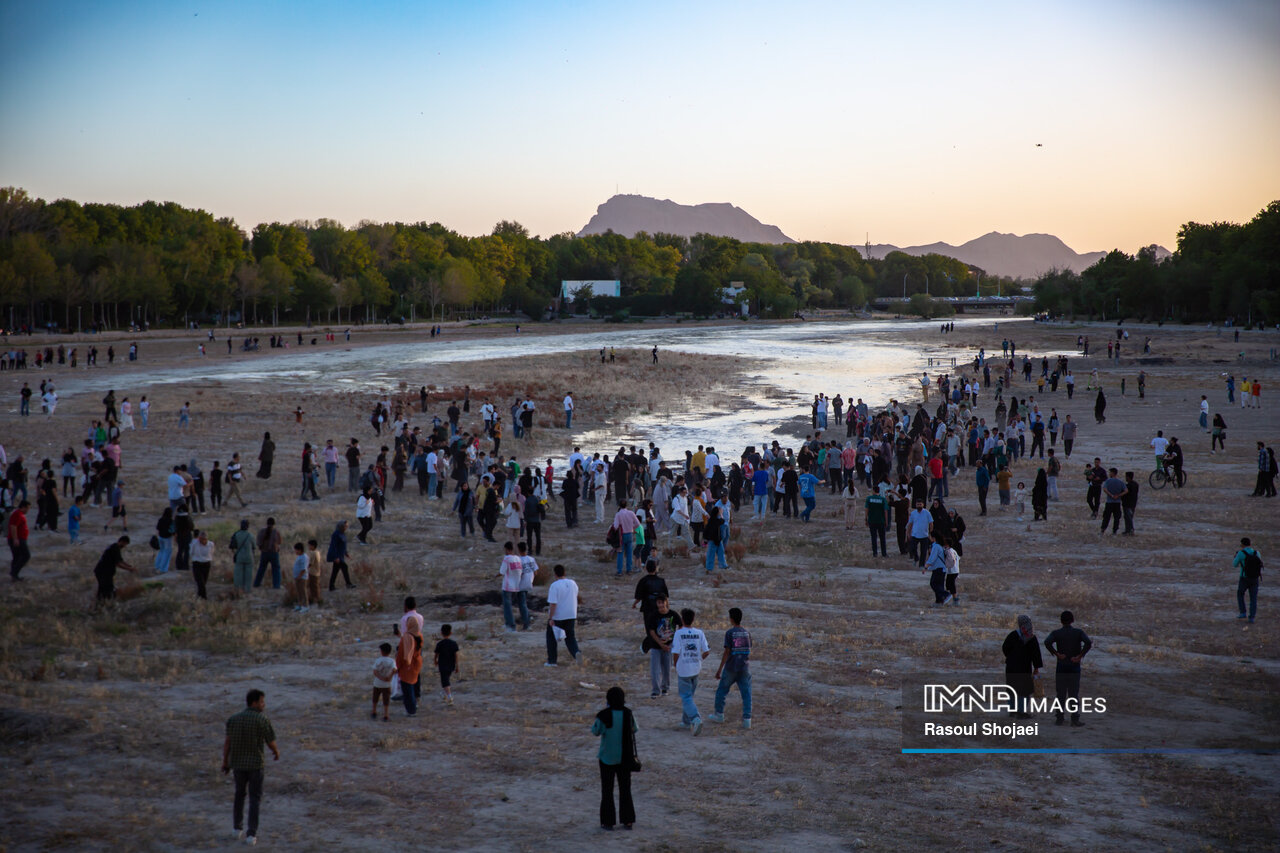
As its name represents (Zayandehrud means life-giving in Farsi), this beautiful river once flowed without any stop during its path to the Gavkhooni wetland; however, due to droughts and increasing demands for water, there is no longer a constant flow of the river. When water is discharged back into the river bed during times of drought by managed allocation programs, it does little to return the Zayandehrud to its historic condition. This fact indicates the significance of this river in the culture and identity of Isfahan and its citizens. In fact, during the times of the river's presence in the city, throngs of people of all walks of life, and even tourists from other countries, gather along the riverbank to celebrate the emotional and cultural connections to the Zayandehrud River.
The relationship between historic rivers and cities goes far beyond being merely conduits for water. Rivers, especially those that are considered the signature of the cities, are indispensable parts of urban identity.
As cities continue to face challenges related to climate change and urban development, it is of utmost importance that preserving historic rivers gain a top priority. Even when natural conditions require periodic water releases, maintaining the visible and functional presence of rivers helps sustain public life, strengthen community bonds, and preserve cultural heritage associated with the city's collective memory. While cities may survive without many of their physical features, once they lose the river that has shaped their history and character, they also lose their soul.
Whenever water flows back into the Zayandehrud River, the riverbanks instantly come alive with family and friends, artists, and tourists gathering along Isfahan's historic bridges to create a lively public space where conversations are held, music is played, and memories are shared. The return of the river does not just mean water will once again flow through a dry bed, but it has revived a social atmosphere that connects people and the city's heritage. These moments show how well-established the Zayandehrud is in the daily lives of Isfahani people. This river is a living symbol of the relationship between the city and its residents, reinforcing that Isfahan's vibrancy is interdependent with the Zayandehrud's.
نویسنده : الهه سیف الدین







Your Comment