As the first light of dawn unfurls over the Zagros Mountains, a quiet transformation is taking place in the terraced fields of Lorestan, a highland region in western Iran known more for its oak forests and nomadic traditions than for exotic spices. But this autumn, a new kind of story is growing among the ridges — one woven from the slender, ruby-red stigmas of the saffron crocus.
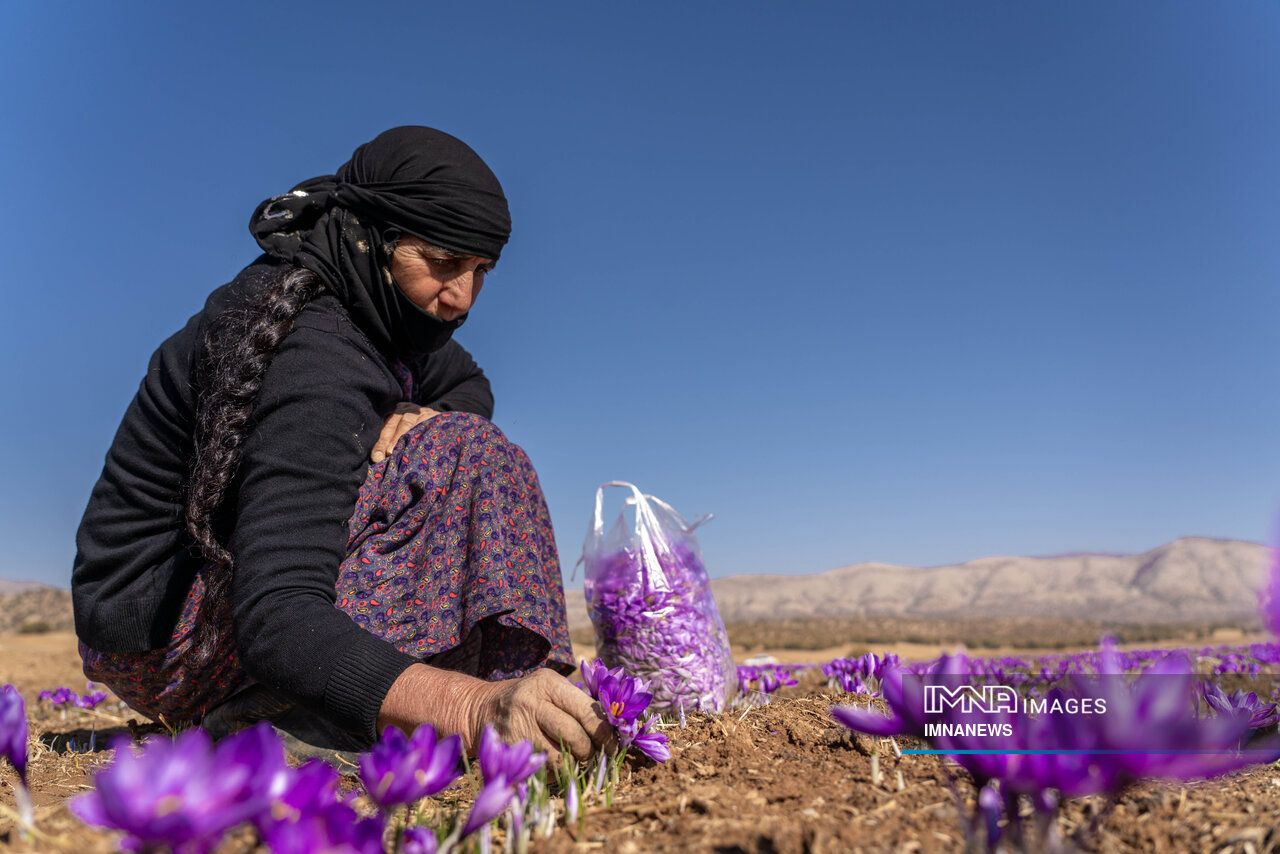
Iran (IMNA) - In Lorestan, sunrise is no longer marked only by the bleating of goats or the hum of shepherds returning from pasture. Now, it’s also heralded by the gentle scraping of wooden baskets and the laughter of harvesters bent over low rows of blossoms. Their hands, deft and patient, pluck each flower’s three delicate stigmas — the threads of saffron — as if gathering scattered sparks of fire.
In the village squares, tea pots warm slowly as elders recount saffron’s history — a thread that stretches back centuries across Persia, carried in caravans and recipes, whispered in poetry and legend. To them, seeing it flourish in Lorestan feels like welcoming an old friend into a new home.
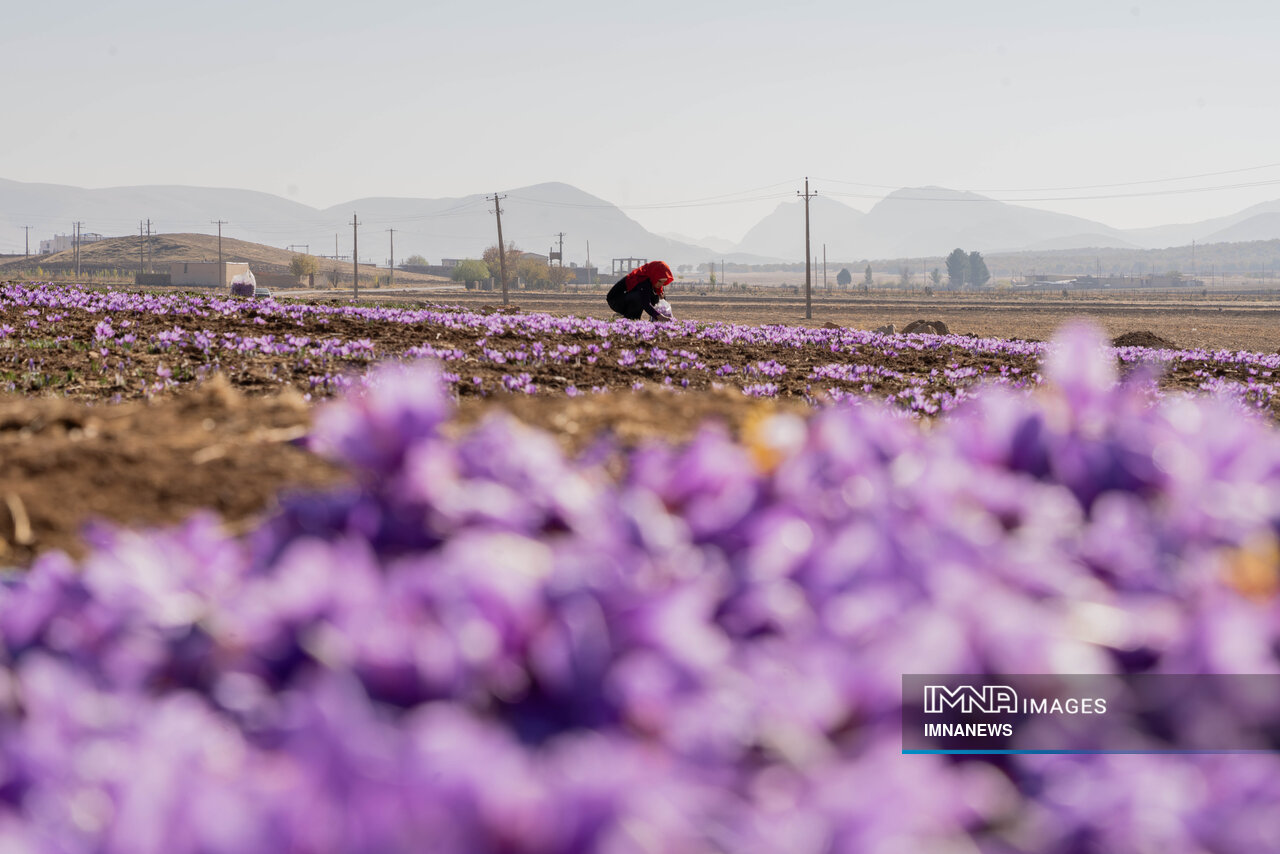
By mid-morning, cool mountain winds carry the scent of earth and petals across fields still tinged with morning mist. Women and men work side by side; faces shaded with scarves and caps, voices rising in friendly banter as they place the bright stigmas into shallow trays. Once dried under careful watch, these fragile threads will travel far beyond the province — to kitchens in Tehran, spice markets in Mashhad, and dining tables as distant as Barcelona and Tokyo.
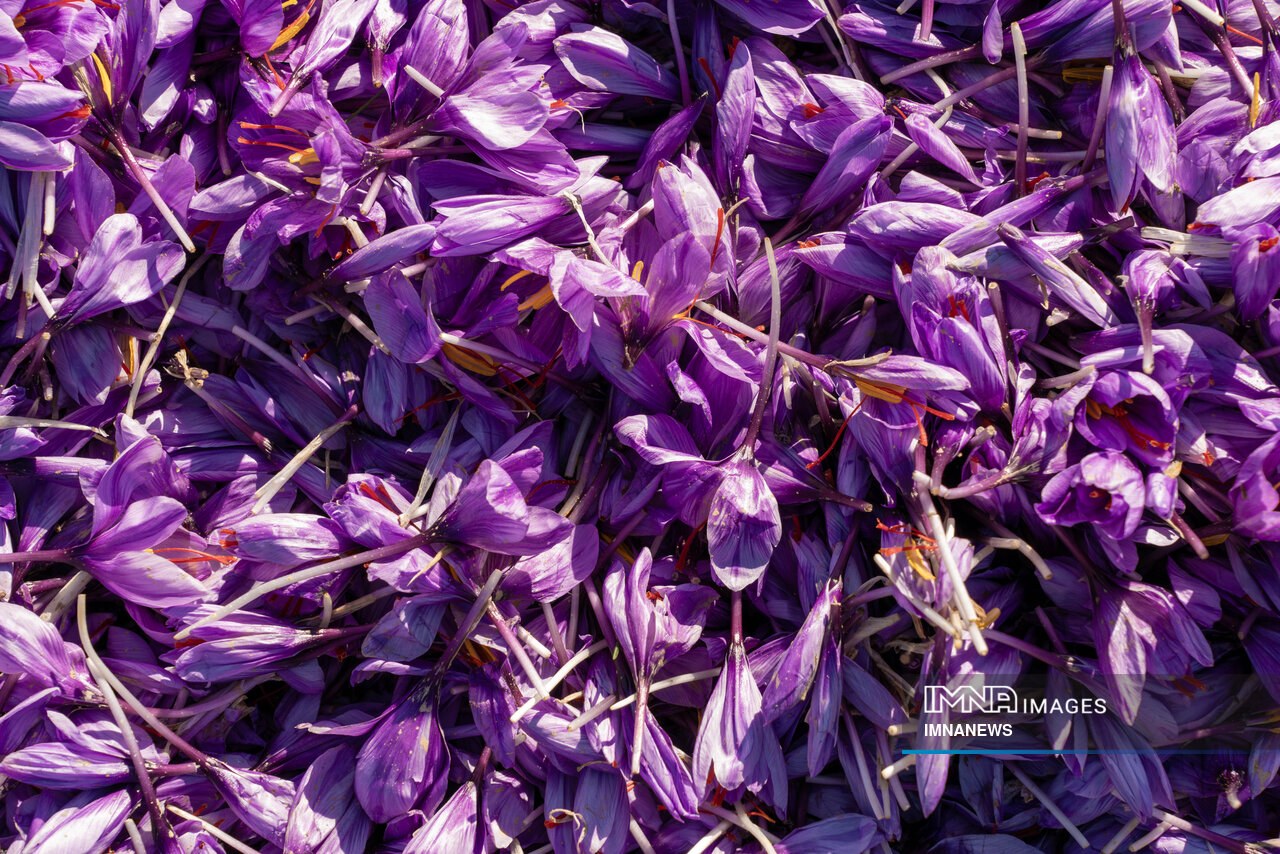
As the sun climbs high, the red-streaked baskets fill steadily. By late afternoon, the fields — once purple seas of crocus blooms — will be mostly harvested, the petals tenderly bundled for drying. And when night falls over the Zagros, lantern light will dance in homes across the province, guiding families who have spent their days gathering something precious — threads of color, culture, and possibility.







Your Comment