
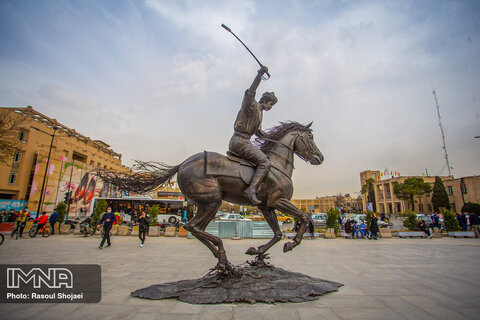
Iran (IMNA) - Hamid Ghanadnia, CEO of the Isfahan Municipality’s Beautification Organization, told IMNA that the project is designed to revive the city’s historical, cultural and social memories while introducing residents and visitors to prominent figures and enduring events that have shaped Isfahan’s identity.
The project will feature artistic installations and narratives dedicated to figures and subjects including Ayatollah Mostajabi, Abbas Beheshtian, Fazlollah Dehesh, renowned musician Jalaleddin Taj Esfahani, photographer Ernst Hoeltzer, Jahangir Khan Qashqai, Polish children hosted in Isfahan during World War II, the traditional washing of qalamkar textiles, and gaz, one of the city’s best-known souvenirs.
According to Ghanadnia, the story of Abbas Beheshtian — remembered for standing against tanks to prevent them from reaching Si-o-se-pol Bridge — will be presented along Chaharbagh Bala, near the Pol Hotel and beside the smart bicycle parking facility.
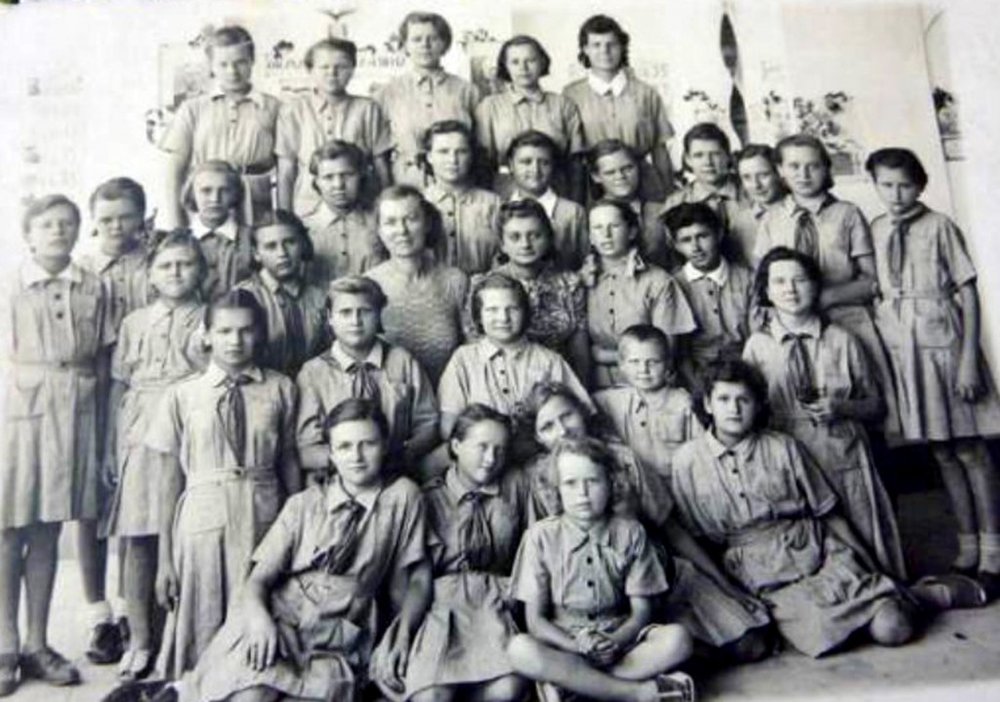
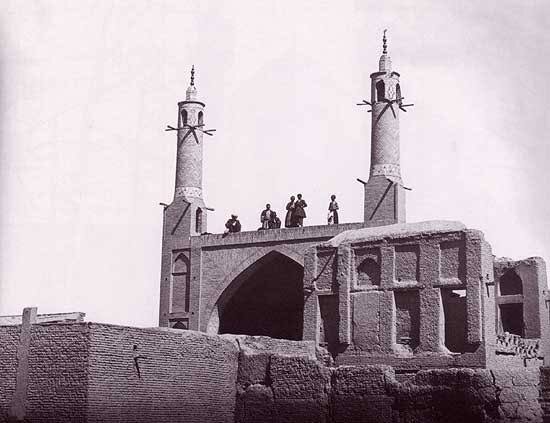
A separate installation commemorating Isfahan’s hosting of Polish children during World War II will be located on Hakim Nezami Street, in Sangtarash-ha Alley and opposite the former French School. Another installation will honor Ernst Hoeltzer, the renowned photographer of Isfahan, at Atashgah Street near the Menar Jonban, as well as on Hakim Nezami Street at the corner of Shahid Qandi (Mehrdad) Street, next to the wall of the Art University’s Marta Building.
Ghanadnia said the project will also recount the story of Jahangir Khan Qashqai, including his encounter with an elderly Isfahani man, the repair of a musical instrument and his subsequent decision to pursue religious studies. The installation will be placed on the central pedestrian promenade of Chaharbagh Khaju, opposite Sadr Seminary.
The story of Fazlollah Dehesh and the installation of the first electric lamp at Chehel Sotoun Palace will be presented at the entrance forecourt of the second gate of the historic complex on Sepah Street.
Other elements of the project include an installation dedicated to Ayatollah Mostajabi, highlighting his role in pioneering the construction of the Shrine of Hazrat Zaynab (S) and the participation of local residents in Qods Square, historically known as Touqchi.
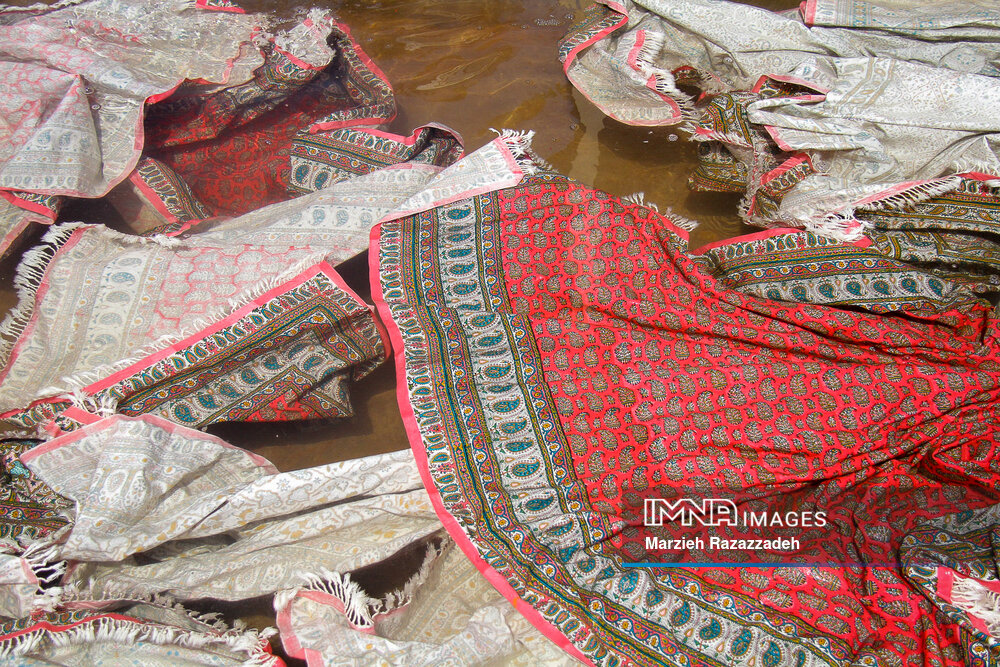
The project will also commemorate Taj Esfahani at the central pedestrian promenade of Chaharbagh Khaju opposite Sadr Seminary and on Azar Street. A public symbol representing Gaz, a signature Isfahan confection and souvenir, will be installed along the Sepah pedestrian promenade, while an artistic depiction of the traditional washing of qalamkar textiles will be created in Saadi Park, behind the Islamic Republic of Iran Broadcasting building.
Ghanadnia added that a bust of Martyr Hossein Kharrazi is also planned for Shahid Dastjerdi Expressway as part of the project. The installation is intended to reflect Isfahan’s enduring identity of sacrifice, resilience and resistance within the city’s contemporary urban spaces.
Your Comment