

Iran (IMNA) - Isfahan, a city renowned for its exquisite Persian architecture and rich history, stands as a testament to Iran's cultural legacy. Its historical sites, including magnificent mosques, palaces, and bridges, are not merely tourist attractions; they are invaluable treasures that narrate centuries of human civilization, art, and innovation. The recent damages sustained by over 21 of these historical landmarks due to the attacks by U.S and Israel are a deeply concerning development.
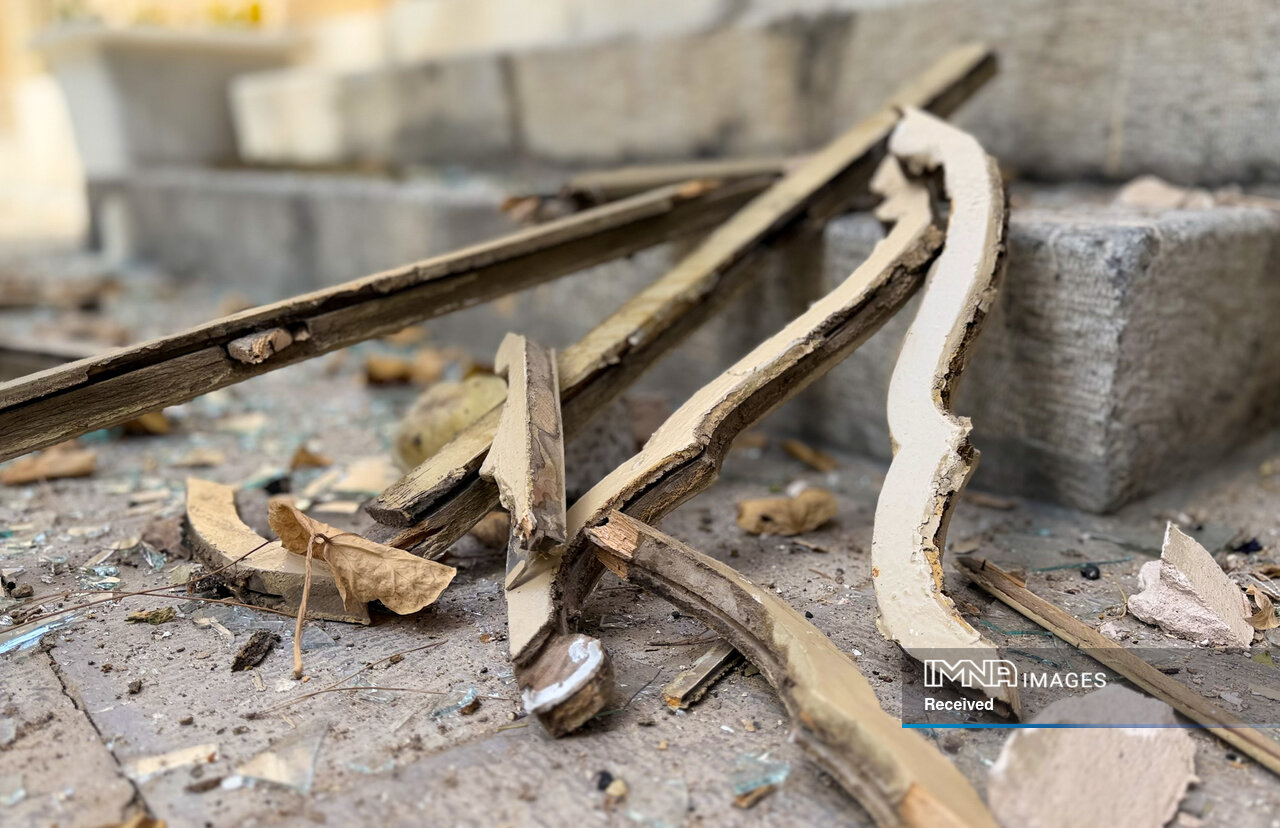
The estimated loss of $500 million underscores the tangible economic and cultural impact of such destruction. However, the true value of these sites transcends monetary figures. They are irreplaceable elements of global heritage, offering profound insights into the past and inspiring future generations.
In times of conflict, the vulnerability of such sites becomes critically apparent. It is imperative that international bodies like UNESCO take a more robust stance in safeguarding these irreplaceable cultural assets. UNESCO's involvement can include advocating for stricter adherence to international conventions on the protection of cultural property during armed conflicts, facilitating the assessment and documentation of damages, and mobilizing resources for restoration efforts.
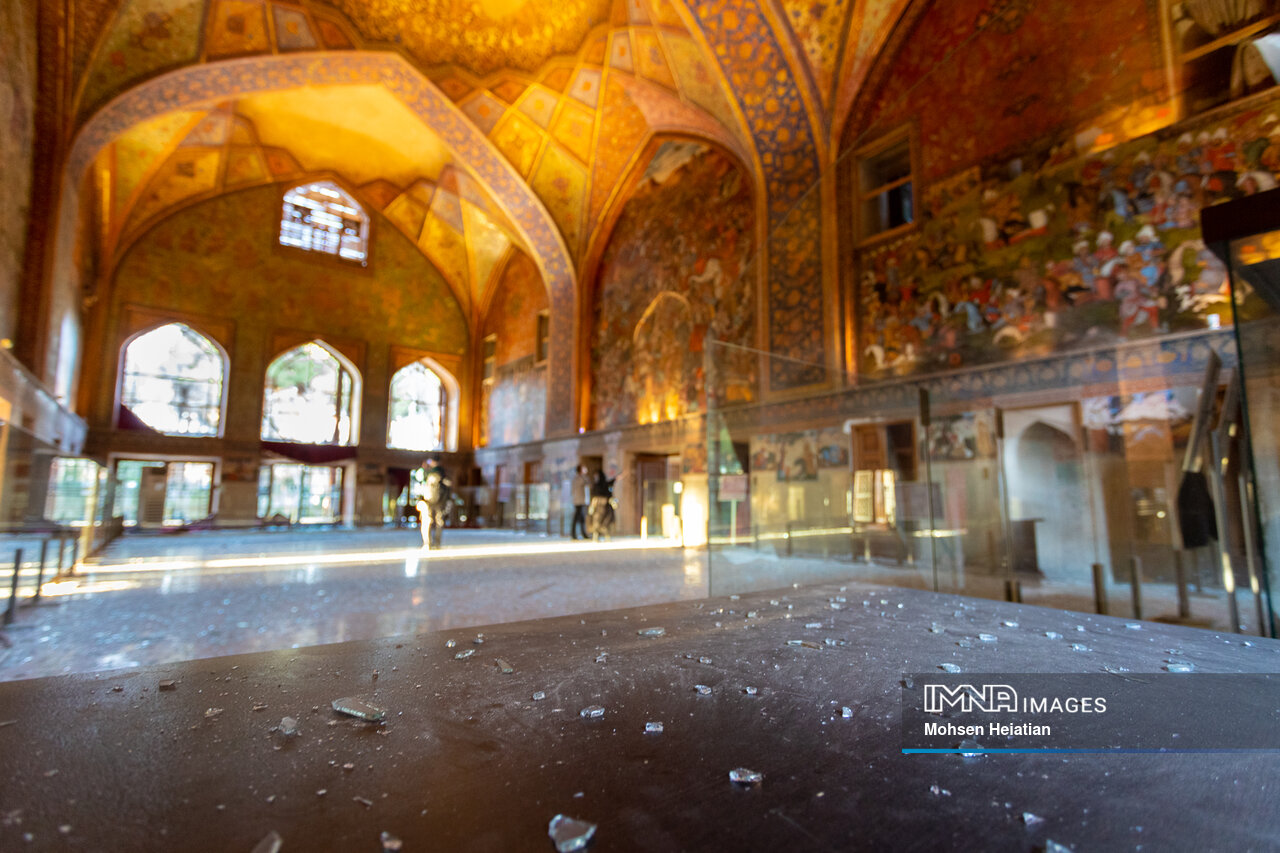
Protecting Isfahan's historical sites, and indeed all cultural heritage worldwide, is a shared responsibility. It requires a concerted effort from local authorities, national governments, and the international community to ensure that these windows to our past are preserved for the future.
Your Comment