

Iran (IMNA) - Alterations in circadian rhythm, meal timing, hydration status, and activity patterns require careful metabolic adjustment. From a medical standpoint, appropriate nutritional planning—particularly at the pre-dawn meal (suhoor)—is essential to preserve metabolic stability, maintain cognitive and physical performance, and prevent avoidable complications such as hypoglycemia, dehydration, and gastrointestinal distress.
Fatemeh Shirani, MSc, RD, Clinical Nutritionist and Diet Therapy Specialist, emphasizes that suhoor is a critical protective meal and should never be omitted. She notes that individuals who forgo suhoor in favor of additional sleep frequently experience early-day fatigue, headaches, impaired concentration, and irritability due to suboptimal glucose availability. Moreover, skipping this meal often leads to compensatory overeating at iftar, increasing the likelihood of dyspepsia, postprandial lethargy, and unwanted weight gain. From a metabolic perspective, suhoor provides the final opportunity to establish glycemic stability before a prolonged fasting interval.
Macronutrient Composition
Optimal suhoor composition requires a balanced macronutrient profile. Complex carbohydrates should form the foundation of the meal, as they provide gradual glucose release and reduce the risk of reactive hypoglycemia. Whole-grain breads, minimally processed grains, and moderate portions of rice are preferable to refined carbohydrates and simple sugars, which may provoke rapid glycemic fluctuations and subsequent energy decline. Sustained glucose availability is particularly important for individuals engaged in cognitively demanding or physically intensive activities.
Adequate protein intake is equally essential. Shirani recommends incorporating eggs, dairy products, legumes, or moderate portions of lean meat to enhance satiety, support neuromuscular function, and reduce muscle catabolism during fasting hours. Protein contributes to prolonged gastric emptying and improved energy stability, thereby minimizing mid-day weakness. Balanced combinations—such as whole-grain bread with cheese and walnuts—provide complementary macronutrients and enhance overall nutritional adequacy.
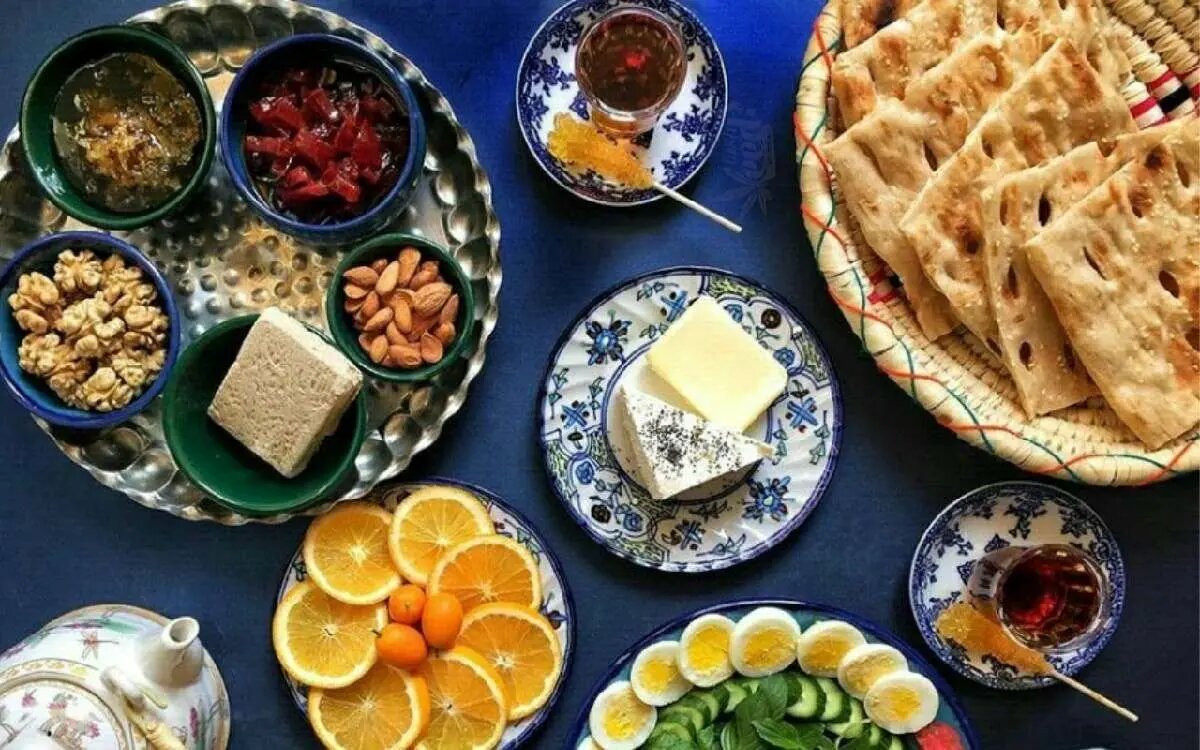
Healthy fats, when consumed in moderation, further support sustained energy release. Unsaturated fats derived from walnuts, almonds, or natural nut butters provide caloric density and prolong satiety while contributing to cardiovascular health. However, portion control remains critical due to their high energy content.
Dr. Behnam Yousefian, MD, Physician and Specialist in Traditional Persian Medicine, underscores the importance of moderation and digestive balance during suhoor. He explains that meals should be neither excessively light nor overly heavy. Inadequate intake predisposes individuals to early fatigue and reduced functional capacity, whereas excessive intake may result in gastric heaviness, dyspepsia, and increased thirst. He recommends whole-grain wheat bread for its sustained energy properties and suggests that combining grains with legumes such as lentils or mung beans can enhance nutritional value and support endurance throughout the fasting day. From a traditional perspective, soaked and peeled almonds may improve digestibility while providing valuable nutrients.
Hydration and Thirst Management
Hydration management is another central concern. Both experts caution against the consumption of highly salted, spicy, or fried foods at suhoor, as these increase osmotic load and exacerbate daytime thirst. Incorporating water-rich vegetables such as lettuce and cucumber may assist in maintaining hydration. Fluids should be consumed gradually between iftar and suhoor rather than ingested in large quantities at once, as steady intake better supports fluid balance.
With respect to sugars, moderate inclusion of natural sources such as dates, raisins, or small amounts of honey may be appropriate. These provide carbohydrates alongside micronutrients; however, excessive consumption of refined sweets should be avoided due to their association with rapid glycemic fluctuations and increased hunger later in the day.
In clinical terms, successful fasting during Ramadan depends largely on balance, nutrient density, and moderation. A thoughtfully composed suhoor—containing complex carbohydrates, adequate protein, moderate healthy fats, and appropriate hydration—serves as a preventive strategy that supports metabolic homeostasis, cognitive clarity, gastrointestinal comfort, and overall well-being. When structured appropriately, fasting can be undertaken safely and may even encourage improved dietary discipline and long-term health awareness.
Your Comment