

Iran (IMNA) - Founded around 3200 BCE and thriving for over a millennium before its gradual abandonment circa 1800 BCE, Shahr-e Sukhteh stands as one of eastern Iran’s earliest complex societies. Its strategic position on long-distance trade routes linked Mesopotamia with Central Asia, facilitating the exchange of goods, technologies, and artistic ideas. The city hosted specialized workshops that transformed raw Afghan lapis lazuli into finished luxury items, highlighting its central role in a vast Bronze Age trade network.
Archaeological excavations reveal pioneering urban planning: the city was deliberately divided into distinct quarters for administration, industry, residence, and burial. Monumental administrative or religious structures, residential courtyard houses, and specialized industrial zones for lapidary and flint tool production illustrate a highly organized society with nuanced economic and social structures. The city’s cemetery, estimated to contain 20,000 to 37,000 graves, provides unique insights into social hierarchy, health, and belief systems, including advanced medical knowledge such as early cranial surgery.
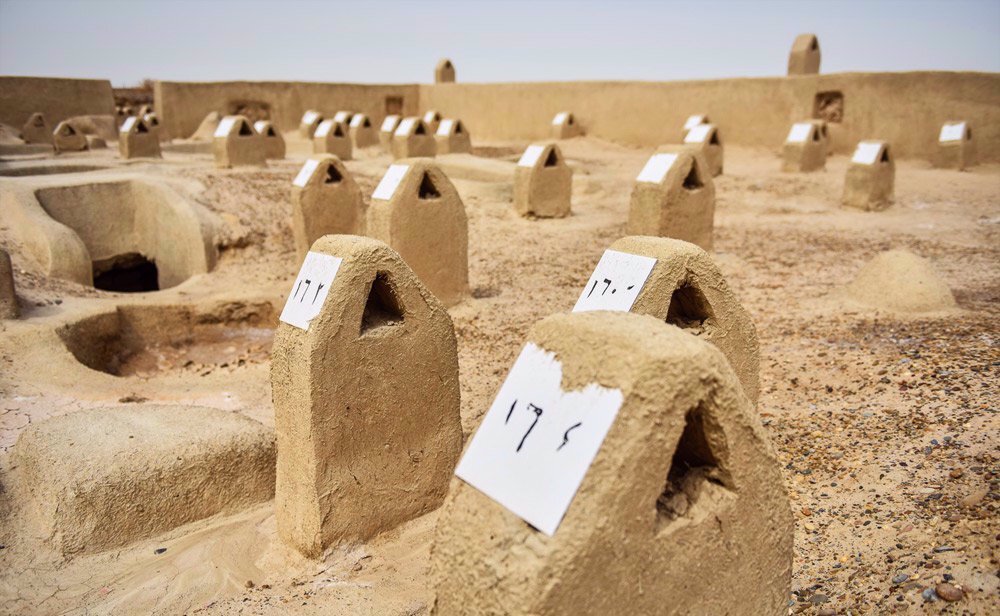
Among Shahr-e Sukhteh’s most remarkable discoveries is the world’s oldest known prosthetic eye, found in the burial of a woman dating to 2900–2800 BCE. Crafted from lightweight organic material and adorned with delicate gold threads, the artifact exemplifies early medical innovation and artistic sophistication. Additional finds, including finely painted pottery, clay figurines, and evidence of metallurgical and lapidary expertise, underscore the city’s role as both an artistic and industrial hub.
Shahr-e Sukhteh’s interconnectedness extended far beyond Iran. Semi-finished lapis lazuli artifacts matching items found in Mesopotamia’s Royal Cemetery of Ur confirm its function as a processing and distribution center for Sumerian elites. Proto-Elamite tablets, Central Asian-style pottery, and other foreign materials illustrate a city deeply embedded in Bronze Age cultural and economic networks.
The city’s decline was gradual, likely influenced by environmental changes such as shifts in the Helmand River’s course and broader climatic fluctuations. Archaeological evidence shows progressive depopulation and adaptation, culminating in a dispersed population moving toward smaller, sustainable settlements.
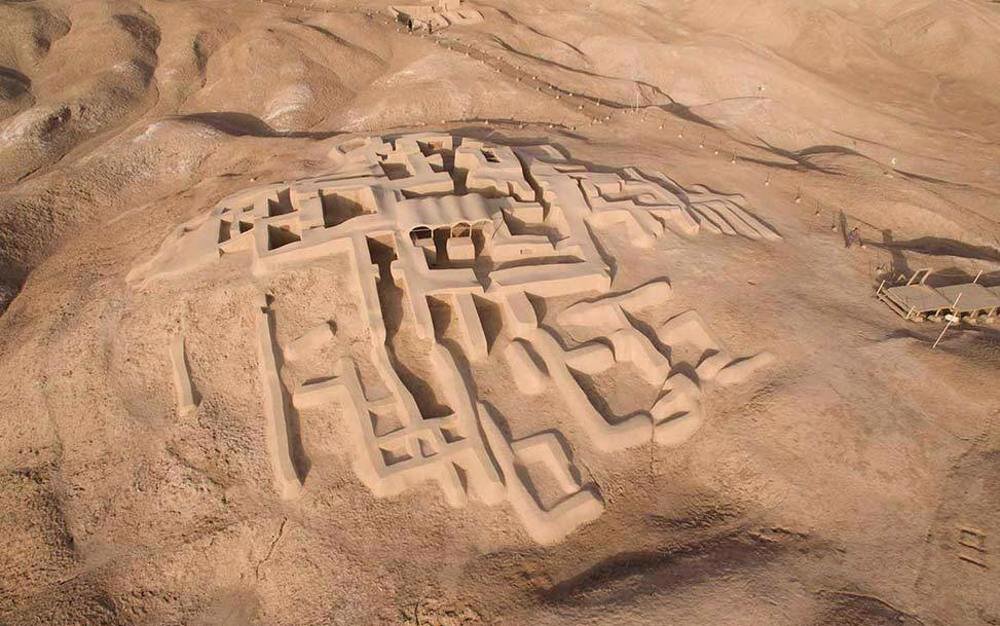
Today, Shahr-e Sukhteh is recognized as a UNESCO World Heritage site, offering an exceptional window into early urbanization, industrial specialization, and intercultural exchange. Its preserved layout, artistic achievements, and technological innovations challenge traditional narratives of civilization’s origins and underscore the enduring impact of human ingenuity across five millennia.
Shahr-e Sukhteh is not merely a relic of the past; it is a testament to the sophisticated, interconnected societies that shaped the early Bronze Age world and a vivid reminder of humanity’s capacity to innovate, trade, and create across vast landscapes.
Your Comment