
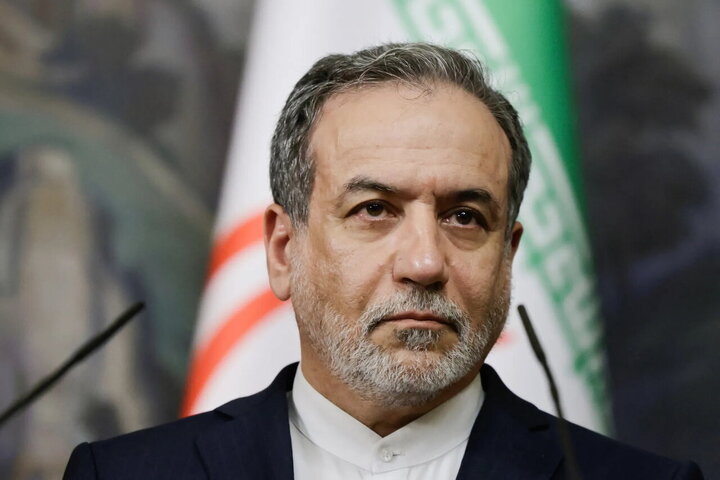
Iran (IMNA) - Speaking at a press conference on Saturday, Araghchi addressed questions about the outcome of Friday’s indirect nuclear talks between Iran and the United States held in Muscat, Oman. He said Iran will decide on whether to continue the negotiations after assessing the seriousness of the US side, adding that any continuation would be limited strictly to nuclear-related issues.
Araghchi noted that the time and venue of a potential next round would be determined in consultation with Oman’s foreign minister, adding that the location could change, as it did previously.
Reiterating Iran’s position, he underlined that uranium enrichment in Iran is and will remain solely for peaceful purposes. “We have no problem building trust. But we would not accept zero enrichment,” he said.
The foreign minister said the only similarity between the latest talks and earlier rounds was their indirect format, their location in Muscat, and Omani mediation. “In other respects, there are fundamental differences,” he said, adding that Iran has drawn lessons from past conflicts and negotiations and is now negotiating with “eyes open” and full awareness of past developments.
He described the latest round as largely a test of the other side’s trustworthiness, noting that while there are signs of seriousness, there are also signals to the contrary. “All of these signals will be assessed together,” he said, adding that negotiations would continue only if genuine seriousness is confirmed.
Araghchi said there was no direct meeting with the US delegation during the talks, apart from a brief encounter limited to a handshake and basic diplomatic formalities, noting that similar situations had occurred in previous rounds of indirect negotiations.
Emphasizing the need for fairness in reaching an agreement, he said indirect negotiations are a common and accepted practice in international relations and do not obstruct a deal. “What paves the way to an agreement is avoiding excessive demands and moving toward a respectful understanding based on mutual interests,” he said.
He added that while European countries played a role in past negotiations, regional states are now actively involved, describing their efforts as positive and respectful. Araghchi said regional countries carried out seven rounds of consultations and contacts with President Masoud Pezeshkian and held multiple discussions with him to encourage the resumption of talks.
He said regional initiatives could help strengthen the sustainability of any potential agreement, even if they cannot fully guarantee it. Referring to his recent visit to Doha, Araghchi said consultations with Qatar’s foreign minister were constructive and would continue, alongside coordination with Russia and China, both of which remain informed about the talks.
Commenting on reports about the presence of the US Central Command (CENTCOM) commander during the talks, Araghchi said missile capabilities and regional issues are not, and have never been, part of the negotiation agenda. “The talks are solely about the nuclear issue and will continue in the same framework,” he stressed.
He added that the CENTCOM commander’s presence did not affect the substance of the negotiations, noting that Iran was told the visit was related to an inspection of a US naval vessel. A request based on diplomatic courtesy was rejected by Iran, he said, emphasizing that the presence of a military figure in a diplomatic process is meaningless.
Responding to questions about US demands in previous rounds, Araghchi said the main condition raised was zero enrichment, which Iran categorically rejected. He said Iran reiterated during Friday’s talks that enrichment must continue.
“Enrichment is a scientific achievement reached by our scientists. The blood of our scientists has been shed for it, and we fought a 12-day war over it,” Araghchi said. “It has become a source of national pride and is non-negotiable. We will not relinquish the Iranian people’s right to enrichment.”
Your Comment