

Iran (IMNA) - The 2026 FIFA World Cup is stirring controversy even before the first whistle, as the Iran-Egypt group-stage match in Seattle faces potential relocation due to planned LGBTQ+ Pride events at the stadium. According to local authorities in the US state of Washington, the venue is set to host a Pride Parade and other festivities supporting LGBTQ+ communities—an arrangement that has drawn strong objections from both nations.
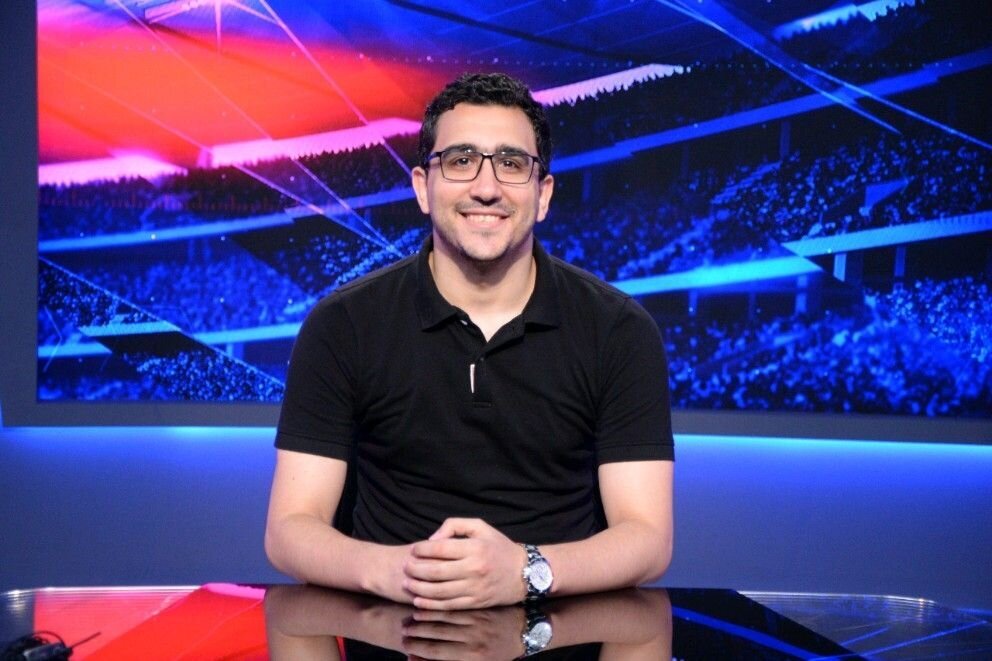
Egyptian sports journalist Sayed Nabawi, writing for Kooora, condemned the planned events, saying they contradict both Islamic teachings and the cultural traditions of Egypt and Iran. “From my perspective, this is unacceptable,” Nabawi told IMNA. “The Egyptian Football Association has formally issued a statement and sent a letter to FIFA rejecting these events, as they are incompatible with the values of our countries.” He added that moving the match to another stadium, away from such events, would be the most appropriate solution—a decision expected from FIFA in the coming days.
The backlash from Egypt has been forceful. The Egyptian Football Association has explicitly stated that it will not allow the country’s name or its players to be associated with any Pride-related celebrations. Officials even warned that if such events were held before the Iran-Egypt match, the team could express its protest on the pitch. Iranian officials have expressed a similar position. Mehdi Taj, president of the Iranian Football Federation, recently stated: “Both we and Egypt will raise objections within FIFA regarding support for a group that we consider unreasonable.”
Despite the outcry, FIFA has not yet issued an official stance on the planned Pride events at the Seattle stadium. Evidence suggests that local organising committees, operating under the oversight of municipal and federal authorities, have granted approvals for the display of LGBTQ+ symbols within the stadium. This approach, perceived as a sharp contrast to FIFA’s previous handling of the World Cup in Qatar—where cultural and religious values were carefully considered, including restrictions on Pride symbols—has raised concerns about a potential double standard.
The controversy highlights a collision between global sporting events and deeply held cultural and religious values. Both Iran and Egypt view homosexuality as incompatible with their social and religious frameworks, and the timing of their match—coinciding with Pride events in the United States—has amplified the tension. Officials from both countries have stressed that such actions clash with their national identity and values, creating widespread public concern and negative media coverage in both nations.
As discussions continue, expectations grow that FIFA may be compelled to move the Iran-Egypt match to a different stadium to respect cultural sensitivities, balancing its commitment to inclusivity with the concerns of participating nations.
Sayed Nabawi concluded: “In my view, relocating the match is the best solution. It would avoid placing players and nations in a position where their cultural and religious values are compromised. We expect FIFA to make a decision in the coming days.”
The incident underscores the ongoing challenge for international sporting bodies: navigating global inclusivity initiatives while respecting the diverse cultural and religious landscapes of participating countries. With the World Cup spotlight on Seattle, the resolution—or lack thereof—will be closely watched by fans, media, and officials worldwide.
Your Comment