

Iran (IMNA) - These days, stiff language and old-school bureaucracy just don’t fly in international relations. Being a diplomat now means way more than passing along official messages. You’ve got to bring a piece of your country’s heart—its culture, its language, even its vibe—out into the world. If you’re going to matter as an ambassador, you can’t just hide behind protocol. You’ve got to get out there where people actually live and connect. That’s what makes the South Korean ambassador to Iran different—he goes for subtle gestures, not just dry speeches. He embodies a diplomacy that speaks with soft cultural signs instead of tough official statements.
A good diplomat isn’t just passing along messages from back home. He is a bridge, not just a messenger. He learns the language, listens to local music, gets into the traditions, and maybe even joins a painting or singing class. Why bother? Because he knows that real dialogue between countries only sticks if there’s a genuine connection between their people. Reciting Persian poetry among the nobles, singing well-loved songs, picking out meaningful cultural symbols—these aren’t just nice extras. For a skilled diplomat, they’re how you build trust, close the distance, and shed that cold, distant image.
The Korean ambassador in Iran proves that “diplomatic representation” isn’t just about paperwork and handshakes. He lives alongside the people. You’ll spot him not only at formal events, but out in the city, soaking up everyday life. A modern diplomat isn’t just a polished speaker—he dives into local culture headfirst. Culture really is the second language of diplomacy, and sometimes, it’s got more power than politics. A smile, a greeting in Farsi, a shared song, respect for centuries-old poetry, knowing what Nowruz or Yalda means, even enjoying the food—this is how an ambassador becomes more than just a nameplate on an office door. He becomes a trusted friend, someone locals can talk to and trust, someone who actually gets it.
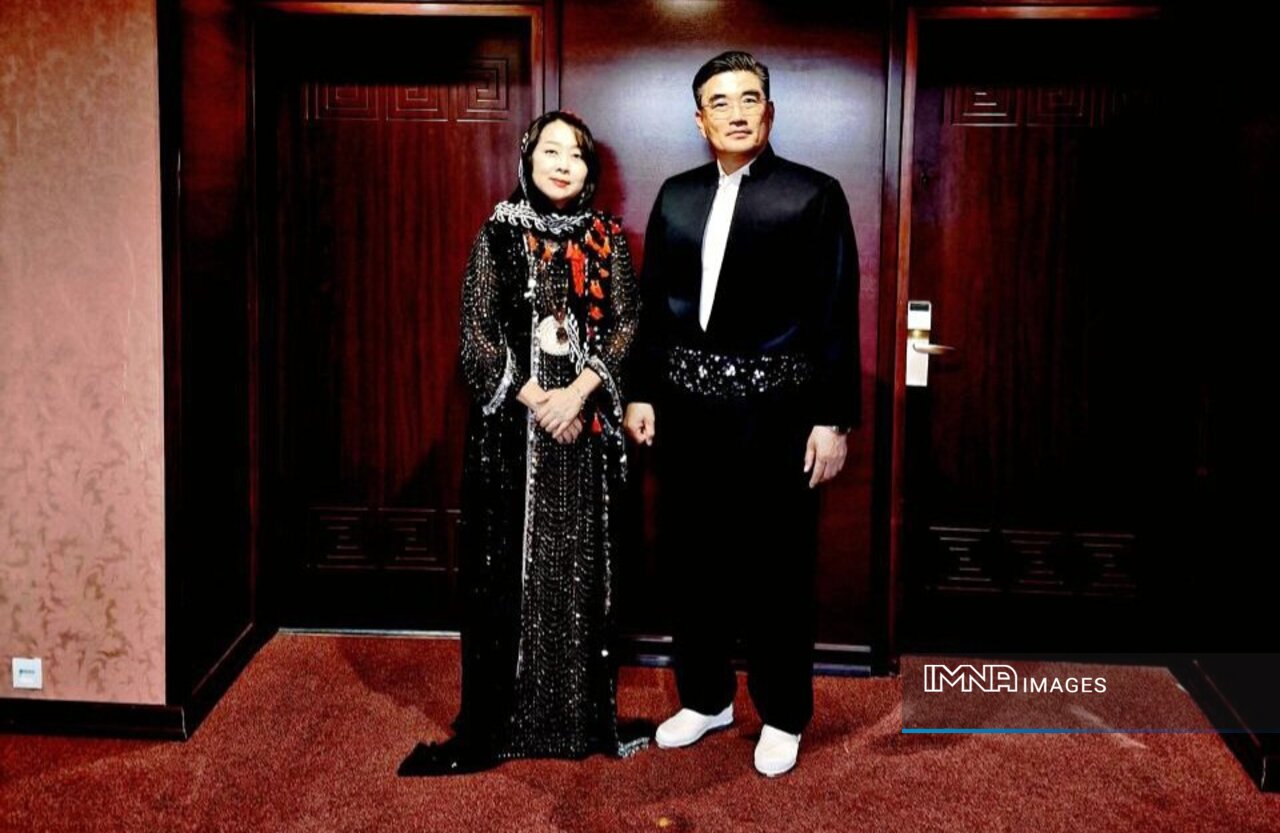
Soft power is more than checking off “cultural activities” on a list. It’s about shaping influence without force. That’s what Kim Jun-pyo brings to Iran. When he sings a Persian song, it’s not just being polite—it’s about reaching people in a way official talk never will. Once a diplomat figures out that culture is the real passport, the whole job shifts. Negotiation is just one part. The other, maybe more important part, is that quiet cultural conversation—how you dress, how you speak, the music you bring, the respect you show. That’s when diplomacy actually means something.
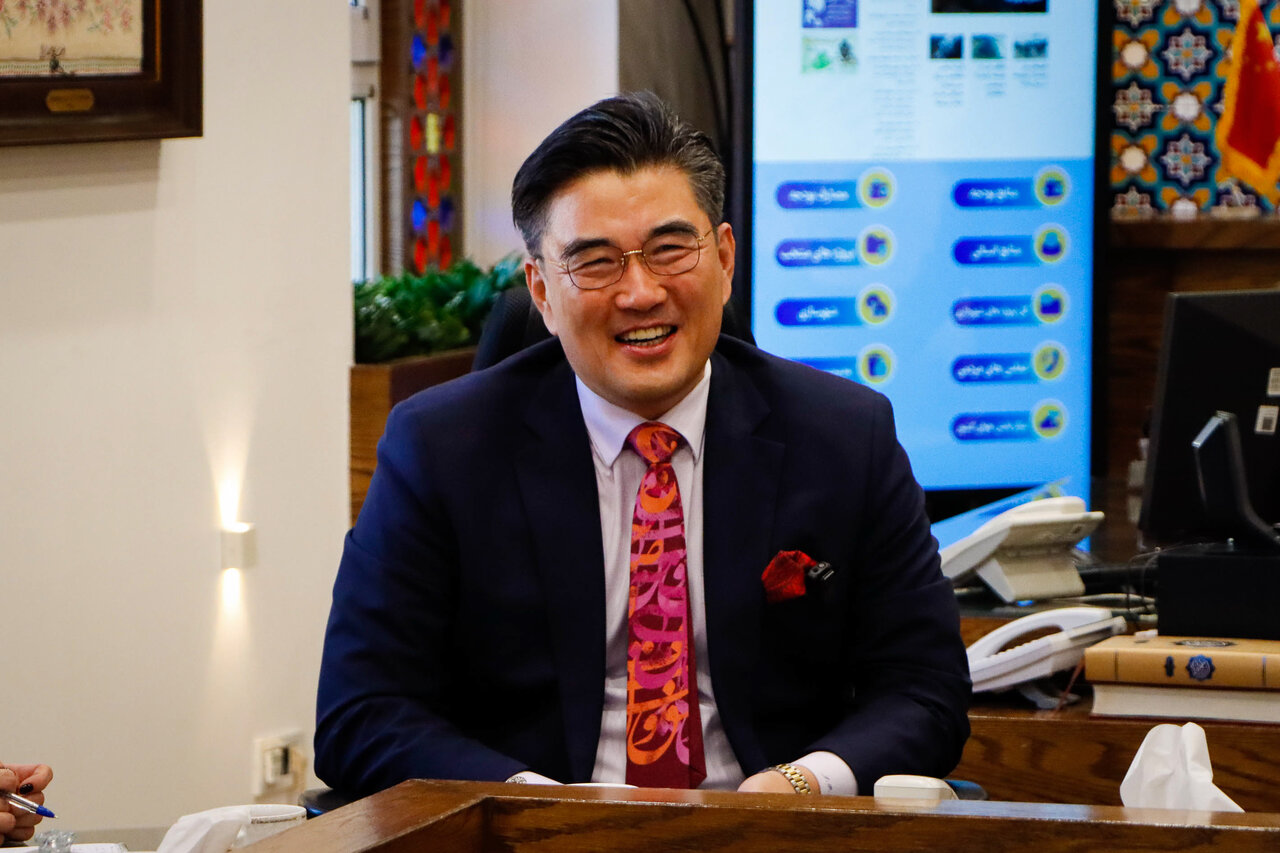
When he walks into official or academic meetings wearing a tie covered with Persian verses in Nastaliq script, it’s not just a fashion choice or some routine nod to diplomacy. In international relations, this is what people call “soft signage”—a way to cut through stiff formality, spark a little warmth, and send a clear message that says, “I respect your culture.”
Right now, the world needs diplomats who know that a host country isn’t just a spot on a map—it’s a living, breathing society with history and soul. Iran, for example, speaks through ritual arts, calligraphy, classical music, and literature. Its civilization is tied together by color, by poetic rhythms, and by Nastaliq script. Any diplomat who understands this “language” finds a way into the deeper, softer layers of Iranian influence. These layers have always been there, quietly shaping things behind the scenes, alive even when politics overshadows everything else.
A modern diplomat can’t just act as a state’s mouthpiece. He needs to be the storyteller for a nation. No story, no impact. If he doesn’t speak the language of the culture, he won’t connect. Ignore the shared symbols, and the door stays closed. The Korean ambassador is well aware of such an intangible rule; he brings more than just official documents. He brings respect.
Look anywhere in the world, and you’ll see that cultural bonds last longer than any official agreement. Culture finds a voice even when politics can’t speak or refuses to. The diplomat who accepts this isn’t just an official anymore—he becomes a living bridge, someone who creates meaning, not just passes along messages. The future of international relations isn’t built on statements, but on the closeness of cultures.

Your Comment