
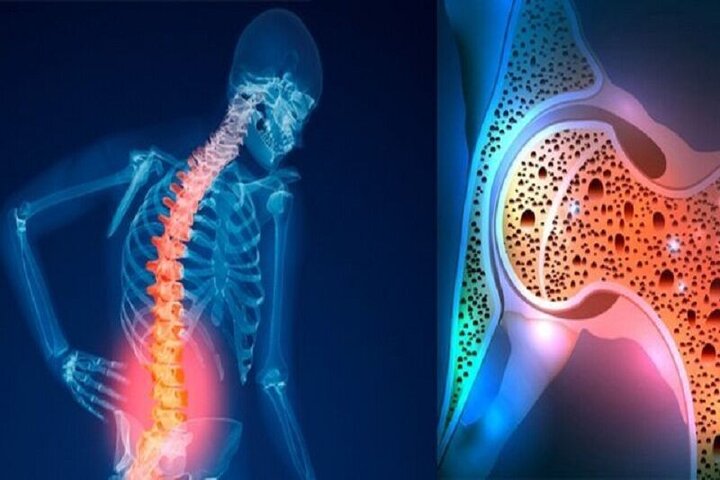
Iran (IMNA) - Dr. Esmaeili emphasized that osteoporosis develops insidiously, with no visible symptoms until bone fractures occur — sometimes even after minor trauma or a simple sneeze. “Many individuals only discover they have significant bone density loss after experiencing a fragility fracture,” she explained.
Dr. Esmaeili warned that osteoporotic fractures, particularly of the hip and spine, impose not only physical and psychological burdens but also substantial economic costs on healthcare systems and families. “Such fractures can lead to complex surgeries, prolonged hospitalization, impaired mobility, and depression, especially among older adults,” she noted.
The Cornerstone of Prevention: Nutrition and Lifestyle
Nutrition plays a foundational role in bone health. According to Dr. Esmaeili, the body’s calcium requirement varies with age — approximately 1,000 mg per day for adults under 50, and 1,200 mg for those aged 50–70. “Fortunately, this amount can be easily obtained from a balanced diet,” she said.
A daily intake of one glass of milk, a small portion of cheese, and a bowl of yogurt can fulfill much of the calcium requirement. Leafy greens and root vegetables such as kale, cauliflower, turnip, beetroot, and carrots are also excellent calcium sources.
The Critical Role of Vitamin D
Dr. Esmaeili stressed that adequate vitamin D levels are crucial for calcium absorption. Despite abundant sunlight, vitamin D deficiency remains widespread due to indoor lifestyles, excessive sunscreen use, and limited physical activity. She advised that adults — particularly women and older individuals — should routinely check their vitamin D levels and take supplements if necessary.

Exercise as a Natural Bone Stimulator
Weight-bearing exercises — including walking, jogging, and jumping rope — significantly strengthen bone tissue. Dr. Esmaeili recommended at least 40 minutes of physical activity, five days a week, for all age groups. “This guideline applies to everyone, but it is especially vital for children and adolescents,” she added, “as the foundation for peak bone mass is established during early life.”
Childhood and Adolescence: The Bone-Building Years
Dr. Esmaeili highlighted that maximum bone density develops in the early years of life, making childhood and adolescence critical for lifelong skeletal strength. Sedentary lifestyles, dominated by screen time and lack of outdoor play, are increasingly placing younger generations at risk for obesity, diabetes, and osteoporosis later in life.
Addressing popular beliefs, Dr. Esmaeili clarified that consuming “kaleh pacheh” (a traditional Iranian dish made from sheep’s head and trotters) does not prevent osteoporosis. “It’s a misconception,” she said. “Low-fat dairy products, contrary to common belief, actually contain more calcium than full-fat varieties. Therefore, individuals should choose low-fat options to maximize calcium intake while maintaining cardiovascular health.”
Dr. Esmaeili concluded by reiterating the importance of adopting lifelong preventive habits: a diet rich in calcium, sufficient vitamin D through sunlight or supplements, and regular physical activity. “Osteoporosis may progress silently, but its consequences are loud and lasting,” she said. “Preventing it requires awareness, not just treatment.”
imna.ir/x9R8W
Your Comment