

Iran (IMNA) - Turning to renewable energy sources for cities is not a choice, but a strategic necessity to ensure urban resilience and the general health of society. The reasons for such a transition are important in various respects. In terms of health and the environment, clean energy such as solar and wind reduce the emission of pollutants and greenhouse gases to zero, which directly results in a reduction in respiratory diseases and an improvement in the quality of life of citizens.
From both security and sustainability perspectives, the development of distributed energy generation within cities (e.g., through rooftop solar panels) increases the grid’s resilience to disruptions and crises and reduces the country’s reliance on one or two centralized sources of generation. Also, in a country struggling with a water crisis, saving vital water resources, which are consumed by traditional thermal power plants, is a major advantage in itself. To operationalize this major transformation in Iranian cities, it is essential to develop an operational plan focusing on comprehensive, technical, and financial policies.
Key Strategies for Renewable Cities in Iran
Realizing this transformation requires coordinated action on several fronts. First, urban policymaking and regulations must be reformed. Municipalities and relevant institutions should mandate the installation of solar systems to meet part of the energy needs when issuing construction permits for commercial and public buildings, and combine this requirement with discounts on municipal fees or tax incentives. At the same time, to facilitate the participation of citizens and small investors, creating a unified and simple system to minimize the bureaucracy of issuing renewable energy permits is a crucial step.

Iran's industrial cities, especially Isfahan and Tehran, have been recognized as the country's economic and industrial hubs in recent decades. Due to having these features, significant pressure has been placed on energy resources and the environment.
However, these cities have a high potential for moving towards sustainable development and the use of renewable energies. The intelligent use of new energy sources can pave the industrial path of these cities towards a resilient, low-carbon, and technological economy.
Isfahan goes solar
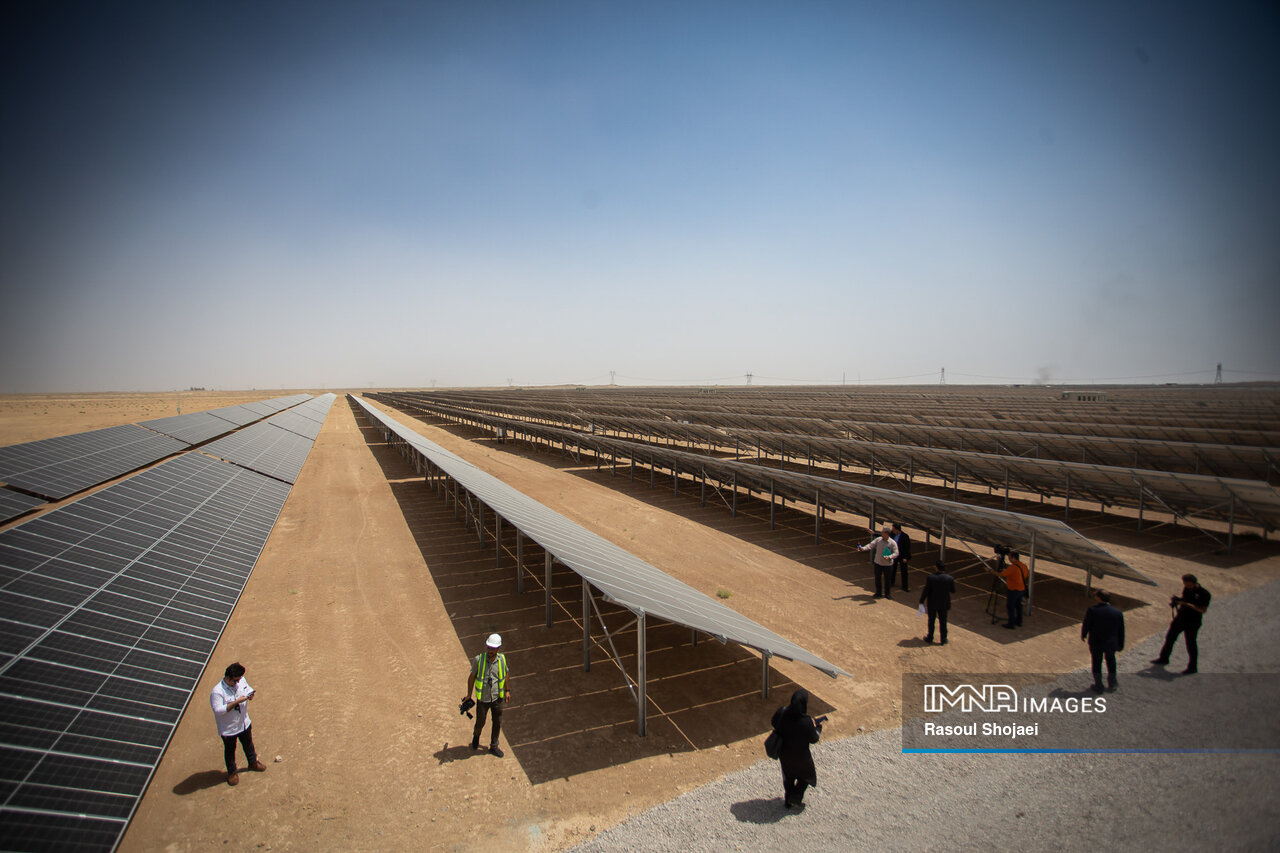
One of the most obvious opportunities in this regard is solar energy. Isfahan, with its high annual solar radiation and vast industrial area, has an ideal environment for the development of photovoltaic networks on the roofs of factories, parking lots, and even urban streets. Combining solar systems with energy storage batteries can ensure the stability of the industrial power grid and enable relative self-sufficiency of industries during peak hours. For example, industrial complexes can use microgrid systems to share the energy generated among different units and optimize the electricity consumption of the main grid.
As part of the effort to move forward the clean energy transition, a landmark memorandum of understanding has been signed between the Isfahan Provincial Government, the Department of Education, and a consortium of philanthropic organizations to equip more than 2,500 schools across the province with rooftop solar panels. The initiative not only aims to reduce electricity costs for public institutions but also seeks to transform schools into urban laboratories for renewable energy education, nurturing a generation familiar with sustainable energies.
The Isfahan Municipality has also announced its readiness to collaborate with citizens in installing solar panels on 2,000 residential rooftops. The program, structured around public and private participation, is designed to incentivize home-based energy generation and integrate distributed solar generation into the city’s power grid.
The province’s approach underscores a shift from centralized energy dependence toward a resilient, community-based renewable ecosystem, setting a precedent for other Iranian cities aiming to balance urban growth with environmental responsibility.
The momentum built in Isfahan’s clean energy initiatives reflects a broader national trend toward decentralized, renewable urban systems. Building on this emerging framework, other major industrial centers are now exploring region-specific solutions tailored to their environmental and geographic capacities.
Despite its high population and industrial density, Tehran can also provide a significant portion of its energy needs by utilizing wind energy on the outskirts of the city. Creating smart wind farms equipped with real-time energy storage and management technology can, in addition to generating electricity, enable combined use with solar energy and reduce grid disturbances.
Also, industries operating in these cities can benefit from the potential of bio energy and waste recycling. Agricultural and industrial waste, especially in the food and pharmaceutical industries, can be transformed into a significant energy source through bio gas and bio fuel production processes. This approach not only reduces fossil fuel consumption, but also creates a new and sustainable economic cycle while managing waste.
Moving towards clean transportation is also an integral part of this path. Integrating an electric transportation network, from buses to private cars and electric vehicle sharing systems, with renewable energy can reduce the polluting effects of industries and urban traffic. Tehran, with its extensive metro and rail infrastructure, has a high capacity to implement such smart solutions and can be an example for other industrial cities in the country.
Isfahan leader in EVs
As one of the leading cities in developing clean transportation and reducing air pollution, Isfahan has taken effective measures in the field of electrification of infrastructure. For example, the Isfahan Municipality has succeeded in introducing 180 electric taxis into the public transport system; an action that shows that this metropolis has begun its initial and practical steps towards a clean and energy-efficient fleet. This initiative includes 50 vehicles that have previously been activated and 130 vehicles that were recently unveiled and added to the taxi fleet.
The first electric vehicle charging station in central and southern Iran was also launched in the Soffeh Tourism Complex. After that, other stations were opened on Freiburg Street and Bozorgmehr Square in partnership with MAPNA. Currently, the number of vehicle charging stations in Isfahan has reached 29 and the simultaneous service capacity is 63 vehicles. The municipality's horizon for this year is to reach 50 stations and 100 charging capacities. This measure not only helps reduce pollution and develop clean transportation, but also provides different and better service conditions for taxi drivers and citizens. In addition, two private sector charging stations have been launched in the center and east of the city, which indicates the special focus of the Isfahan Municipality on developing electrical infrastructure, and this process will certainly continue at a faster pace this year.

In the field of urban design, the development of green buildings and smart cities using energy management technologies and low-energy architecture can play an important role in reducing energy loads and increasing the quality of life.
The use of smart lighting and ventilation, energy storage and heat recovery not only reduces energy consumption but also helps reduce carbon emissions. The important point is that the move towards urban sustainability requires the convergence of government policies, private investment and industrial innovation. Creating financial incentives for industries, facilitating permits, and supporting clean energy startups can accelerate the transition to a low-carbon and sustainable economy.
By intelligently combining solar, wind and bio energy, along with electric transportation and smart urban planning, Iranian mega cities can not only optimize their energy consumption but also become a model for the sustainability of Iran’s industrial cities; a model that simultaneously strengthens economic, technological and environmental development and enables industrial growth without harming the environment.

Your Comment