
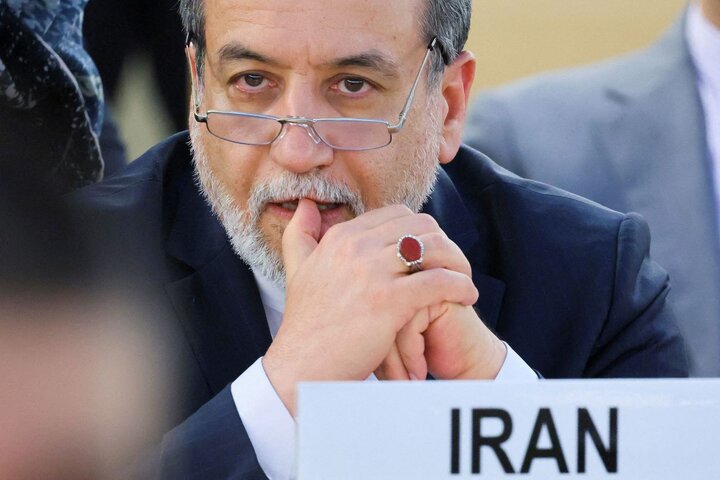
Iran (IMNA) - He made these remarks during a meeting in New York with his counterparts from the UK, France, Germany, and the European Union’s foreign policy chief Kaja Kallas, coinciding with the 80th United Nations General Assembly session.
Araghchi referred to the “criminal” strikes carried out by Tel Aviv and Washington from June 13 to 25, which not only targeted nuclear sites but also caused the deaths of numerous Iranian nuclear scientists, senior military commanders, and innocent civilians, including children. The meeting was part of ongoing talks between Iran and the European E3 states, seeking to address Western allegations concerning Iran’s peaceful nuclear energy program.
The foreign minister highlighted a recent framework agreement reached between Iran and the International Atomic Energy Agency (IAEA) as a demonstration of Iran’s goodwill and practical steps to dispel doubts about its nuclear program—doubts that, despite intrusive inspections, the IAEA has never verified. He explained that the agreement aims to help Iran fulfill its safeguards obligations amid the new challenges posed by the Israeli-US attacks, which have hampered the agency’s inspection capabilities.
Araghchi stressed the importance of reciprocal and responsible actions from the European parties in response to Iran’s positive cooperation. The meeting reviewed the progress of the past month’s talks, discussing proposals to continue diplomatic efforts despite the E3 triggering the so-called “snapback” mechanism in August to reimpose sanctions based on alleged concerns. Iran categorically rejects these allegations, citing the IAEA’s consistent failure to find any evidence against its nuclear program and warning that reinstating sanctions would jeopardize the agreement with the IAEA.
The talks concluded with all parties agreeing to continue consultations.
Your Comment