
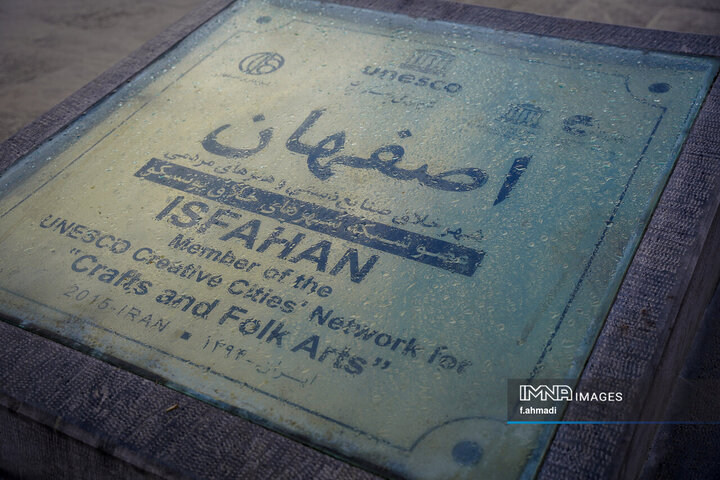
Iran (IMNA) - The city’s Safavid-era monuments are protected by strict conservation laws, even as metro expansions and new smart city projects pose challenges to the historic urban landscape.
Smart city initiatives in Isfahan improve traffic flow, civic services, and digital engagement, emphasizing local innovation, citizen participation, and economic sustainability. Positioned at the intersection of contemporary development and tradition, Isfahan leverages its rich cultural heritage alongside ambitious urban projects ranging from smart technologies to extensive metro lines and the restoration of ancient landmarks under UNESCO protection.
Known as the "Half of the World," Isfahan faces the 21st-century challenge of modernizing without sacrificing its ancient Islamic and Safavid-era grandeur. The city's skyline is increasingly marked by construction cranes and digital transformation initiatives, highlighting the delicate balance urban planners maintain between modernization and conservation. This tension is evident in every restored mosque, new metro route, and negotiation concerning UNESCO heritage sites.
With Iran’s urbanization rate surpassing 75 percent, Isfahan contends with infrastructural strains from population growth and tourism. As its metro system expands—aiming for 75 km by 2030—archaeological discoveries frequently compel engineers to reroute tunnels beneath the UNESCO-protected Naqsh-e Jahan Square. Simultaneously, smart city efforts, such as AI-driven traffic systems and solar-powered Wi-Fi plazas, contrast visually with the city's historic turquoise domes and intricate facades.
Dr. Parisa Vahdati, an urban historian at Isfahan University, cautions that new developments risk marring the cityscape but acknowledges that stagnation is unacceptable given the youth’s demands for jobs and connectivity. Rather than freezing the city in time, conservationists employ adaptive reuse: Safavid and Qajar-era structures like mansions and caravanserais are converted into hotels, while the Khaju Bridge’s historic tea houses now serve as artisan cooperatives selling local handicrafts—an approach UNESCO praises for making heritage economically viable.
Isfahan’s UNESCO-listed sites, including the Imam Mosque and Ali Qapu Palace, maintain a fragile balance under strict conservation rules that limit modifications within their buffer zones, complicating necessary upgrades like earthquake retrofitting and accessibility improvements. The city’s 2023 proposal to extend UNESCO protections across the entire Safavid urban fabric has sparked debate, as it would restrict thousands of residential properties from alteration.
City planner Amirhossein Nazemi observes that UNESCO designation is both a protector and a constraint, requiring innovative solutions such as using traditional lime mortar in metro stations to allow modern structures to "breathe" like historic ones. The "Isfahan 2035" master plan draws on the city’s history, mandating that new buildings in the historic core use local materials and follow Safavid architectural proportions, including height limits and courtyard-focused layouts. Even the upcoming metro Line 3 will feature tilework by master artisans from local art schools.
At dusk, the Si-o-se-pol Bridge’s restored stone arches are illuminated alongside LED-lit bike lanes, symbolizing Isfahan’s blend of tradition and modernity, where ancient hydraulic systems operate alongside solar-powered water sensors, reflecting a precarious yet hopeful equilibrium.
Smart city projects also address urban challenges like traffic congestion, air pollution, and service delivery—efforts accelerated by the COVID-19 pandemic. The "City with a Few Clicks" initiative marks a key shift from technology-centric models to integrated platforms that engage citizens while respecting cultural context. This second-generation smart city framework, launched 15 years ago, uses IoT sensors, AI for traffic management, and centralized data systems to provide 134 municipal services online, reducing the need for in-person visits.
By 2023, over 2 million residents benefited from the system, which has achieved a 30 percent reduction in traffic trips and improved access for underserved communities. Despite funding challenges and dependence on domestic innovations, local R&D remains a priority for Isfahan’s smart city leaders like Ali Rezaei. While projects like the "Isfahan Nama" website demonstrate progress, urban designers emphasize that technology alone cannot define a smart city; it requires active citizen involvement, economic vitality, and intelligent urban design to succeed.
This ongoing synergy between Isfahan’s illustrious history and forward-looking urban planning defines the city’s unique and dynamic future.
Your Comment