
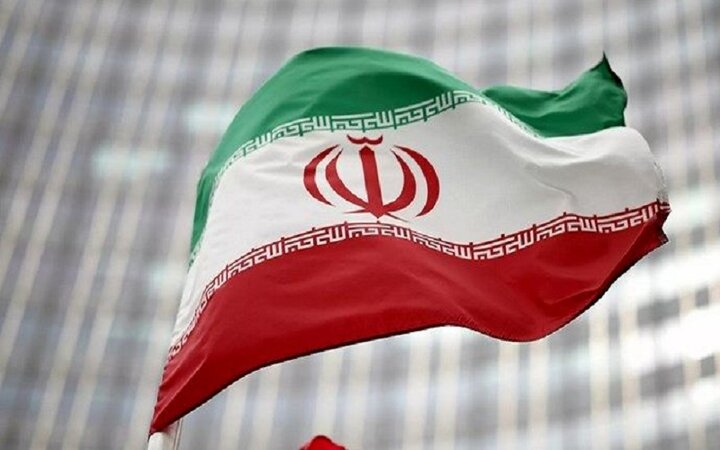
Iran (IMNA) – Between June 13 and 24, Israeli forces launched unprovoked attacks on Iranian civilian infrastructure, nuclear facilities safeguarded by the International Atomic Energy Agency (IAEA), and residential areas, causing significant casualties and destruction.
Exercising its right to self-defense under Article 51 of the UN Charter, Iran engaged militarily only as a last resort, emphasizing that its primary aim was to protect national sovereignty and citizens. After hostilities ceased, Tehran launched a comprehensive diplomatic and legal campaign to address the aggression and seek justice.
Iran’s Foreign Minister, Seyed Abbas Araghchi, sent formal letters to the UN Secretary-General and the Security Council President condemning Israeli and US actions and highlighting breaches of international law and the UN Charter. Iran urged the international community to uphold sovereignty and non-aggression principles.
At forums such as the Organization of Islamic Cooperation (OIC), Iranian representatives condemned the attacks and called for collective enforcement of international law. Iran also engaged with the IAEA to stress that its nuclear facilities, under agency safeguards, were unjustly targeted, constituting violations of nuclear legal frameworks.
Following a temporary ceasefire, Iran held nuclear discussions in Geneva with European powers including the UK, France, and Germany. While Tehran maintained that talks with the US would not resume amid security concerns, it expressed openness to dialogue with European representatives to ease tensions.
Throughout the crisis, Iran reaffirmed its dedication to peaceful nuclear development, emphasizing compliance with the Non-Proliferation Treaty and transparency through IAEA cooperation. On September 9, 2025, Araghchi and IAEA Director General Rafael Grossi signed a new agreement in Cairo, resuming nuclear cooperation under a revised framework. The IAEA noted the accord grants inspector access to all Iranian nuclear sites, including those targeted in the June attacks.
Despite holding a clear military advantage following the conflict, Iran accepted a US-proposed ceasefire, underscoring its long-standing policy of diplomatic restraint. Tehran’s response has been marked by adherence to international law and calls for global solidarity to hold aggressors accountable while promoting peaceful conflict resolution.
Iran’s comprehensive approach highlights its belief in diplomacy and international cooperation as essential tools for justice and peace, presenting a model amid ongoing tensions in West Asia.
Your Comment