

Iran (IMNA) - In this comprehensive guide, we'll help you navigate the world of cheese pairing and avoid traps that many cheese enthusiasts unknowingly fall into. From the importance of balancing flavor profiles and textures to considering regional pairings, you'll gain the knowledge needed to create harmonious, palate-pleasing combinations that will enhance your tasting sessions and impress your guests.
The key to successful cheese pairing lies in understanding the unique characteristics of each cheese variety and how they interact with various food and beverage choices. By making informed decisions, you'll be able to create memorable gastronomic experiences and discover new, exciting flavor combinations. Whether you're a passionate foodie, an avid home cook, or a curious beginner, this guide will equip you with the tools and insights needed to become a cheese pairing master.
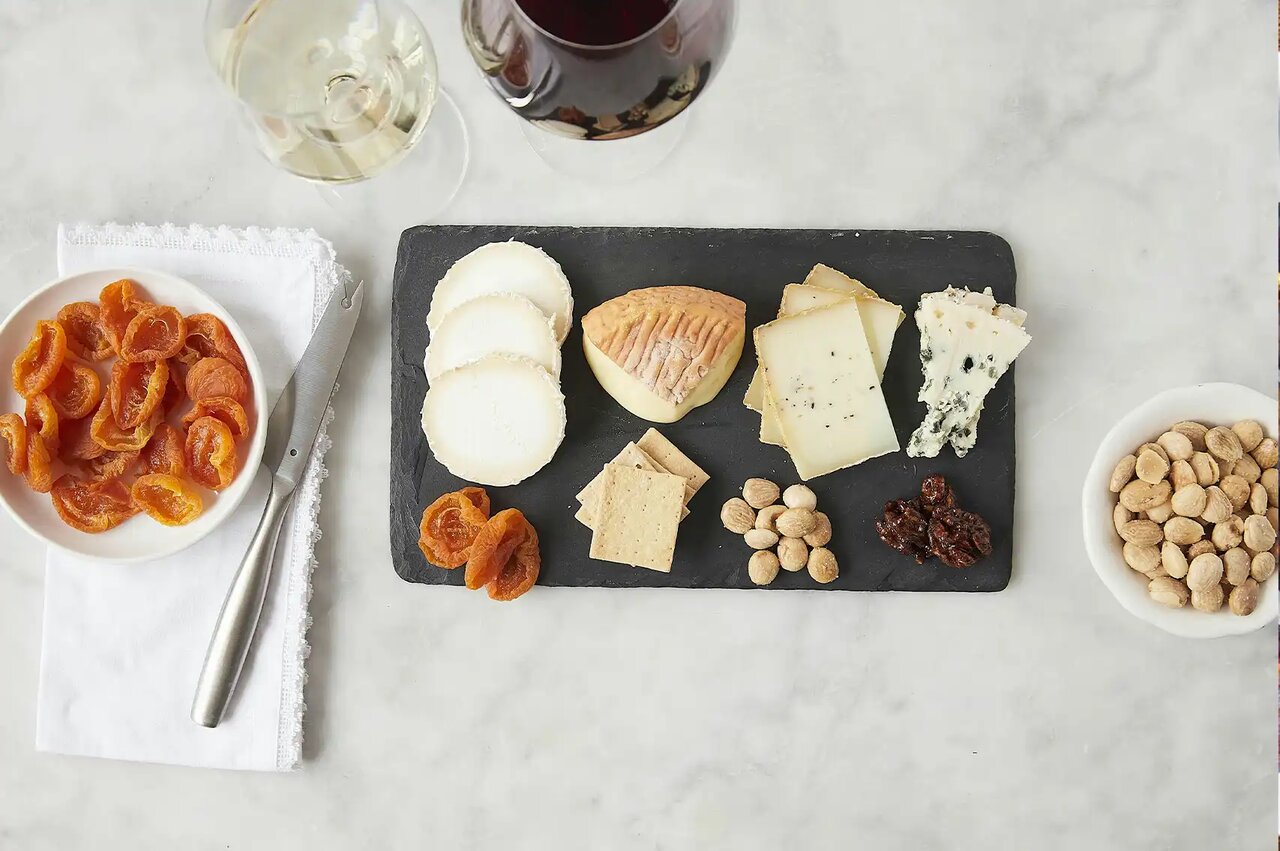
Do’s and Don’ts of Cheese Pairing
Avoid combining high-acid foods with bitter flavors: The sharpness of acidity can intensify bitterness, creating an unpleasant taste. For instance, pairing citrusy dressings with bitter greens like arugula can overwhelm the palate.
Steer clear of mixing bitter and fresh flavors: While fresh ingredients like herbs or citrus can brighten dishes, their freshness can clash with the intensity of bitter elements, leading to a disjointed flavor profile.
Reconsider pairing dry cheeses with fresh fruits or vegetables: Dry cheeses such as aged Gouda or Parmesan can be overly assertive when paired with fresh produce. Instead, opt for complementary accompaniments like jams, honey, or nuts to balance the flavors
Don't forget a palate cleanser: Incorporate neutral-tasting items like bread or crackers between courses to refresh the palate, especially when transitioning between contrasting flavors.
Embrace adventurous pairings: While traditional combinations are safe, experimenting with unconventional pairings can lead to delightful discoveries. For example, pairing a smooth juice with spicy cuisine can create a harmonious balance.
Pairing Cheese with Incompatible Foods
Certain foods can clash with cheese, disrupting the intended flavor experience. For instance, pairing cheese with overly garlicky or vinegary items can overpower its subtle notes. It's best to choose accompaniments that complement rather than compete with the cheese's flavors.
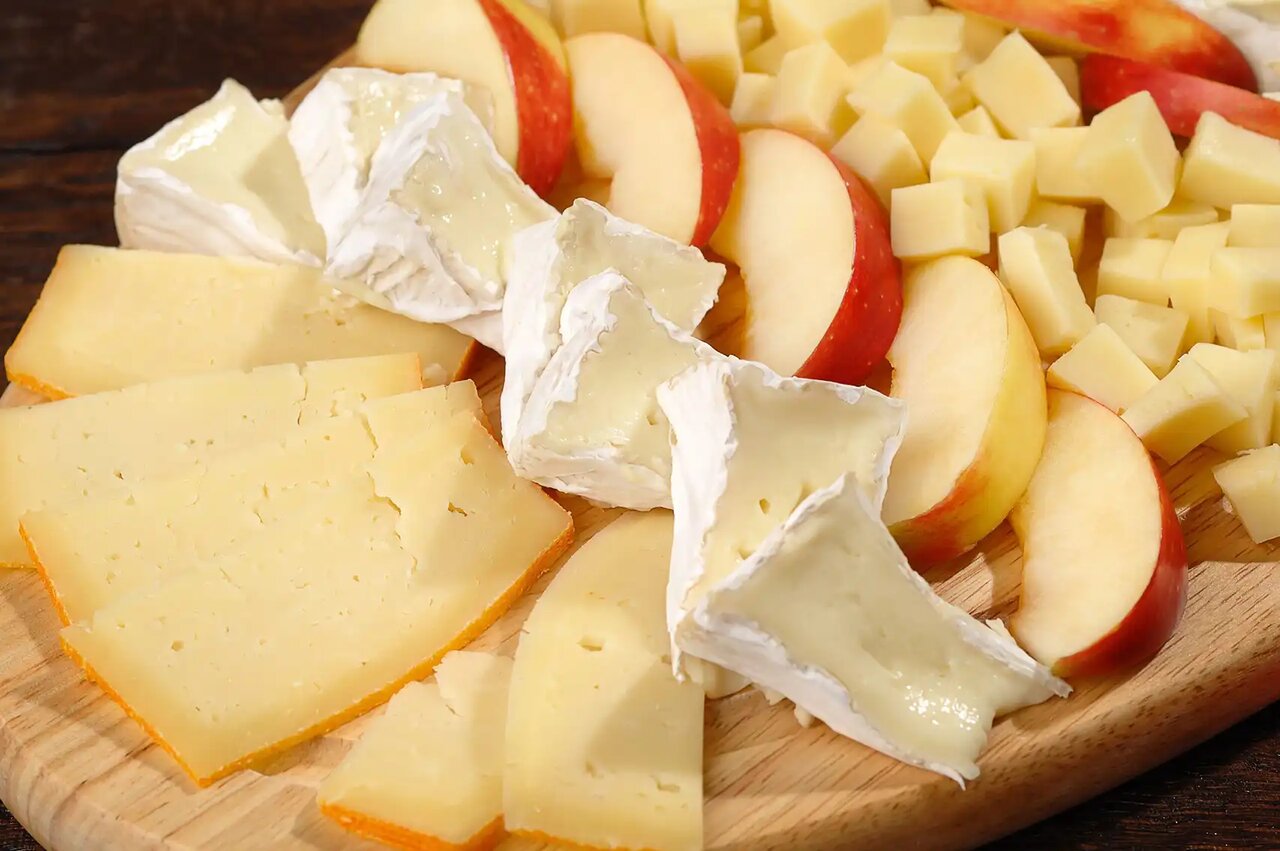
Get Extra Points By Following These Rules
Don’t Serve Cheese Straight from the Refrigerator
One of the most prevalent mistakes is serving a cold cheese dip. Chilled cheese can be firm and flavor-muted. Allowing cheese dip to reach room temperature before serving unlocks its full flavor profile and creamy texture. Experts recommend taking cheese dip out of the fridge about an hour before serving to let it breathe and soften.
Do Not Overload Your Cheese Board
While variety is the spice of life, an overcrowded cheese board can overwhelm the palate. Including too many cheeses can confuse the taste buds and detract from the enjoyment of each selection. It's advisable to limit your choices to four or five cheeses, ensuring a balance of textures and flavors.
Include Mozzarella Cheese on Your Board
Mozzarella, particularly fresh mozzarella, is a versatile and beloved cheese that often gets overlooked. Its mild flavor and soft texture make it an excellent addition to any cheese board. Pairing mozzarella with fresh herbs like basil or accompaniments like tomatoes can enhance its delicate flavor.
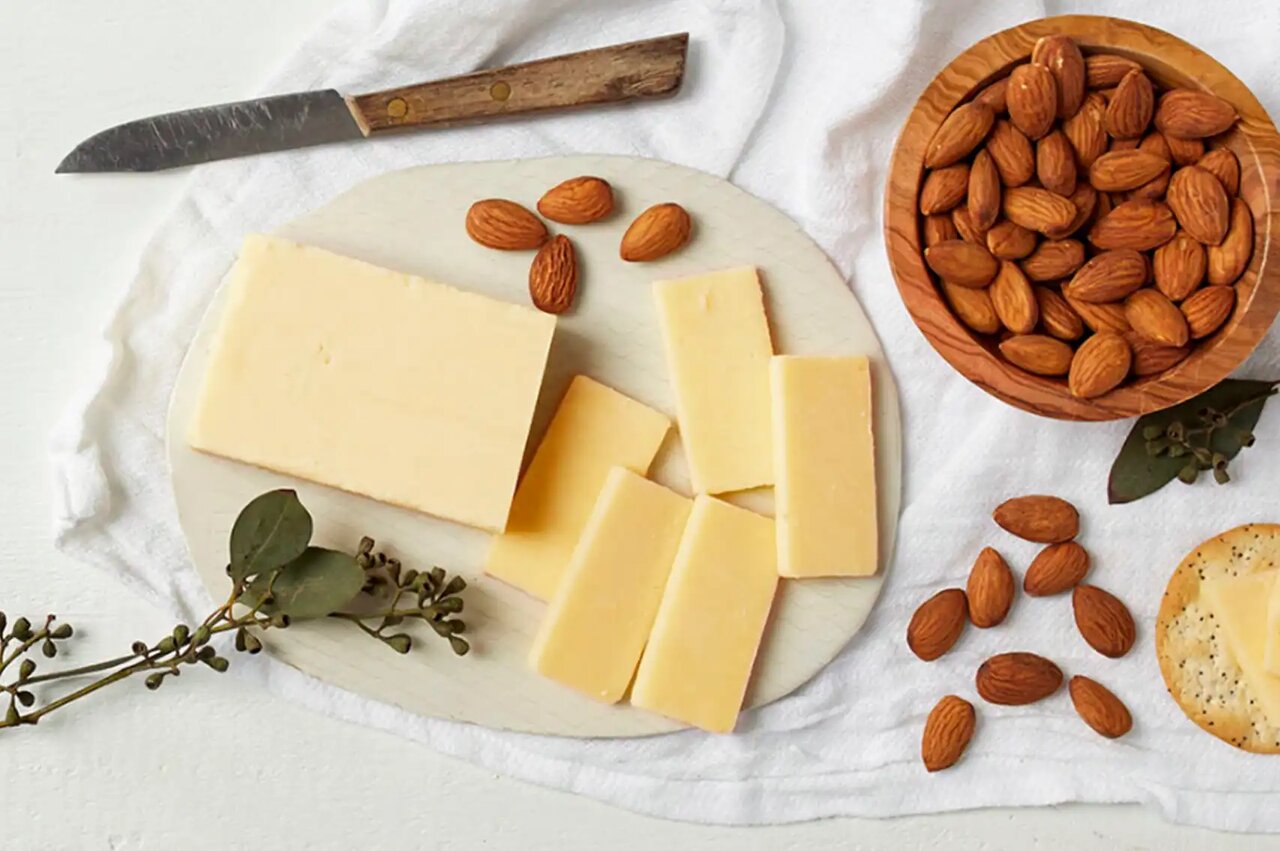
Pairing Cheese with Compatible Foods
If you want to buy natural cheese, consider that certain foods can clash with some natural cheeses, disrupting the intended flavor experience. For instance, pairing cheese with overly garlicky or vinegary items can overpower its subtle notes. It's best to choose accompaniments that complement rather than compete with the cheese's flavors.
Consider the Aesthetic Presentation
The visual appeal of a cheese board can enhance the tasting experience. Arranging cheeses with a variety of colors, shapes, and textures, along with thoughtful placement of accompaniments, creates an inviting and appetizing display. A well-presented board not only looks appealing but also encourages guests to explore and enjoy the offerings.
Considering Dietary Restrictions
Incorporating a range of cheeses that cater to various dietary preferences and restrictions ensures all guests can partake in the cheese experience. Including options like lactose-free cheeses or plant-based alternatives can make your cheese board more inclusive and enjoyable for everyone.
Experimenting with Pairings
Sticking to the same old pairings can limit the cheese-tasting experience. Don't hesitate to experiment with unconventional combinations. Pairing cheese with unexpected items like dark chocolate, honey, or even certain spices can lead to delightful discoveries and elevate your cheese board to new heights.
By being mindful of these common cheese pairing mistakes, you can enhance your cheese-tasting experiences and delight in the rich, diverse world of cheeses. Remember, the key is balance, variety, and a willingness to explore new combinations.
Your Comment