
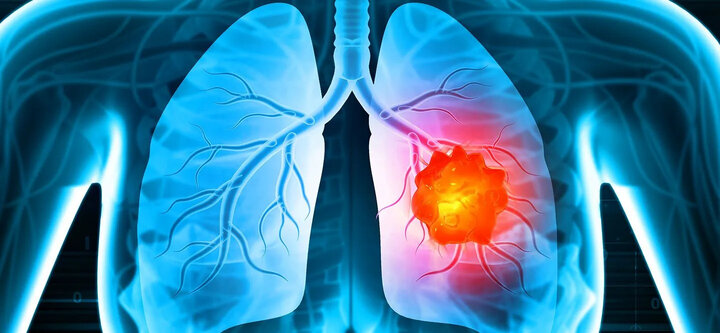
Iran (IMNA) - Lung cancer is among the most prevalent and fatal cancers worldwide, claiming millions of lives each year. This disease occurs when lung cells grow uncontrollably and spread to surrounding tissues or other organs. Multiple factors contribute to its development, including tobacco consumption, air pollution, and genetic predispositions. A deeper understanding of lung cancer can clarify paths for prevention, diagnosis, and treatment.
In recent years, significant advancements have been made in medical imaging and early detection of lung cancer. Low-dose CT scans, high-resolution MRI, and PET-CT technologies have enabled physicians to identify tumors at earlier stages. Moreover, artificial intelligence algorithms analyzing medical images have enhanced diagnostic accuracy and reduced human error.
Progress in genetics and biotechnology has paved the way for targeted therapies specifically designed based on the tumor’s molecular characteristics. These treatments attack the vulnerabilities of cancer cells with greater precision, offering improved efficacy and fewer side effects through personalized medicine.
One notable innovation in lung cancer diagnosis and monitoring is liquid biopsy. This minimally invasive method analyzes circulating tumor DNA in the blood, providing precise information about the disease status. Unlike traditional biopsies, liquid biopsy can be performed repeatedly to assess patient response to treatments.
Over One Million Annual Deaths from Lung Cancer / Remarkable Therapeutic Advances
Dr. Pourya Adeli, a board member of the Iranian Society of Radiation Oncology, emphasized the importance of focusing on this deadly contemporary disease in an interview with IMNA. He noted that although lung cancer causes approximately 1.8 million deaths annually, scientific advances in diagnosis and treatment have renewed hope for patients and healthcare providers alike. Raising awareness, promoting prevention, and improving patients’ quality of life remain vital priorities.
Adeli explained that lung cancer treatment has undergone profound transformations over past decades. Previously, treatment options were limited to surgery, radiotherapy, and chemotherapy, with survival rates remaining low. Today, however, targeted drugs and immunotherapy have significantly extended the life expectancy of specific patient groups.
Highlighting the discovery of unique molecular mutations in cancer cells, Adeli said these findings have enabled more precise treatment targeting. Drugs designed based on these mutations have increased patient survival and enhanced quality of life. This personalized therapeutic approach marks a turning point in lung cancer management.
Immunotherapy, which activates the immune system to attack cancer cells, has become one of the most effective treatment methods. New drugs in this domain have demonstrated a substantial reduction in disease progression and improved survival rates. Currently, immunotherapy combined with other treatments is often the first-line therapy for many patients.
Despite these advancements, significant challenges remain, such as late-stage diagnosis, drug resistance, and unequal access to treatment. Implementing effective screening programs, developing novel drugs, and ensuring financial support for patients are essential measures to overcome these barriers.
Leveraging modern technologies offers optimism for longer and higher-quality lives for lung cancer patients. Nonetheless, prevention through reduced tobacco use and air quality control remains a cornerstone. A brighter future relies on continued awareness, research, and societal solidarity.
Lung cancer deeply affects patients’ mental health and social lives. Many sufferers experience anxiety, depression, and isolation. Psychological support, specialized counseling, and participation in peer-support groups can help patients better cope and maintain their quality of life.
In advanced stages, treatment focus shifts from tumor eradication to symptom management and enhancing life quality. Palliative care, including pain relief, respiratory symptom control, and psychological support, is crucial—not only for patients but also for their families and caregivers—and should be an integral part of care plans.
Effective lung cancer prevention requires active community engagement. Anti-tobacco campaigns, education on risk factors, and promoting healthy lifestyles play pivotal roles in reducing disease prevalence. Media, educational institutions, healthcare centers, and families must collaborate in raising awareness and supporting those affected.
Your Comment