

Iran (IMNA) - It’s a journey that requires attention to detail, understanding of the technicalities, and, most importantly, a keen awareness of what you’re actually paying for.
One of the first things I learned was the importance of researching reliable platforms. Websites like Zorendi have made a significant difference in how I shop for second-hand cars in Dubai. With a wide selection of cars for sale, it’s easy to find what you’re looking for, but it’s equally easy to be overwhelmed. I’ve found myself scrolling through pages, comparing prices and models, before realizing how important it is to know exactly what I need in a vehicle.
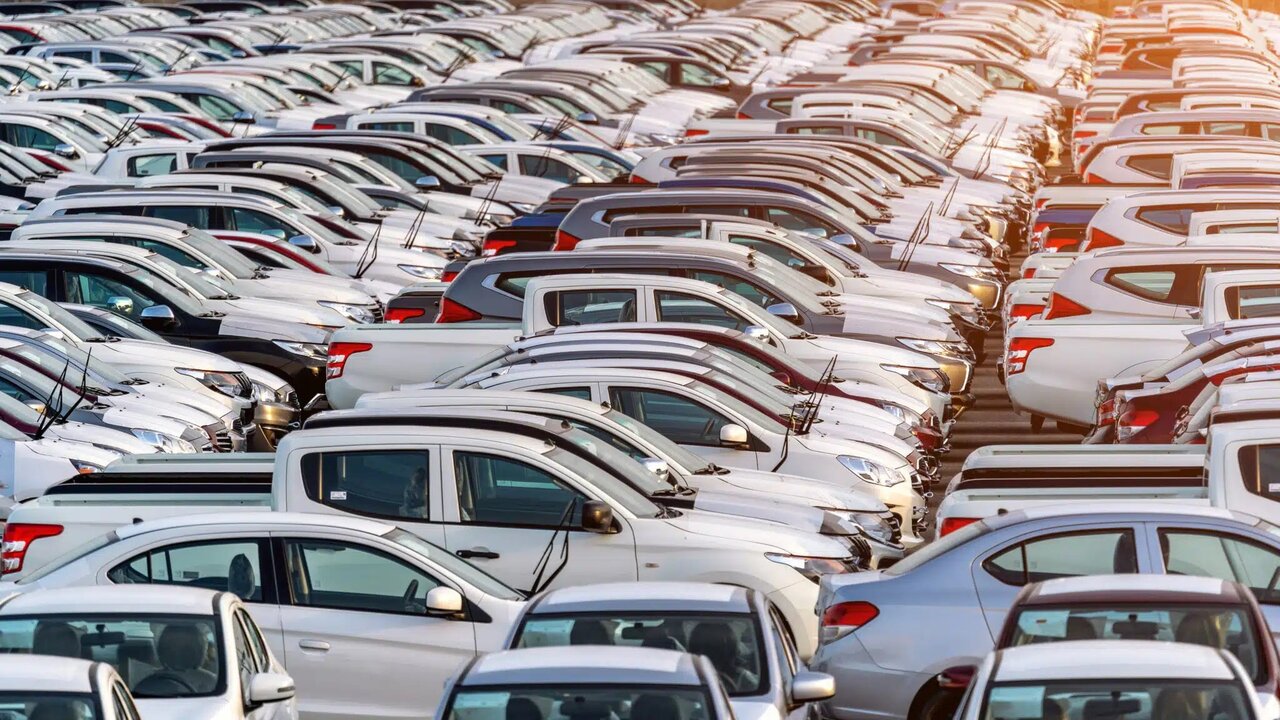
Start with the Basics: Car History and Documentation
When I purchased my first second-hand car in Dubai, I didn’t pay enough attention to the car’s history. I was so focused on the car’s look and feel that I neglected to dive deep into its background. What I didn’t realize at the time was that a thorough check of the car’s history—especially its service records—can save you from potential headaches down the road. The number of accidents, ownership transfers, and maintenance records are crucial details that give you a true understanding of the car’s condition.
Mileage
This is perhaps the most discussed factor, and for good reason. Cars with higher mileage often have more wear and tear, but what’s more important is how well the car has been maintained. For instance, a car with 100,000 kilometers might have better condition than one with 50,000 kilometers if it has been regularly serviced.
Accident History
Cars that have been in accidents may have been repaired, but how well were they repaired? A poor repair job could cause you future problems with the car’s frame or engine.
Ownership History
Fewer owners usually mean less complexity with the car. If the car has changed hands multiple times in a short period, that’s often a red flag.
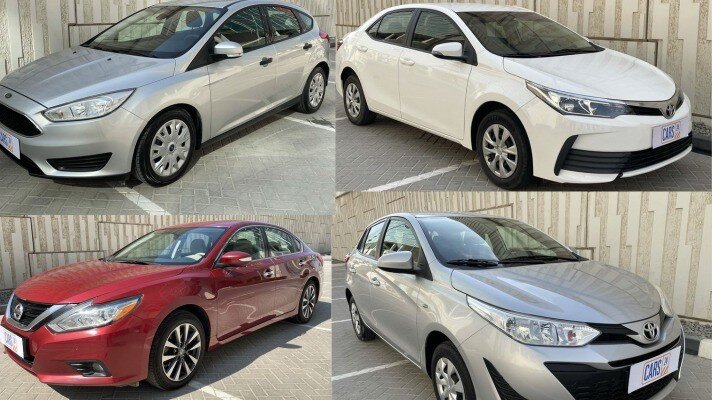
Engine and Mechanical Inspections: Dig Deeper
One of the most important lessons I learned, especially after speaking with some friends in the automotive industry, is that a thorough mechanical inspection can’t be overlooked. This isn’t just about the obvious issues like oil leaks or unusual sounds. It’s about understanding the inner workings of the vehicle that you won’t always see at first glance.
I remember once inspecting a car where the engine looked perfect on the surface, but during the test drive, I noticed a strange vibration at higher speeds. It turned out that the timing belt had not been replaced for a while, which could have caused serious engine damage. This was a minor issue I caught before it became a major problem. Here are a few things I always check:
Engine Oil and Fluids
The condition of the engine oil and other fluids gives a good indication of how well the car has been maintained. Low or dirty oil can suggest the car hasn’t been serviced properly.
Suspension and Brakes
Test the car’s suspension by driving it over bumps. Listen for any strange noises or vibrations. The brakes should respond evenly, and if there’s any delay or noise, it could indicate worn brake pads or discs.
Transmission and Clutch
Ensure that the transmission shifts smoothly. If the car has a manual transmission, the clutch should engage without any issues. A stutter or slip could be an indication of underlying problems.
Don’t Skip the Test Drive: It’s a Must
I can’t emphasize enough how essential the test drive is. The test drive is where you truly connect with the car and can pick up on any issues that may not be visible during an inspection. It's like meeting someone for the first time—you can read a lot between the lines and by how things feel. You can test how the car performs under different conditions, from speed to braking to handling sharp turns.
On my first test drive, I remember hearing a subtle noise coming from the rear of the car. At first, I thought it was just road noise, but upon further inspection, I discovered that one of the wheel bearings was faulty. If I hadn’t taken the time to really listen and feel out the car during the test drive, I would have missed it, and the cost of repairs would have been significant.

How to Find Cars for Sale: Navigating Through the Options
Now, let’s talk about where you can find the best cars for sale. Whether you're searching online or in person, there are a few strategies I’ve used to maximize my chances of finding a great deal.
Use Reputable Websites
As I mentioned earlier, websites like Zorendi are an excellent place to start. You get access to a variety of listings with detailed descriptions, including the price, mileage, and condition of the car. Be sure to filter your search based on your specific needs—whether that’s by make, model, year, or price range.
Inspect Multiple Listings
It’s easy to fall in love with the first car you see, but take the time to browse through multiple listings. This gives you a clearer idea of what the fair market price is for the specific car model you’re interested in. Don’t settle for the first listing you come across.
Check for Deals and Discounts
Dealers often run special promotions, especially at the end of the month or during major sales events. You might be able to snag a deal if you know when to look.
The Price Game: Negotiating Like a Pro
One thing I’ve learned is that the price listed is rarely the final price. Negotiation is a key part of buying second-hand cars in Dubai, and there’s always room to make a better deal. I always start by doing a lot of research about the car’s market value. Websites like Zorendi help by providing price comparisons, but you can also use tools like Dubai’s Vehicle Registration Authority to check the car’s actual value. Once you know what the car is really worth, you can start negotiating.
During one of my recent purchases, I was able to lower the price by about 10% simply by pointing out small imperfections in the vehicle that required attention. It wasn’t about being overly critical, but more about showing the seller that I had done my homework and was aware of what needed fixing. Sometimes, sellers will offer to fix these issues before the sale, which could save you even more money.
Final Thoughts: Know What You’re Getting Into
In the end, buying a second-hand car in Dubai is a process that requires patience, knowledge, and a little bit of intuition. While it might seem daunting at first, with the right tools and approach, you can find a great vehicle that will serve you well for years to come. Just remember, there’s always more to a used car than meets the eye, so don’t rush the process. Take your time, check all the boxes, and you’ll drive away happy.
By the time you’re ready to make a deal, you’ll have everything you need—both technical knowledge and practical insight—to make an informed decision. And with platforms like Zorendi and Dubizzle, you’ll be able to navigate the market confidently, knowing you’re getting a good deal on the car you really want.
Your Comment