
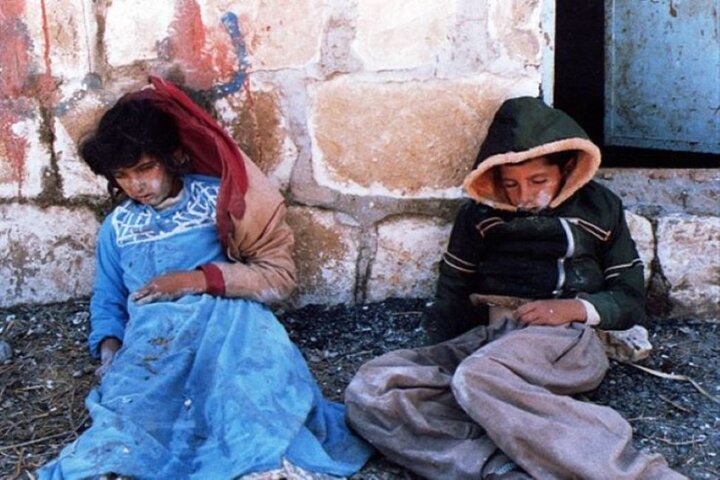
Iran (IMNA) - Marking the 38th anniversary of this tragedy, Iranian Foreign Ministry spokesman Esmaeil Baghaei drew a parallel between the Sardasht chemical attack and the ongoing genocide in Gaza, condemning the silence of self-proclaimed human rights defenders. He recalled that Sardasht was the first city after World War II to endure chemical weapons, an atrocity met with global silence while the victims’ suffering was ignored.
Baghaei stated, “On that day, humanity itself had run out of breath. Today, the same tragedy is being replayed on the stage of Gaza.” He emphasized that the perpetrators remain the same, only their masks have changed, and that the brazen shamelessness has replaced any semblance of order or honesty.
Interim Foreign Minister Ali Bagheri Kani added that pursuing justice against those responsible for chemical attacks on Iran is not limited by time, underscoring Iran’s refusal to forget or forgive the wounds inflicted by such attacks.
The 1987 Sardasht attack left a lasting scar on Iran’s collective memory, with survivors enduring lifelong health struggles due to the chemical agents used. The incident highlights the complicity of Western powers in enabling Saddam Hussein’s chemical weapons program and serves as a grim reminder amid current conflicts.
Your Comment