
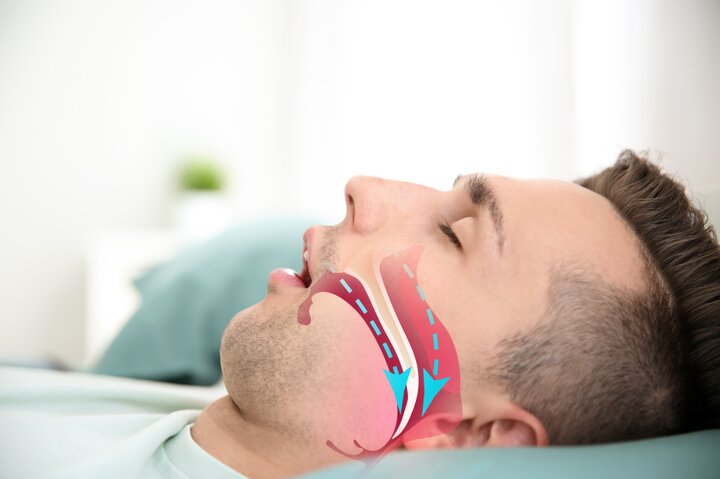
Iran (IMNA) - In an exclusive interview with IMNA news agency, Dr. Ebrahim Razmpa, a specialist and surgeon in otolaryngology and head and neck surgery at Tehran University of Medical Sciences, explained that sleep apnea is a complex respiratory disorder causing repeated and momentary pauses in breathing during sleep. These pauses can last from a few seconds up to a minute, resulting in decreased oxygen levels in the blood and disruption of the sleep cycle. In contrast, snoring is an unpleasant sound caused by air passing through a narrowed airway and usually does not cause serious problems for the individual, although it can disturb the sleep quality of those around them.
Dr. Razmpa emphasized that the key difference between these two conditions lies in their impact on general health and the level of risk involved. Sleep apnea can cause heart problems, high blood pressure, and reduced daytime energy levels, while snoring is primarily a mechanical issue that can often be managed by lifestyle changes.
He noted that both sleep apnea and snoring share some common causes, but their severity and consequences differ. Relaxation of the throat muscles during sleep narrows the airway and causes snoring, whereas sleep apnea may result from complete obstruction of the airway or a failure in the brain’s signaling to the muscles responsible for breathing. Factors such as obesity, aging, alcohol consumption, smoking, structural problems in the nose or tonsils, and even sleep position can exacerbate both conditions. Although snoring may sometimes indicate sleep apnea, many people snore without having the disorder.
According to Dr. Razmpa, individuals with sleep apnea often experience symptoms beyond snoring, including gasping or choking during sleep, sudden awakenings, excessive daytime sleepiness, morning headaches, difficulty concentrating, and irritability. These symptoms arise from oxygen deprivation and disrupted sleep cycles. Snoring, on the other hand, is usually just an audible sign and does not typically cause discomfort unless it affects the individual’s sleep quality. He recommends medical evaluation if snoring is accompanied by repeated breathing pauses to determine the presence of sleep apnea.
Dr. Razmpa warned about the serious health consequences of sleep apnea, explaining that continuous oxygen deprivation places extra strain on the heart and blood vessels, increasing the risk of cardiovascular diseases, stroke, and type 2 diabetes. Additionally, fragmented and insufficient sleep caused by sleep apnea leads to decreased concentration, extreme fatigue, and reduced daily functioning. While snoring can be annoying, it does not independently pose such health risks; its main concern is the impact on the sleep of partners or family members.
For diagnosis, Dr. Razmpa stated that sleep apnea requires specialized sleep studies and overnight oxygen monitoring to assess the frequency and severity of breathing interruptions. Snoring can usually be diagnosed through symptom assessment and lifestyle evaluation without complex tests. Treatment for sleep apnea involves specialized approaches such as continuous positive airway pressure (CPAP) devices, surgical correction of airway obstructions, and lifestyle modifications including weight loss and smoking cessation. Snoring treatment is generally simpler, involving sleep position adjustments, nasal strips, and minor lifestyle changes, although severe snoring affecting sleep quality may require advanced interventions.
Highlighting the role of obesity, Dr. Razmpa identified it as the leading cause of both sleep apnea and snoring. He noted that in 80 to 90 percent of cases, reducing weight to a normal range resolves sleep apnea. He explained that sleep apnea is divided into two types: central and obstructive. Central sleep apnea occurs without physical airway obstruction due to impaired brain signaling, while obstructive sleep apnea, which is more common, can be treated surgically by correcting factors such as nasal polyps, deviated septum, and enlarged tonsils. He advised maintaining a healthy weight through a balanced diet and regular physical activity to prevent sleep apnea.
Dr. Razmpa emphasized that preventing sleep apnea and snoring involves adopting a healthy lifestyle, controlling weight, avoiding alcohol and tobacco, choosing appropriate sleep positions, and improving bedroom air quality. He urged individuals experiencing suspicious symptoms to consult a physician and undergo necessary evaluations. Proper management of these disorders significantly improves sleep quality and overall health.
Your Comment