
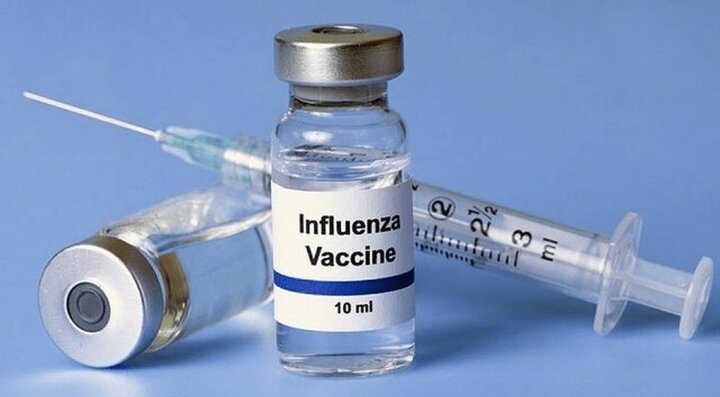
Iran (IMNA) — Mohammad Reza Salehi told IMNA that respiratory infections become more common in autumn, making flu vaccination particularly important for vulnerable groups.
Those at higher risk include children under six, adults aged 65 and older, pregnant women in their third trimester, people with obesity, and those with serious underlying conditions such as heart, liver, kidney or lung failure. People with cancer or inflammatory diseases who take immunosuppressive medications are also among those advised to get vaccinated.
Salehi said people who have previously experienced an allergic reaction to the flu vaccine should consult a doctor before receiving another dose and avoid making decisions about vaccination without medical advice.
He recommended getting vaccinated in October or November, emphasizing that high-risk individuals who have not received the vaccine by the end of this period should still get it as soon as possible.
According to Salehi, Iran typically experiences two seasonal influenza peaks: the first from late November to early December and the second in February and March. Since it takes around two to three weeks for the body to develop immunity after vaccination, getting the shot before the first peak is particularly important.
People who contract influenza before getting vaccinated can still receive the vaccine after recovering, he added, noting that different influenza strains circulate and that having had the illness does not necessarily provide protection against other strains.
Salehi also highlighted the need for special attention to children’s vaccination schedules. Children under eight receiving the flu vaccine for the first time are generally advised to receive two doses, administered one month apart.
He stressed that vaccination should be accompanied by other preventive measures. While the flu shot helps reduce the risk of illness and its complications, it does not guarantee complete protection against infection. Wearing a mask, washing hands frequently and staying home when ill are also important steps in limiting the spread of respiratory infections and allowing those affected to recover.
Your Comment