
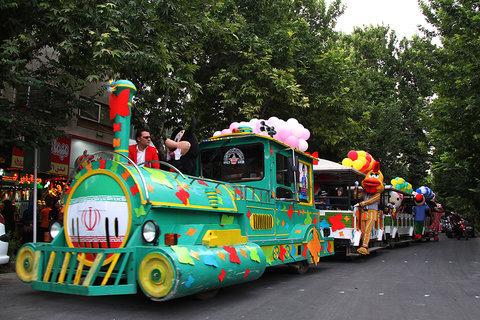
Iran (IMNA) - Holding an international film festival dedicated to young audiences in Isfahan, a city with a rich historical and civilizational heritage, provides a valuable platform for connecting children and teenagers with Iranian culture, history and identity through the language of art.
Adolescence is a critical period in the formation of personal and social identity. Cultural events and artistic productions aimed at young audiences can play a significant role in this process, particularly when they present Iranian-Islamic identity in a way that is engaging, accessible and compatible with the interests and language of today's generation.
The role of media has become increasingly significant in shaping young people's perceptions and identities. Iranian children and teenagers are exposed to a wide range of international media content, making the production of high-quality domestic cultural and artistic works increasingly important. Strengthening cultural identity does not necessarily require confronting foreign influences; rather, it requires presenting meaningful and compelling alternatives rooted in Iran's own cultural heritage.
In this context, filmmakers and artists can draw on the country's extensive historical and cultural resources. Iranian literature, mythology, historical figures and contemporary heroes offer a rich source of stories that can be transformed into engaging films and other artistic works for younger audiences. From the legendary characters of the Shahnameh, including Rostam and Sohrab, to historical figures, national heroes and contemporary personalities, Iran's cultural heritage contains numerous narratives capable of inspiring young audiences.
Introducing strong, admirable and relatable characters can be particularly effective in shaping young people's sense of identity. Rather than presenting history as distant or merely educational, cinema can bring its figures and stories to life in ways that allow children and teenagers to connect emotionally with them.
The festival also provides an opportunity to promote joy, creativity and social interaction among young people. Children and adolescents bring a distinctive sense of energy, hope and openness to cultural events, making youth-oriented festivals important spaces for communication and shared experiences.
This year's festival also carries particular significance as the first international event of its kind for children and young adults following the recent war. Children and teenagers experienced considerable anxiety and disruption during the conflict, as war affects not only economic and political conditions but also the cultural and psychological well-being of society.
Creating a safe, positive and age-appropriate environment where young people can meet, participate and express themselves can help reduce some of the psychological effects of conflict. Giving children and teenagers meaningful roles as participants, judges and evaluators can further strengthen their sense of belonging and agency.
A children's film festival can serve a purpose beyond entertainment. By combining cinema, cultural heritage, storytelling and active participation, such events can help young people develop a stronger connection with their cultural roots while providing them with hope, confidence and a sense of their role in shaping the country's future.
Your Comment