
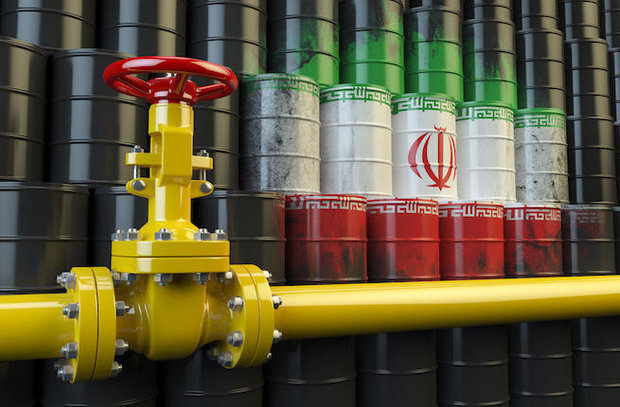
Iran (IMNA) - Addressing Parliament’s open session on Tuesday, Qalibaf said that if Iran is prevented from selling oil in a region, other countries should not expect to sell their oil there either. He also warned that if Iran’s security is not guaranteed, the security of infrastructure in the region cannot be guaranteed.
Qalibaf dismissed recent remarks by US President Donald Trump concerning the Strait of Hormuz and the passage of vessels through the strategic waterway, describing them as repetitions of previous claims.
He said Iran had closed the Strait of Hormuz following the latest round of what Tehran describes as unprovoked US-Israeli aggression. According to the speaker, Iran and the United States had agreed to a 60-day reopening period under a Pakistan-mediated memorandum of understanding in June, but what Tehran described as US violations led Iran to reestablish the closure.
Iran has conditioned the reopening of the waterway on the fulfillment of seven prerequisites.
Qalibaf also said Iran would respond to any US attempt to impose a naval blockade, close Iranian air corridors or place pressure on the country’s commercial lifelines. He compared such a response with the efforts to break the siege of the southwestern Iranian city of Abadan during the Iran-Iraq War in the 1980s.
He said the United States’ current efforts would be countered through economic planning and management as well as military responses.
Qalibaf further referred to Trump’s recent address to the 81st session of the United Nations General Assembly, where the US president said he was prepared to make a “big decision” on whether to reach a deal with Iran or take military action. Trump also repeated allegations that Iran is seeking a nuclear weapon.
The Iranian Parliament speaker said such remarks demonstrated that Washington had not changed its approach toward Iran. He stressed that Iran does not seek war but would defend its security, dignity and rights, adding that threats would not force the Iranian nation to retreat.
Qalibaf also praised President Masoud Pezeshkian’s recent address to the UN General Assembly, saying it represented Iran’s position in the face of external pressure.
He concluded by calling for courageous decision-making, timely action at critical moments, and greater national solidarity and cohesion as Iran faces what he described as a historic juncture.
Your Comment