Iran marks Journalists Day on August 8, a day dedicated to honoring journalists and remembering those who have lost their lives while carrying out their professional duties.
Iran (IMNA) – Observed annually on August 8, corresponding to Mordad 17 on the Iranian calendar, Journalists Day is an opportunity to recognize the essential role of journalists in informing the public, documenting events and giving voice to issues and people that might otherwise remain unheard.
The occasion is also associated with the memory of Mahmoud Saremi, an Iranian journalist with the Islamic Republic News Agency (IRNA), who was killed in Mazar-i-Sharif, Afghanistan, in 1998. His death became closely associated with the commemoration of journalists in Iran, and Mordad 17 was subsequently designated as Journalists Day.
More than reporting the news
Journalism is far more than simply reporting what happens. At its heart, it is a profession built on accuracy, responsibility, persistence and a commitment to informing society.
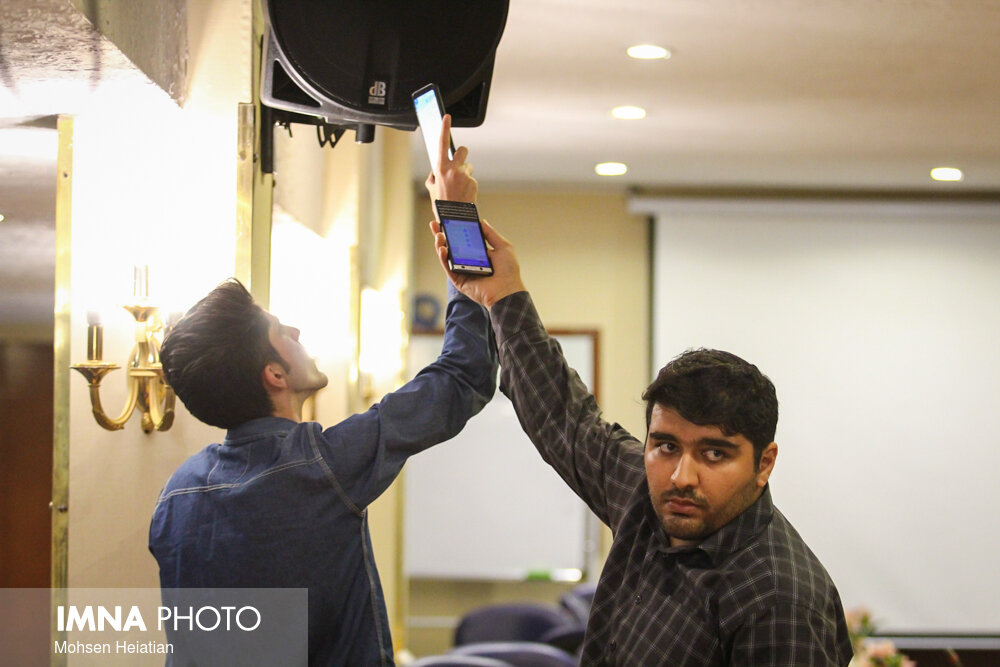
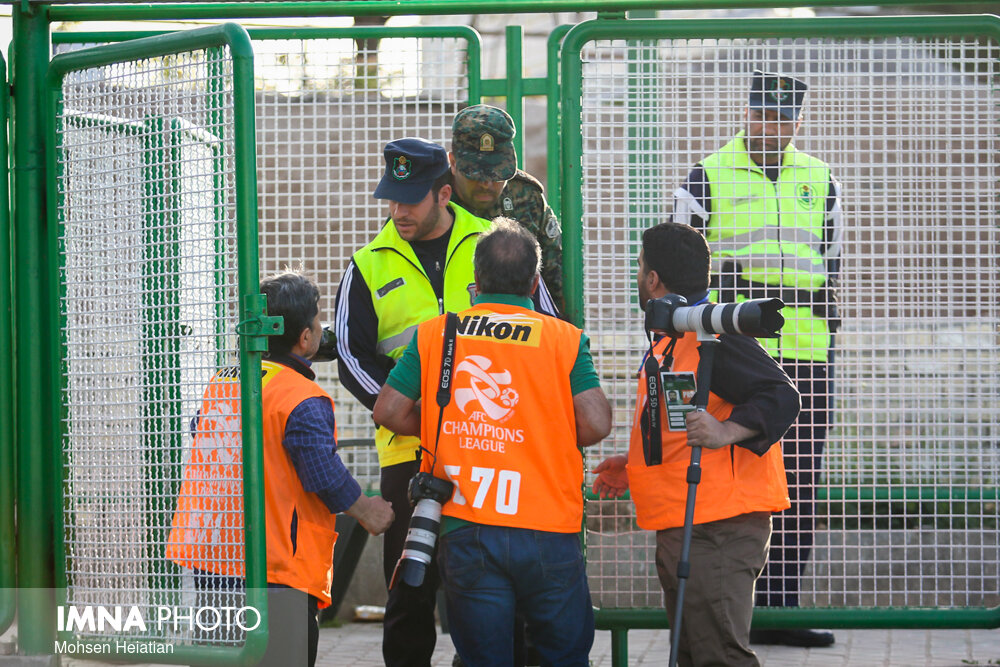
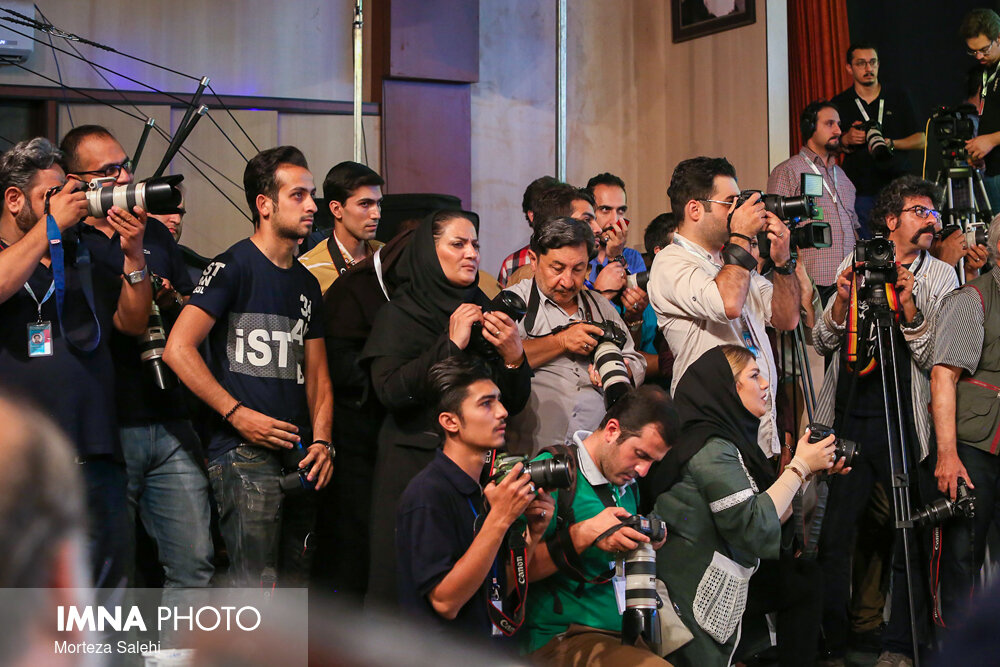
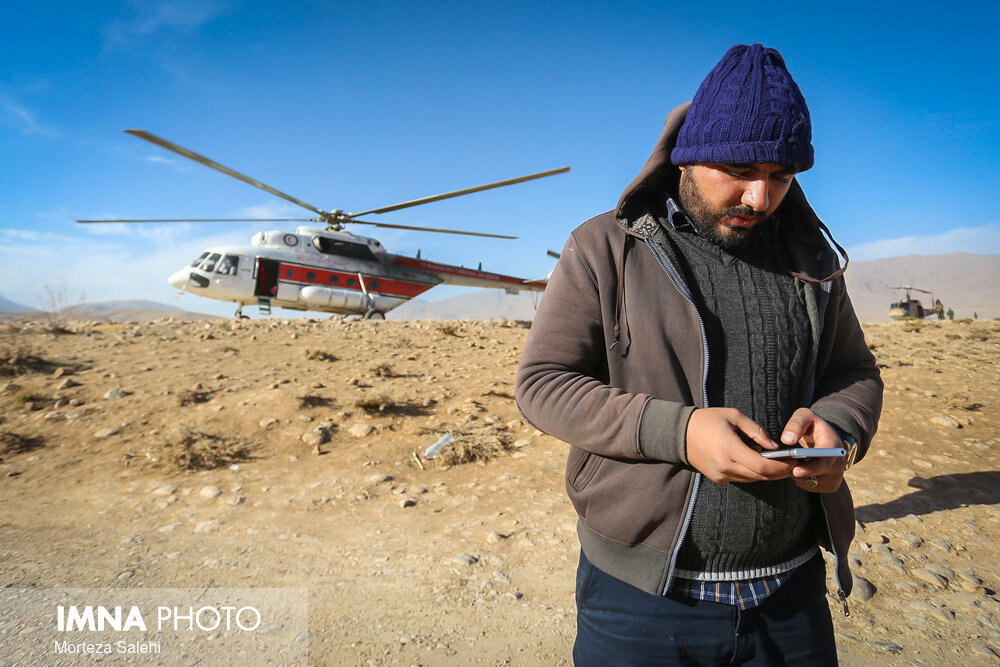
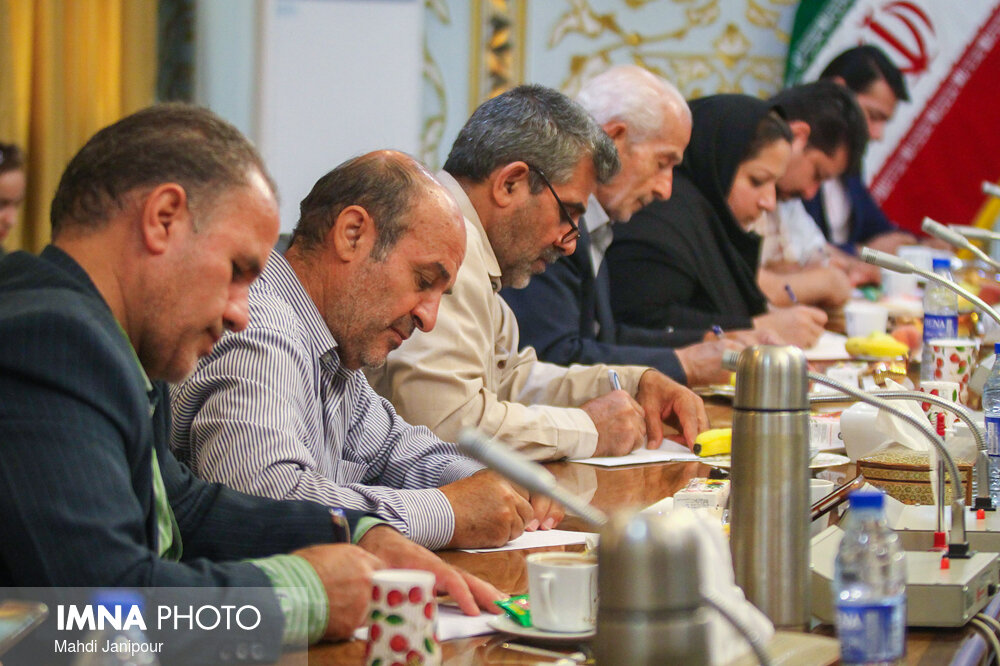
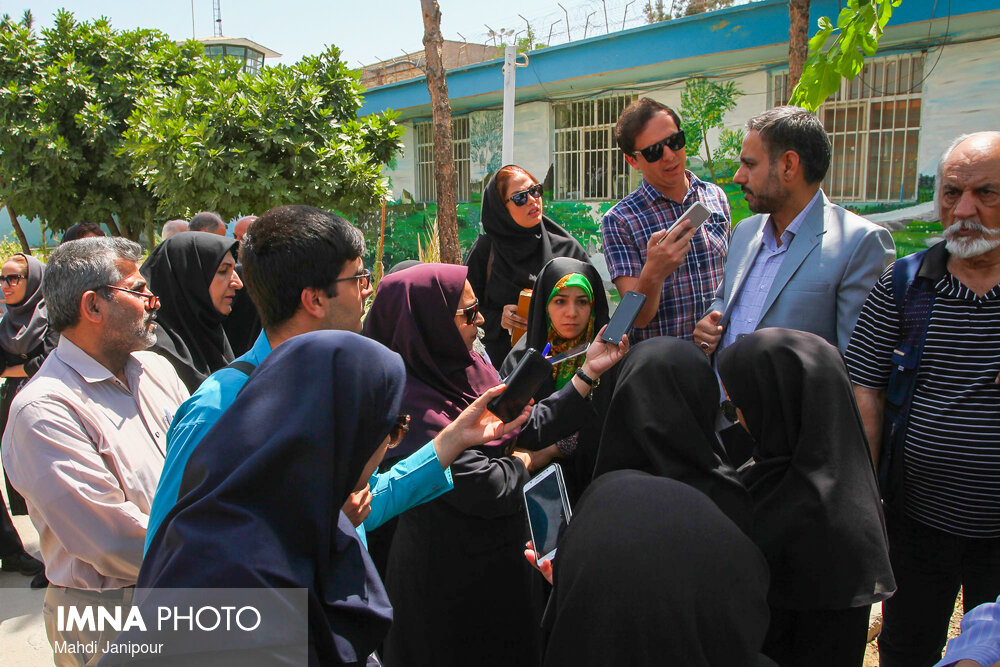
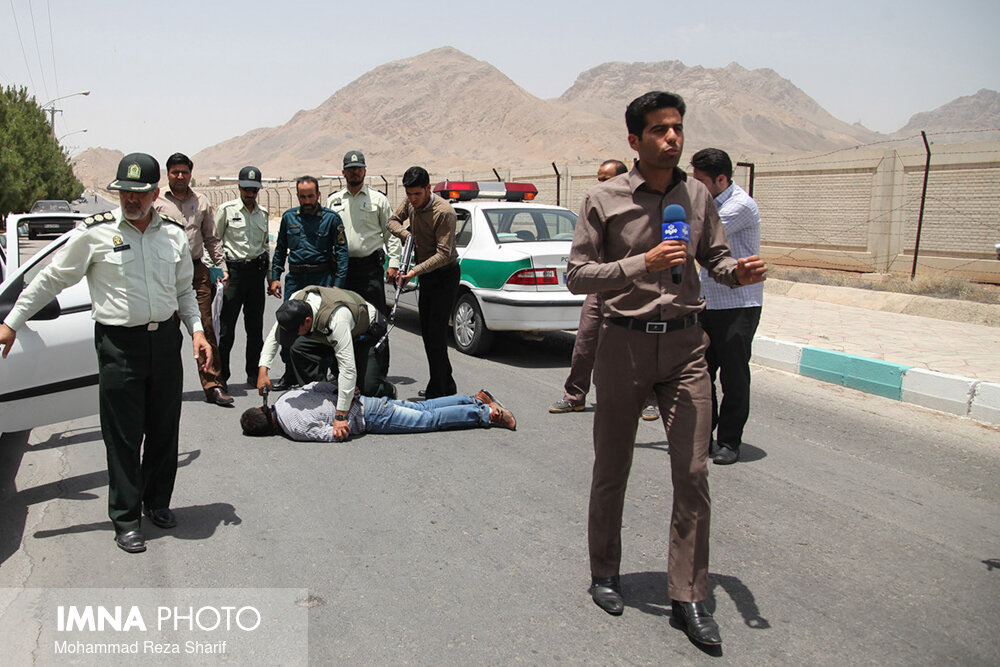
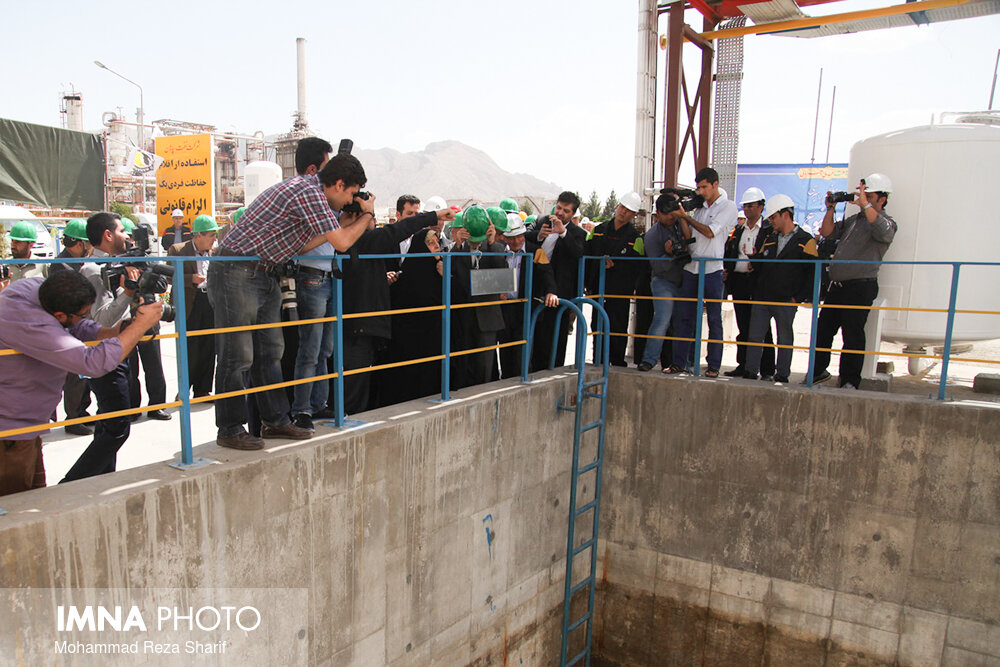
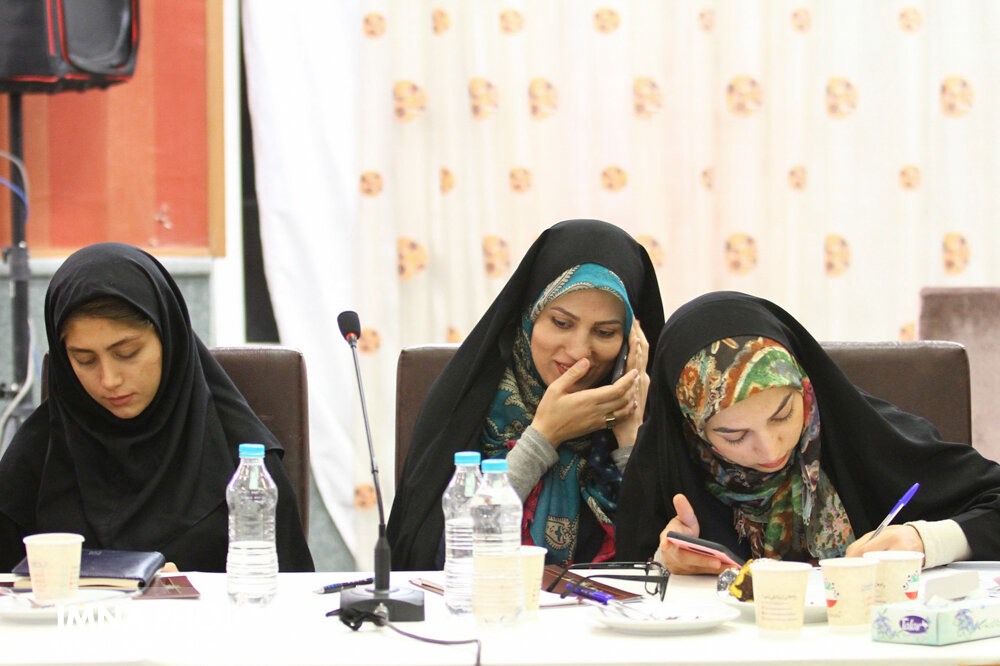
Every day, journalists work to transform a constant flow of events, statements and information into stories that audiences can understand and evaluate. They attend press conferences, visit communities, interview officials and citizens, investigate developments and report from places where important events are unfolding.
In an era when information can spread around the world within seconds, the role of professional journalism has become even more significant. Social media and digital platforms have made the distribution of information faster than ever, but speed does not necessarily guarantee accuracy.
A professional journalist must distinguish fact from claim, verify information, seek reliable sources and provide context. In this environment, the value of journalism lies not simply in reporting first, but in reporting accurately and responsibly.
Journalists also serve as an important link between institutions and the public. Through their reports, they can bring social concerns, citizens' experiences and community challenges into the public conversation.
From urban development and environmental challenges to culture, science, economics and social affairs, journalists document changes that shape people's everyday lives. A report about an issue in a neighborhood, an interview with a citizen, coverage of a cultural event or an investigation into an environmental challenge can all become part of the historical record of a society.
Their work can also encourage dialogue, increase public awareness and help decision-makers better understand the realities experienced by communities.
The challenges behind the profession
Behind every published story is often a considerable amount of work that remains unseen by the audience. Journalists work under tight deadlines, follow developing stories, verify information, and frequently have to make important editorial decisions within a very short period of time.
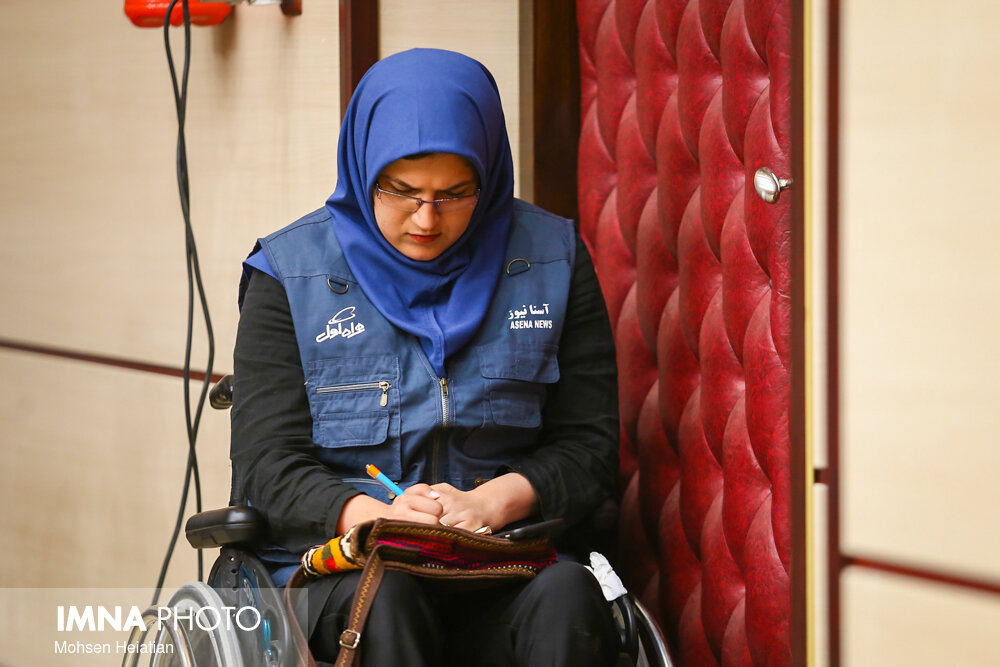
The profession requires patience, curiosity and the courage to ask questions. It also demands ethical responsibility, because a journalist's words can influence public understanding and affect the lives of individuals and communities.
For many journalists, the working day does not end when an article is published. Breaking news can arrive at any hour, requiring reporters and editors to immediately return to their work.
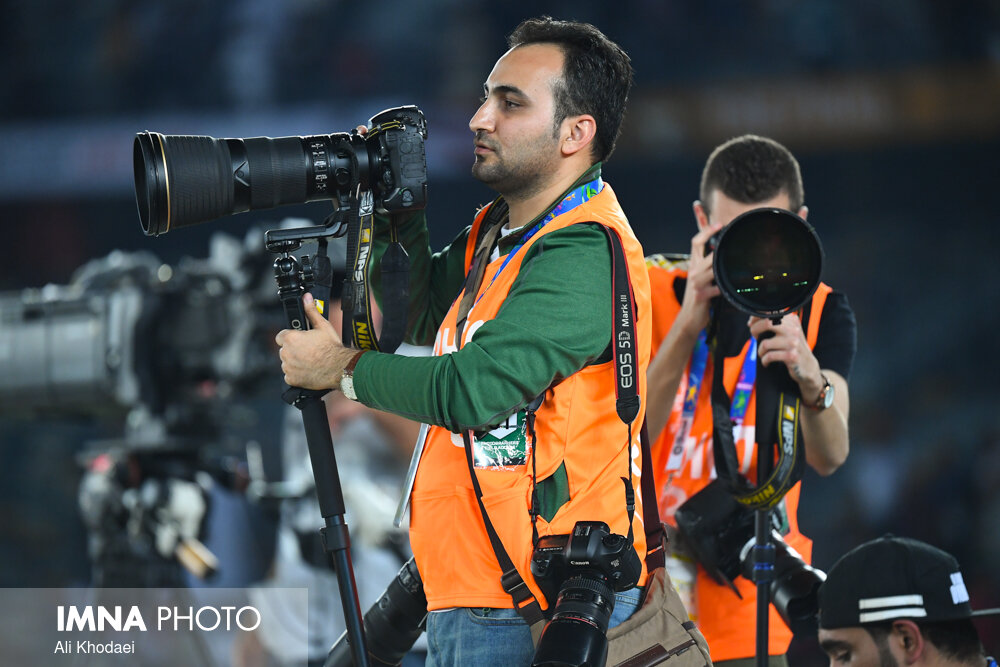
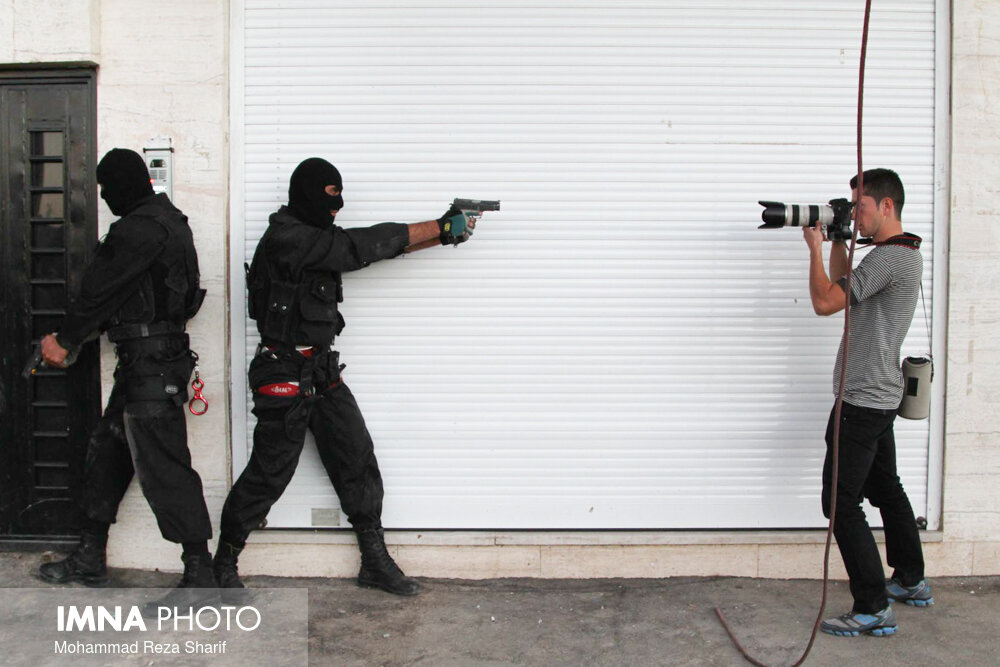
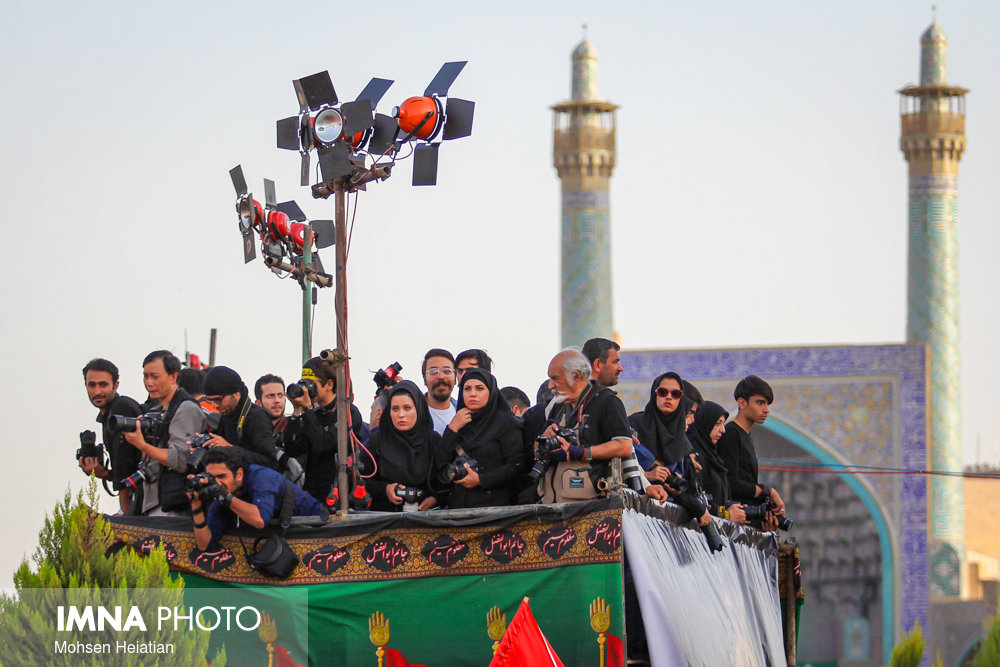
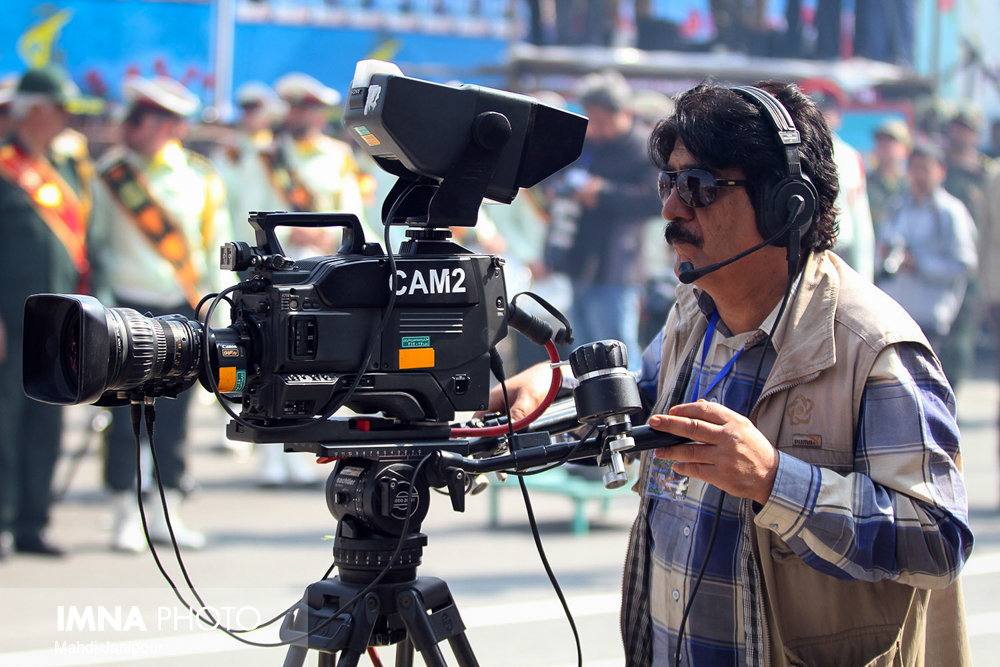
Journalists Day is therefore not merely a date for congratulations. It is an opportunity to recognize the people behind the headlines—the reporters, photographers, editors, correspondents and media professionals who work every day to document the present.
Their stories become tomorrow's record of today's world.
On this day, appreciation goes to every journalist who pursues facts with integrity, asks difficult questions with responsibility, listens to voices that deserve to be heard and continues to tell society's stories despite the pressures and challenges of the profession.
Happy Journalists Day to all Iranian journalists—the reporters behind the headlines, the voices behind the stories and the witnesses who help preserve the memory of our time.


Your Comment