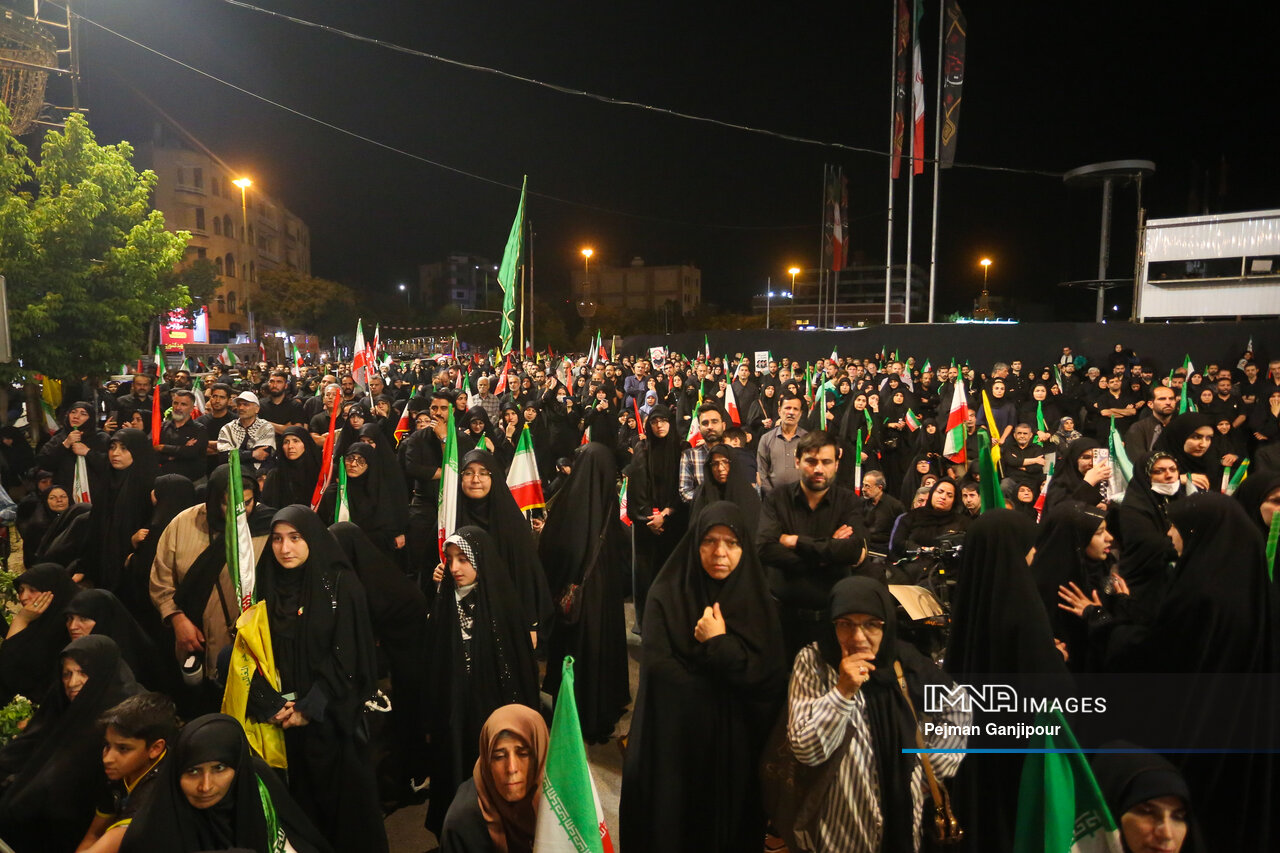
As the crescent moon of Muharram appears on the horizon, a profound transformation unfolds across Iran. Streets, squares, mosques, and homes gradually don the color of mourning, while black banners flutter in the summer breeze, signaling the arrival of one of the most significant periods in the spiritual and cultural life of the nation. The atmosphere changes perceptibly; voices soften, hearts become reflective, and communities prepare to commemorate an event that has shaped the conscience of generations for nearly fourteen centuries.
Iran (IMNA) - Muharram is not merely the first month of the Islamic calendar. For millions of Iranians, it is a season of remembrance, devotion, and renewal—a time when the story of Karbala is retold not as a distant historical event, but as a living source of inspiration. The sacrifice of Imam Hussein (AS), his family, and his companions continues to resonate deeply, carrying universal messages of justice, dignity, courage, and resistance against tyranny.
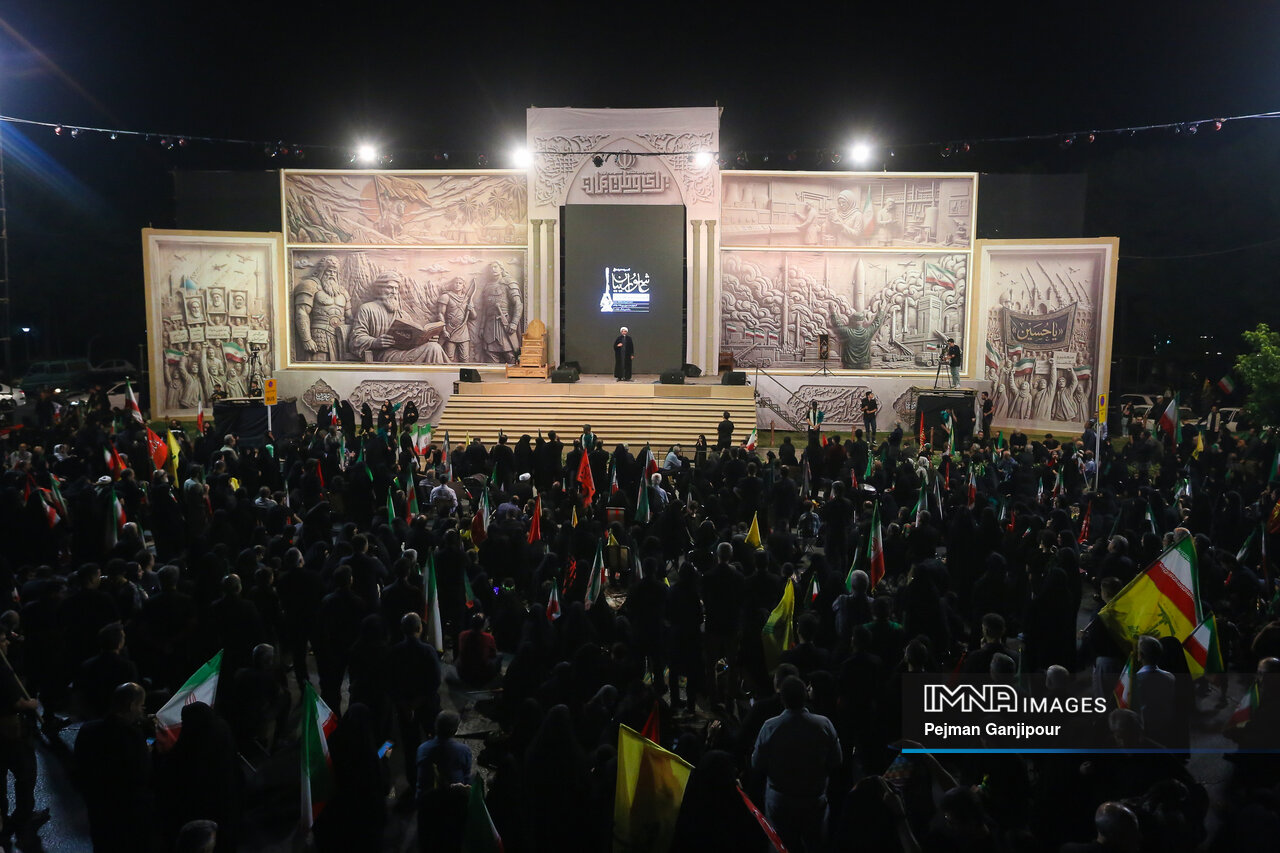
Across the country, preparations for mourning ceremonies begin long before the first day of Muharram. Mosques and religious centers are decorated, community groups organize gatherings, and volunteers dedicate countless hours to serving mourners. In cities large and small, from bustling urban centers to remote villages, a shared spirit of reverence unites people from different backgrounds and generations. The sounds of elegies and recitations gradually replace the ordinary rhythm of daily life, creating an atmosphere unlike any other time of the year.
What makes Muharram unique is its ability to bridge the past and the present. The events of Karbala, which occurred in 680 CE, continue to inspire contemporary reflections on moral responsibility and social justice. For many, the month serves as an annual reminder that principles should not be sacrificed for convenience and that standing for truth often requires courage and sacrifice. These values have ensured that the message of Karbala remains relevant across centuries and cultures.
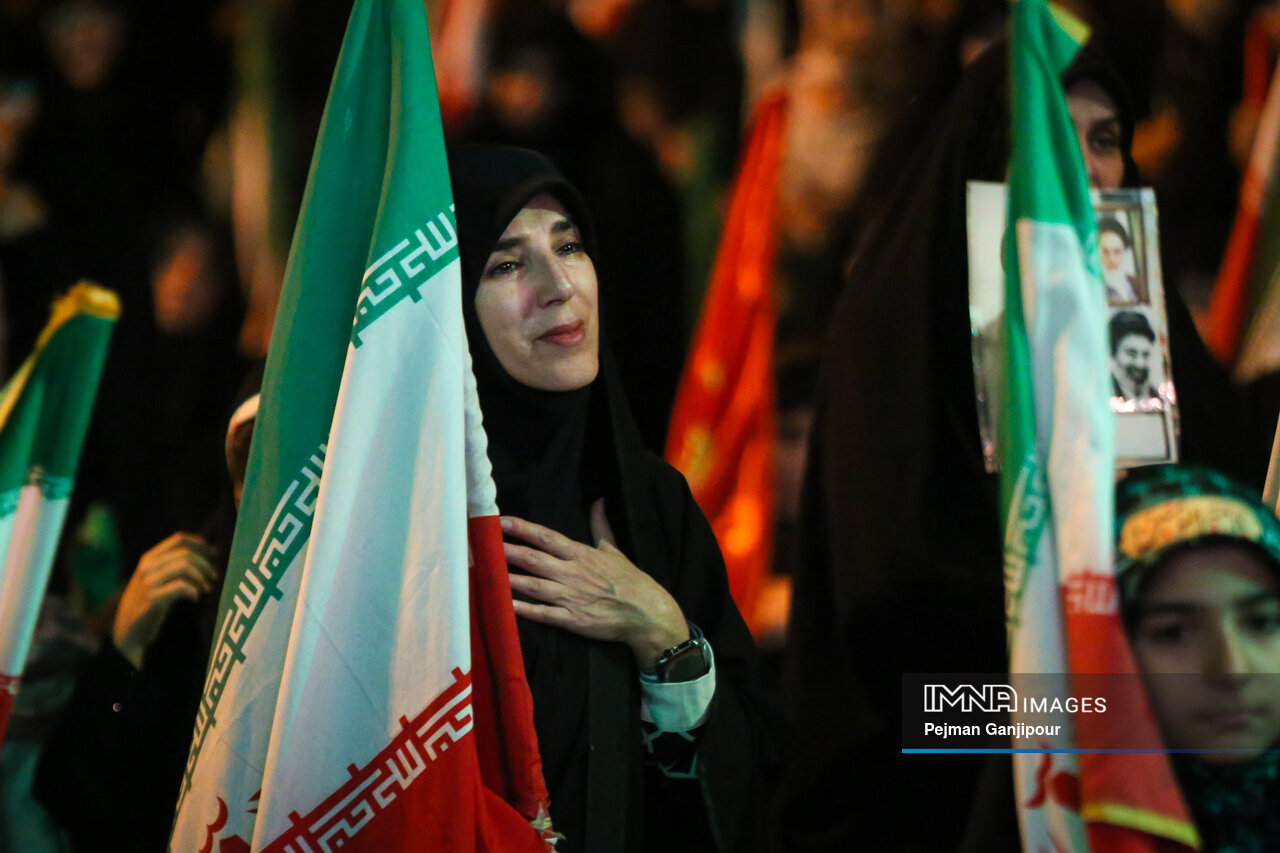
The visual landscape of Iran during Muharram is equally striking. Black draperies cover public spaces, symbolic standards and banners are raised, and candlelit gatherings create scenes of solemn beauty. Yet beyond the visible symbols lies a deeper emotional connection. Families gather to attend ceremonies, children learn the stories and traditions associated with the month, and communities strengthen bonds through collective remembrance and acts of charity.
Muharram is also a time of generosity and social solidarity. Throughout the month, countless people volunteer their time and resources to serve others. Acts of kindness, hospitality, and communal support become integral parts of the observance, reflecting the ethical and humanitarian dimensions of the legacy of Imam Hussein (AS). In this way, remembrance is transformed into action, and mourning becomes a catalyst for compassion.
As the sacred month begins, Iran once again becomes a vast tapestry of faith and memory. The names of Karbala echo through cities and villages, while millions of hearts turn toward a story that transcends time and geography. Muharram arrives carrying sorrow, but also hope; grief, but also inspiration. It reminds humanity that truth can endure against overwhelming odds and that the light kindled in Karbala continues to illuminate the path of freedom, justice, and human dignity.
In every black banner raised and every elegy recited, the enduring message of Muharram lives on: that principles are worth defending, that sacrifice can transform history, and that the legacy of Karbala remains a timeless beacon for all who seek justice and truth.






Your Comment