Hegmataneh, an ancient jewel of Iranian heritage, stands as one of the oldest and most enduring cities of antiquity.
Iran (IMNA) - Founded by the Medes in the 17th century BCE, it is not only a cradle of early Iranian civilization but also a rare extant marvel alongside cities like Athens and Rome. Its monumental ruins span nearly three millennia of continuous habitation, reflecting layers of Median, Achaemenid, Parthian, Seleucid, and Sasanian presence.
This ancient city, known in Greek sources as Ecbatana, served as the Median kingdom's capital and later as a strategic summer residence for successive empires. The archaeological site covers about 30 hectares, a place where robust constructions—remarkable for their durable materials and intricate urban planning—still whisper stories of a grand past. The ruins include a citadel with seven concentric walls, each colored according to planetary symbolism, and palatial complexes adorned with exquisite woodwork overlaid in gold and silver.
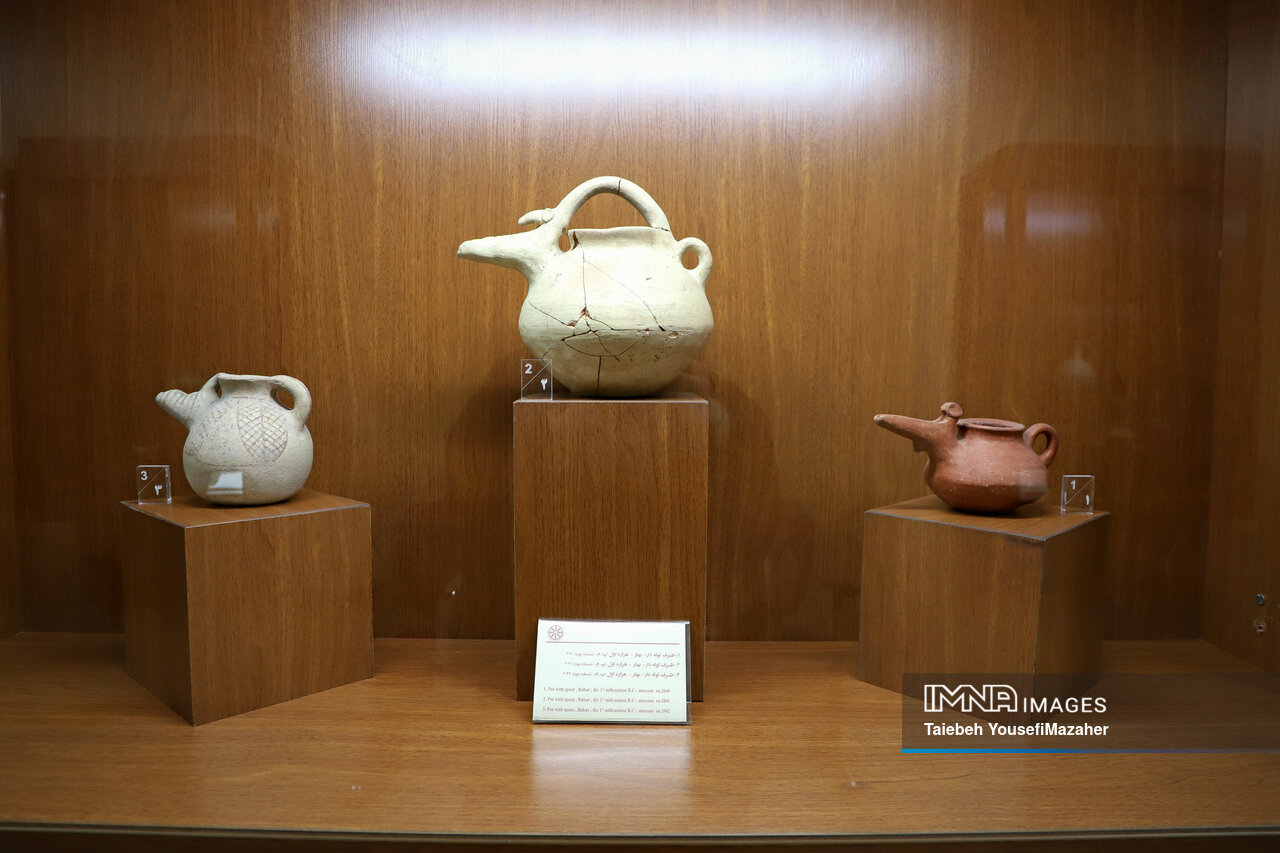
Hegmataneh’s historical significance is heightened by its cultural treasures: golden and silver artifacts from the Achaemenid era, inscribed tablets linked to the ancestors of Darius the Great, and famed golden rhytons discovered in the area. The site embodies the artistic and architectural prowess of the Medes and their successors and serves as a testament to the rich human narrative woven across millennia.
In 2024, UNESCO inscribed Hegmataneh on the World Heritage List, recognizing its invaluable testimony to ancient Iranian civilization and its symbolic role as a unifying emblem for the diverse ethnic groups of Iran. The modern city of Hamedan, which now encompasses the ancient mound, continues to be an intellectual and spiritual hub grounded in this profound historical legacy.
Standing on Hegmataneh Hill today, one senses more than an archaeological site; it is a living monument to the endurance of culture, the passage of empires, and the artistic flowering of ancient Iran—a place where history and memory converge beneath the gaze of Mount Alvand, bridging past and present in a continuum of civilization.




Your Comment