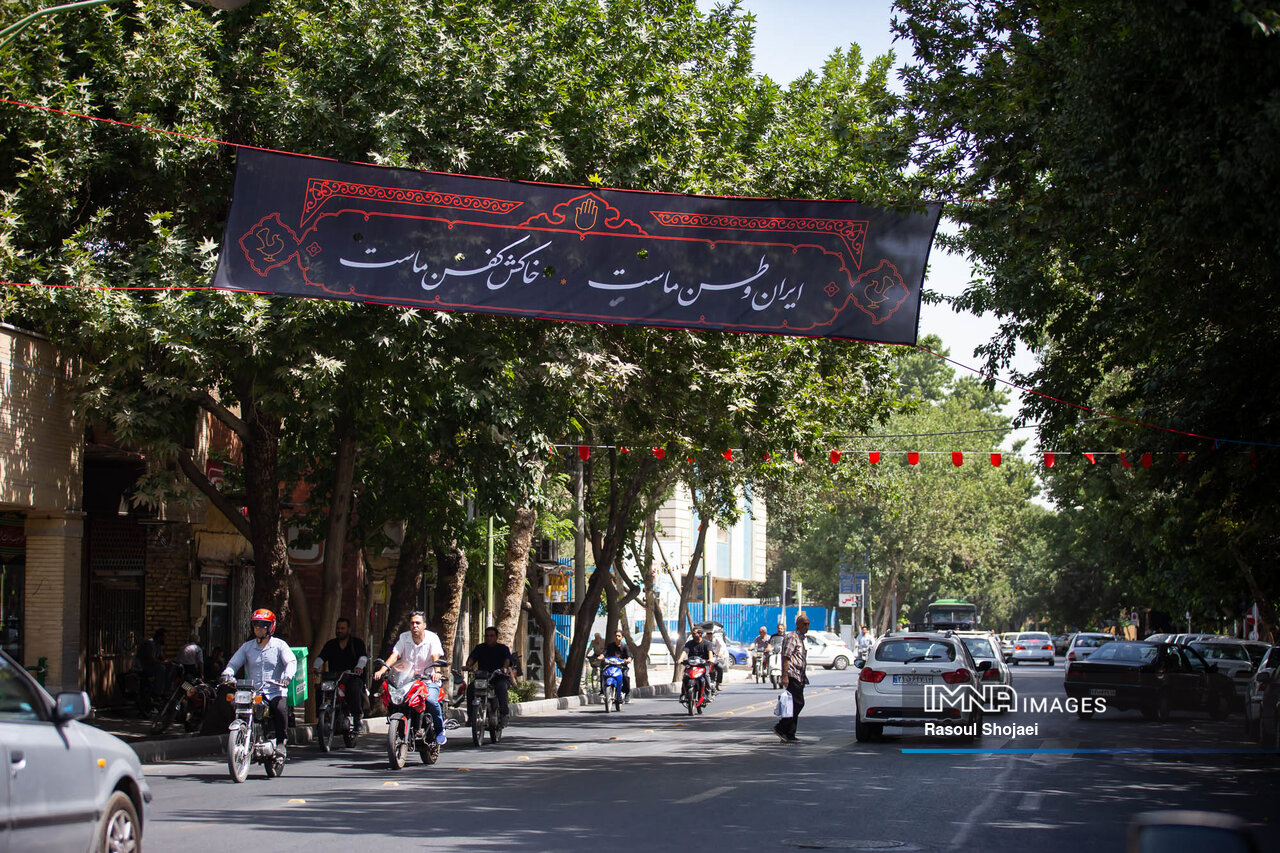
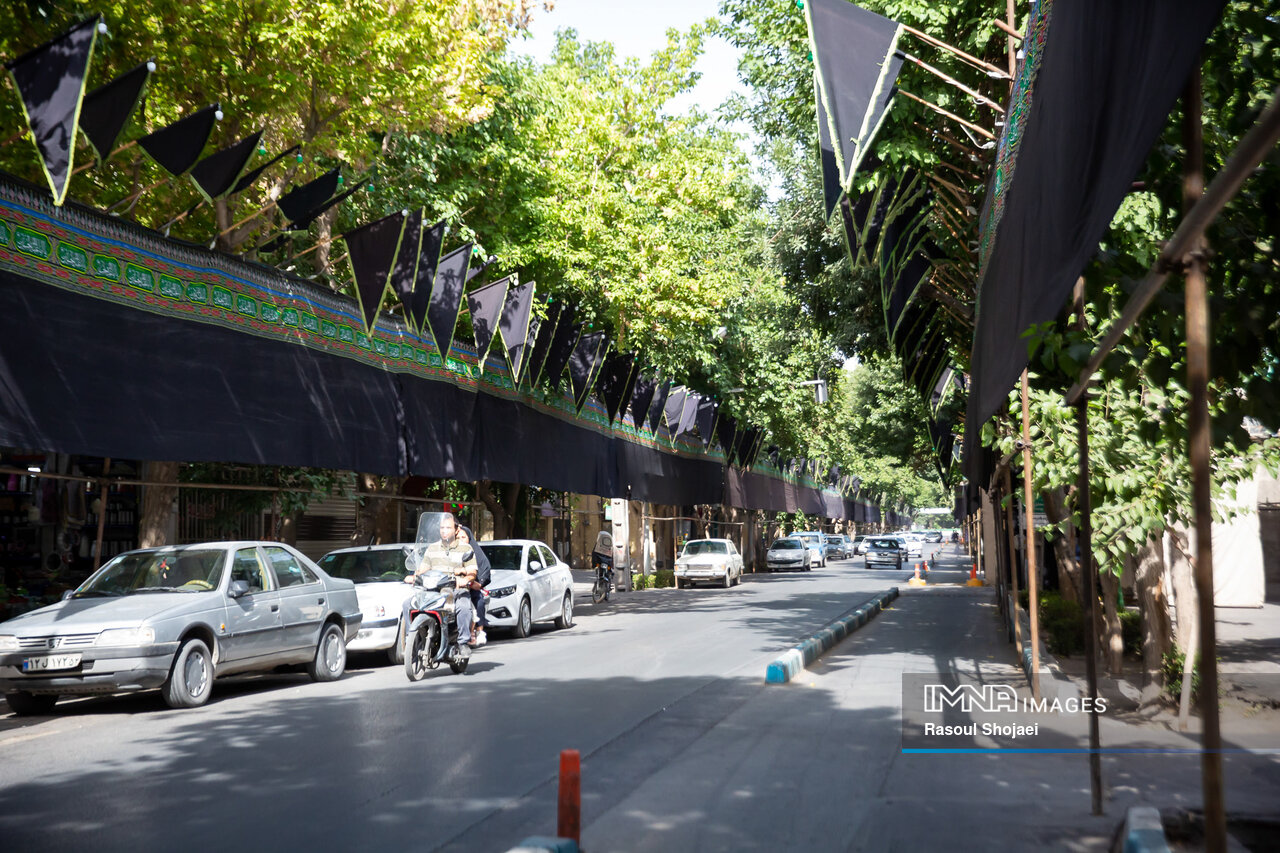
As the month of Muharram unfolds, the atmosphere in Iranian streets and cities transforms into a tapestry of deep reverence and vibrant cultural expression.
Iran (IMNA) - The air is thick with a palpable sense of mourning and reflection, as communities come together to commemorate the martyrdom of Imam Hussein, the grandson of the Prophet Muhammad, at the Battle of Karbala.
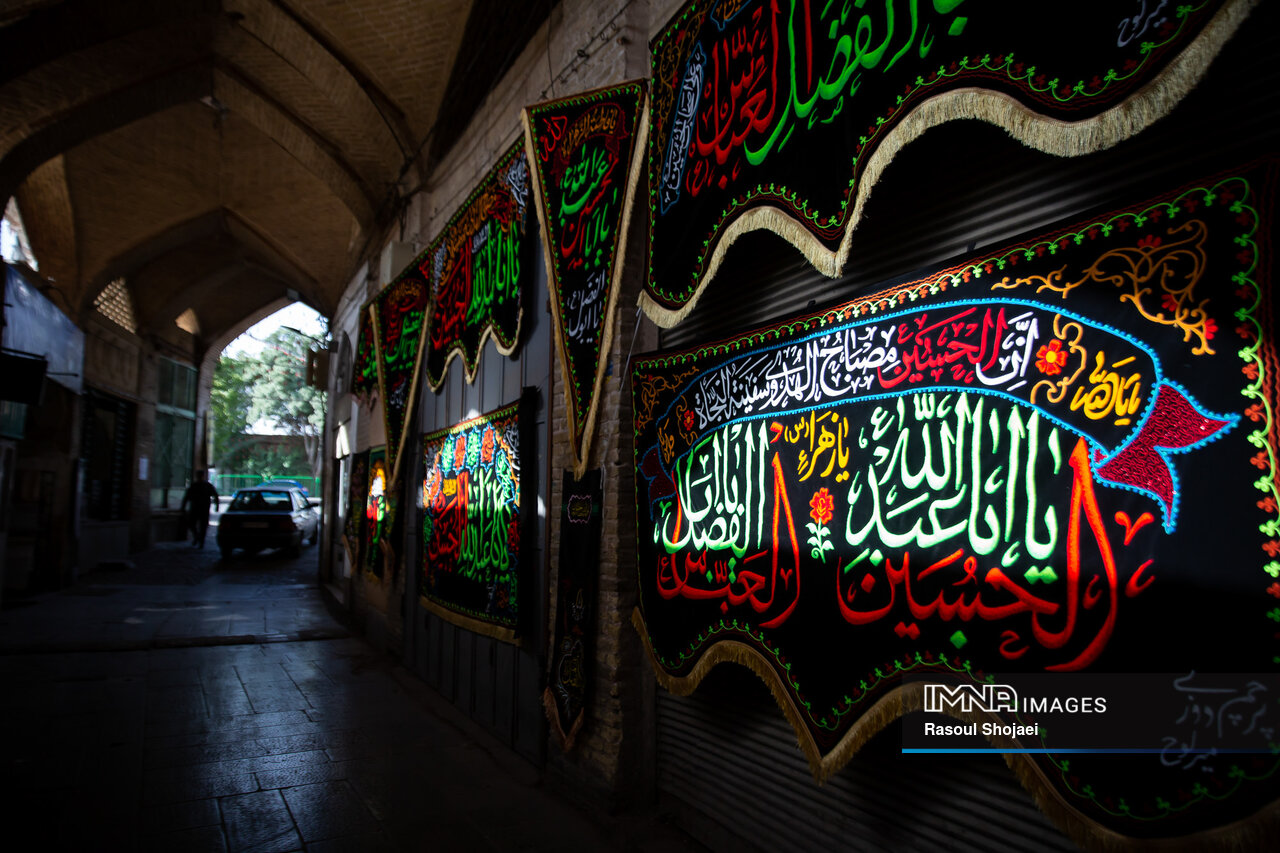
In the early days of Muharram, the streets are adorned with black banners and flags, symbolizing grief and solidarity. Shops and homes display intricate decorations, often featuring verses from the Quran and poignant phrases that honor the sacrifices made during this pivotal moment in Islamic history. The sound of drums and the mournful wails of lamentation echo through the alleys, drawing people into a collective remembrance.
The flickering lights of candles and oil lamps illuminate the faces of those gathered in husseiniyahs (mourning halls) and mosques. Here, the faithful gather to listen to passionate recitations of elegies, known as "marsiyeh," which recount the tragic events of Karbala. The mourners, dressed in black, sway gently to the rhythm of the poetry, their hearts heavy with sorrow yet united in purpose.
Children, too, play a significant role in the Muharram atmosphere. Dressed in miniature versions of traditional mourning attire, they carry small flags and participate in processions, their innocent faces reflecting the solemnity of the occasion. Their laughter, juxtaposed with the somber chants of adults, creates a unique harmony that encapsulates the spirit of Muharram—a blend of sorrow and hope.
In the quiet moments, away from the crowds, one can feel the weight of history in the air. The stories of those who stood against tyranny echo in the hearts of the people, reminding them of their own struggles and the importance of standing up for what is right. Muharram is not just a time of mourning; it is a period of awakening, reflection, and a call to action.






Your Comment