
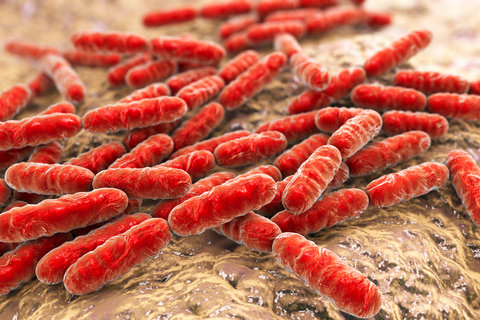
Iran (IMNA) - According to the Islamic Republic of Iran News Agency (IMNA), infectious diseases occur when harmful microorganisms invade the body and multiply. Transmission routes include close contact with infected individuals, consumption of contaminated food or water, insect vectors, and airborne droplets. A weakened immune system significantly increases susceptibility to these infections.
Clinical manifestations vary widely and may include fever, headache, gastrointestinal disturbances, and in more severe cases, infections of the respiratory system, central nervous system, or other vital organs. Fever is often among the earliest signs of infection.
Gastrointestinal and Fungal Infections
Gastrointestinal infections result from the ingestion of bacteria, viruses, or parasites, commonly through contaminated food or water, poor personal hygiene, or contact with contaminated objects or individuals. Environmental factors such as consuming unwashed fruits and vegetables, undercooked meat or fish, and unsafe drinking water are frequent sources of infection.
Fungal infections occur when the normal microbial balance of the body—particularly in areas such as the vagina or skin—is disrupted, allowing fungi to overgrow. Common predisposing factors include antibiotic use, uncontrolled diabetes, immunodeficiency, hormonal changes (such as pregnancy or contraceptive use), excessive moisture, and wearing tight clothing. Transmission may also occur through contact with contaminated soil, infected animals, or shared personal items.
With advances in medical science, many infectious diseases can now be effectively controlled through vaccination and appropriate pharmacological treatments. Maintaining personal hygiene, strengthening the immune system, and avoiding exposure to contaminated sources remain the cornerstones of prevention. Regular handwashing with soap and water for at least 20 seconds, vaccination, proper food handling, and adherence to infection-control measures—especially in high-risk environments such as hospitals—are essential.
Expert Insight: Fungal Infections Should Not Be Self-Treated
Mohammadreza Nazer, a specialist in infectious diseases, explains that infectious diseases occur when pathogenic microorganisms invade the body, and whether disease develops largely depends on the strength of the immune system. Individuals with a robust immune response may never develop clinical disease despite exposure. However, when immunity is compromised, even organisms that normally coexist harmlessly with the human body—such as certain fungi—can cause infection.
He notes that fungi represent a more complex group of pathogens compared to bacteria and that fungal infections vary by geographic region. Most superficial fungal infections affect only the skin and do not penetrate deeper tissues. However, secondary bacterial infections may develop on top of fungal lesions, leading to more severe skin disease.
Nazer emphasizes that fungal infections should not be treated with traditional or self-prescribed remedies. Accurate diagnosis through laboratory testing, including smear and culture, is essential. Inappropriate or delayed treatment may lead to resistance and treatment failure. Antifungal medications must be prescribed by a physician based on the specific pathogen identified.
Viral and Bacterial Gastrointestinal Infections
Farzin Khoroush, a specialist in infectious and internal medicine, explains that gastrointestinal infections may be caused by viruses, bacteria, or bacterial toxins. For example, food contaminated with toxins produced by organisms such as Staphylococcus or Bacillus species can cause nausea, vomiting, abdominal pain, and diarrhea within one to six hours of ingestion. These illnesses are typically short-lived, self-limiting, and resolve within 24 hours with supportive care; antibiotics are not indicated.
Other pathogens, such as Escherichia coli, may produce toxins within the intestine, leading to non-inflammatory diarrhea characterized by large-volume watery stools without fever, blood, or severe abdominal pain. These cases also usually resolve within 24 to 48 hours without antibiotic therapy.
In contrast, invasive pathogens such as Shigella or non-typhoidal Salmonella invade the intestinal mucosa, causing inflammatory diarrhea with fever, abdominal cramping, frequent small-volume stools, and sometimes blood in the stool. In such cases, antibiotics may be necessary but must be prescribed judiciously by a physician.
Rational Use of Antibiotics
Khoroush stresses that antibiotics should never be used indiscriminately. Overuse can lead to gastrointestinal side effects, disruption of normal gut flora, and increased antimicrobial resistance. When antibiotics are indicated, treatment courses for acute diarrheal illnesses are typically short—usually three to five days—and selected agents should have minimal adverse effects.
Dehydration remains the most serious complication of diarrheal diseases, particularly in children and the elderly. Prompt fluid and electrolyte replacement is critical to prevent severe complications affecting the brain, kidneys, and other organs.
Infectious diseases encompass a broad range of conditions caused by bacteria, viruses, fungi, and parasites. While many are treatable with appropriate medications, the choice and duration of therapy depend on the causative organism and disease severity. Bacterial infections may require antibiotics, fungal infections antifungal agents, and viral infections antiviral therapy or supportive care. Some infections, such as prion diseases, currently have no effective treatment, while others like HIV require long-term management.
Accurate diagnosis, avoidance of self-medication, and adherence to evidence-based medical guidance are essential for effective treatment and prevention of complications.
Your Comment