

Iran (IMNA) - Yalda is not merely an astronomical event marked on a calendar. It is a living, breathing testament to human resilience, a night when families gather to defy the encroaching darkness with warmth, laughter, and the timeless rituals of togetherness. On this evening, as night stretches endlessly across the sky, Iranians light fires, share pomegranates and watermelons, and whisper poetry into the darkness—as if each word is a small flame meant to pierce the veil between seasons.
The Night That Swallows the Sun
The word "Yalda" itself carries the weight of ancient Aramaic roots, meaning "birth." How fitting that the longest night should be called a birth—for from this darkness emerges the promise of returning light. On this night, the sun has traveled as far south as it will ever go, and the darkness has claimed more hours than light could ever hope to reclaim. Yet in this mathematical triumph of shadow, there lives a profound paradox: this is the night when hope is born anew.
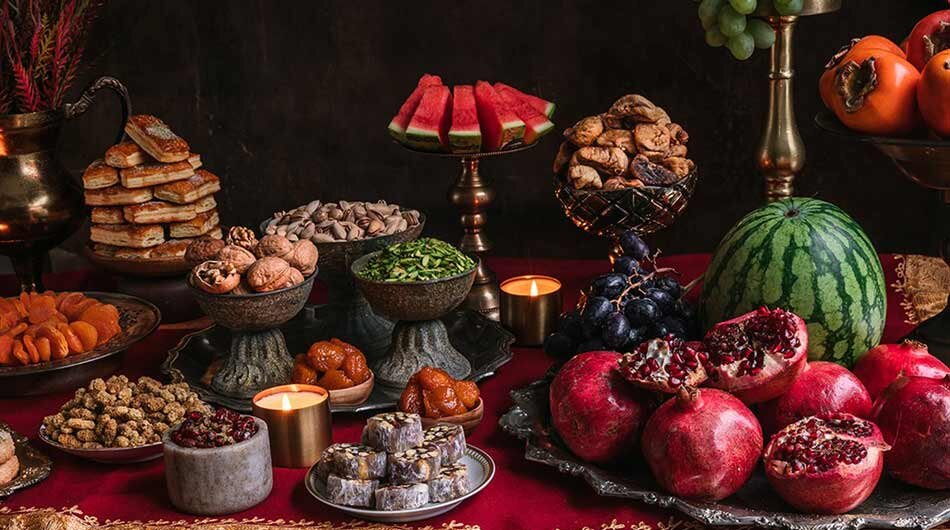
In the mountains of the Alborz, in the bustling streets of Tehran, in the quiet villages along the Caspian shores, and in the deserts where stars multiply against the blackness, the same ritual unfolds. Families gather around tables laden with fruits that seem to glow with inner light—ruby pomegranates split open like hearts, watermelons that carry the memory of summer within their pink flesh, dried fruits arranged in careful patterns, and nuts that crack beneath teeth to reveal their tender sweetness.
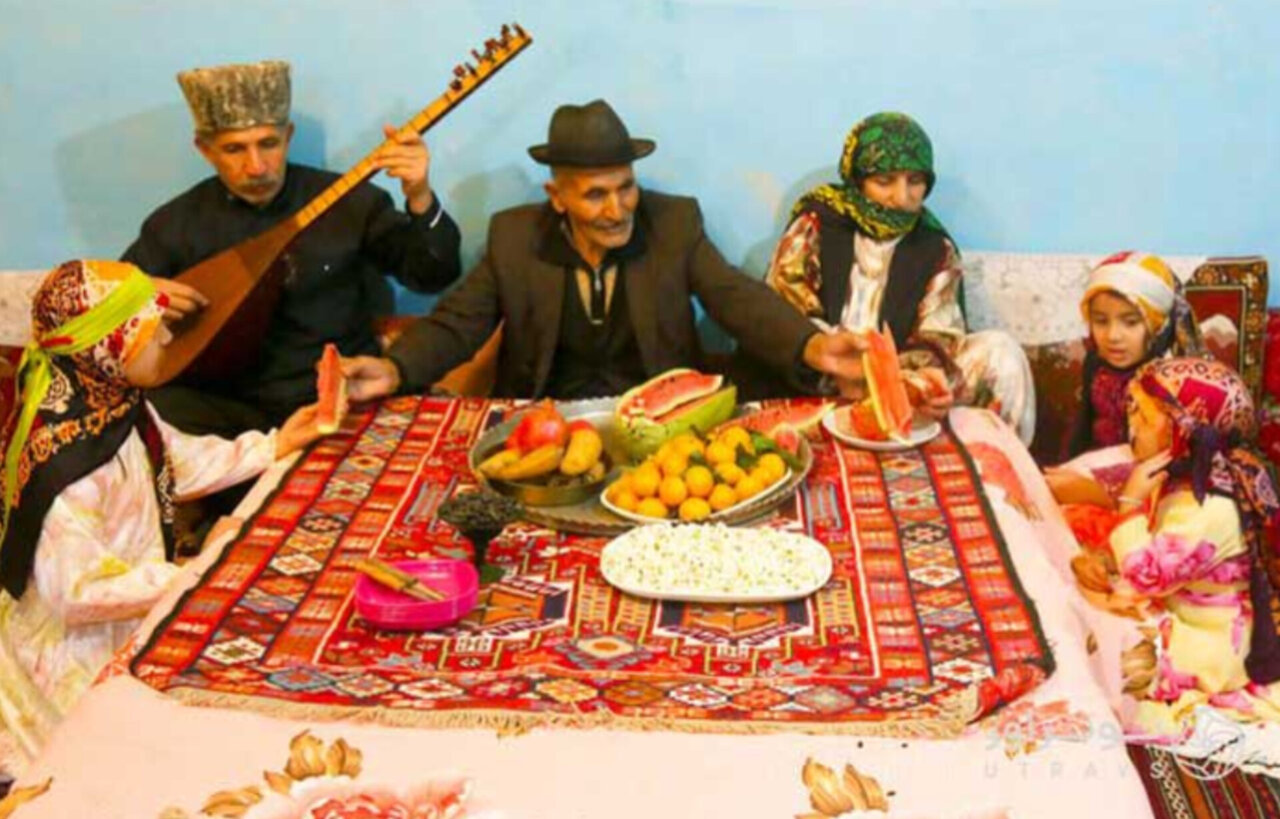
The pomegranate, in particular, holds a great place in Yalda. Its red flesh is said to mirror the color of the rising sun, a sympathetic magic that declares to the darkness: "You may have won tonight, but the sun will return." As families share pomegranates around the fire, they are partaking in an act as old as Persian civilization itself—a communion with the cycle of seasons, a promise to endure.
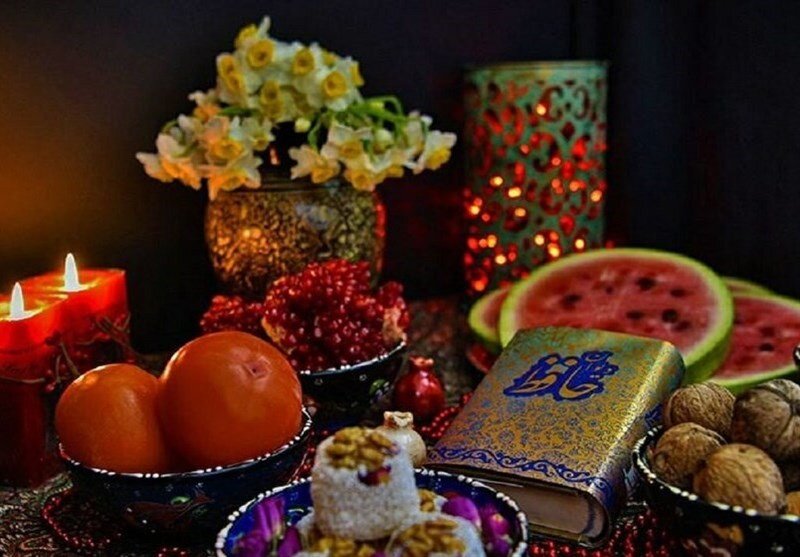
But Yalda is more than fruit and fire. It is a night of storytelling, when families stay awake to greet the dawn, when grandmothers unfold the pages of the Shahnameh—the great Persian epic—and recount the tales of legendary heroes. These stories, passed down through countless generations, carry within them the accumulated wisdom of a civilization. They speak of struggle and triumph, of love and loss, of the eternal human quest to find meaning in a universe that often seems indifferent to our longings.
A Night of Reunion and Remembrance
In modern Iran, Yalda has become a night of profound social significance. Despite the pressures of contemporary life—the rush and fragmentation that characterize modern existence—families still gather on this night. The ritual has adapted but not lost its essence. Where once families might have sat around a fire in a single room, they now gather in living rooms lit by electric light, but the warmth they seek and find is the same warmth their ancestors sought centuries ago.
Yalda is a night for reconciliation, for mending broken bridges, for speaking the words that have remained unspoken for too long. There is something about this particular night that softens hearts and opens tongues.
Your Comment