

Iran (IMNA) - These days, EVs actually make sense—for your wallet, your daily routine, and even the air you breathe. Let’s start with the money. Charging at home, especially late at night when rates drop, cuts costs even further. Forget oil changes and the usual repairs—EVs don’t have oil filters, timing belts, clutches, or complicated gearboxes. That means less to fix and less to worry about.
Maintenance runs 30–40% cheaper in the first three years, and most electric motors last over 500,000 km. The batteries? They’re guaranteed for up to eight years or 160,000 km, and newer models are pushing for lifespans as long as 15 years. Some cities even throw in free or discounted parking for EVs—just one more reason people are making the switch. But it’s not just about saving money. EVs are smooth, quiet, and even fun to drive.
Having automatic braking, lane assist, and a low centre of gravity has made driving by EVs on the streets much safer. EVs also don’t release CO₂, fine particles, or nitrogen oxides while driving, so they’re a perfect choice for cleaning up urban air. Governments and city leaders aren’t just sitting back, either. They’re building charging stations, offering financial incentives, cutting taxes, and putting all sorts of laws in place to make it easier to own and drive these cars.
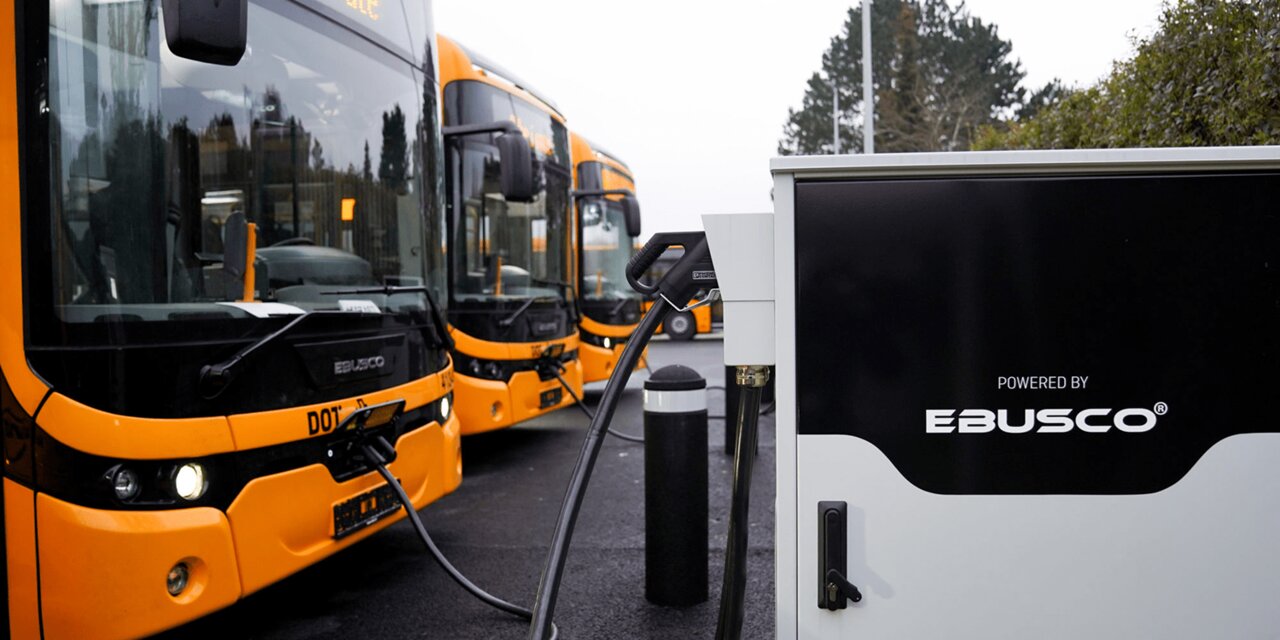
Take Oslo, Amsterdam, Beijing, or Shanghai into account. They’re all proof that electric transportation actually works. It’s a real fix for cleaner air, less energy waste, and breaking free from fossil fuels. This worldwide trend has also affected urban transportation policies in Iran. Metropolises that face grave problems of air pollution and traffic are paying more attention than ever to the use of electric vehicles and fleets as a practical option.
Isfahan, as one of the country’s industrial and busiest cities, has taken steps to lead this path in recent years, from planning to develop electric public transportation to creating initial infrastructure and pilot projects in the city.
Electric buses will soon enter Isfahan transportation fleet
Isfahan is witnessing a significant growth in the use of electric vehicles on the path of developing clean transportation; statistics indicate a more than 600 percent increase in the number of personal electric vehicles in the city. Having already 180 electric taxis in the public transportation fleet, the first series of electric buses will also enter the transport circuit soon to fulfill the city's ambition to have the cleanest urban mobility.
Isfahan's urban management efforts to reduce air pollution and improve the quality of urban life have centered on the development of clean transportation in recent years. In this regard, green taxis have entered the public transportation fleet as one of the pillars of the transition program to a zero-emission transportation fleet, and currently, 180 electric taxis are operating in the city, and this number is set to increase.
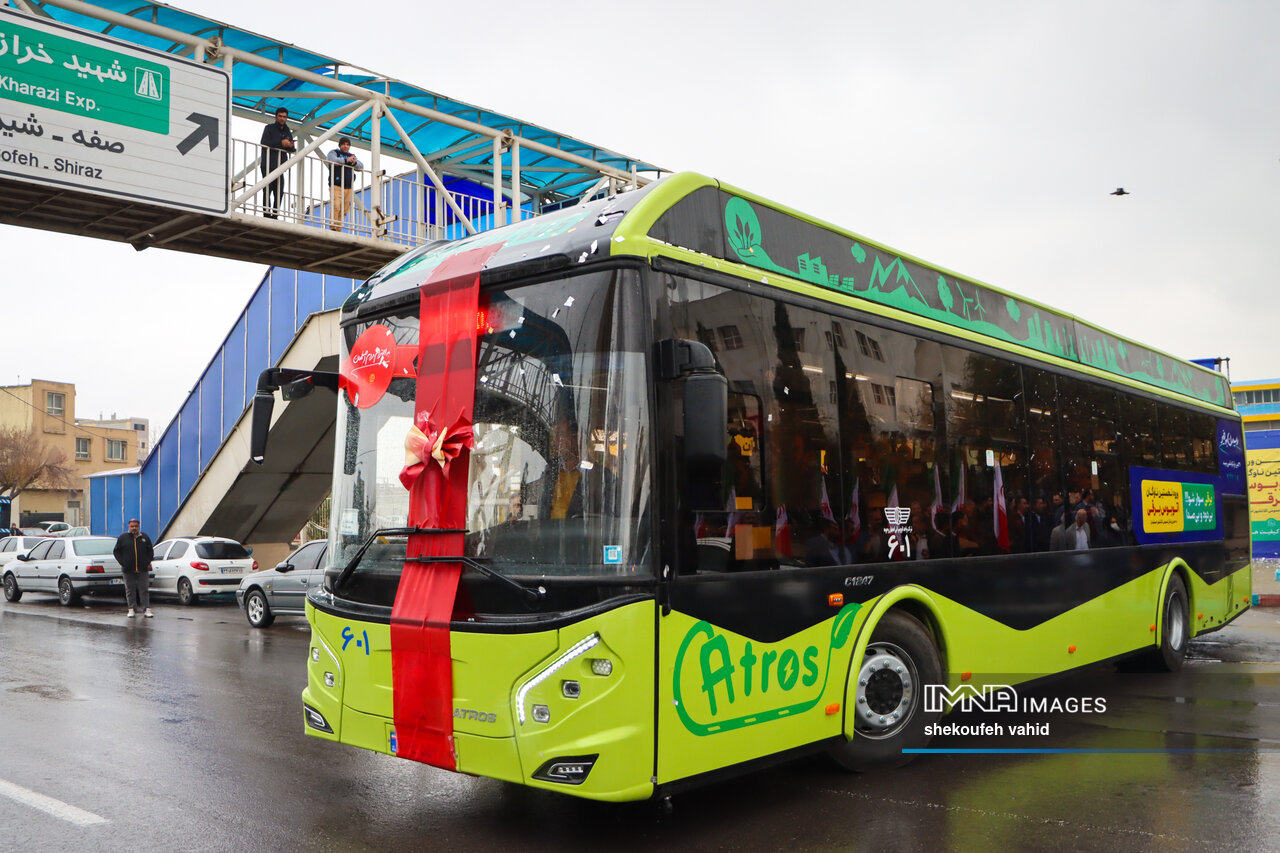
City officials say they’ve kept pace with the growing electric fleet by setting up the right infrastructure, including plenty of charging stations to make e-mobility more practical in the city. And people seem to be catching on. New statistics show there are now about 700 to 800 privately owned electric vehicles on the streets of Isfahan. Just last year, that number was barely 100. So, we’re looking at a jump of over 600 percent. It’s not just about the numbers, either—there’s a real shift happening as more people start making clean vehicles part of daily life.
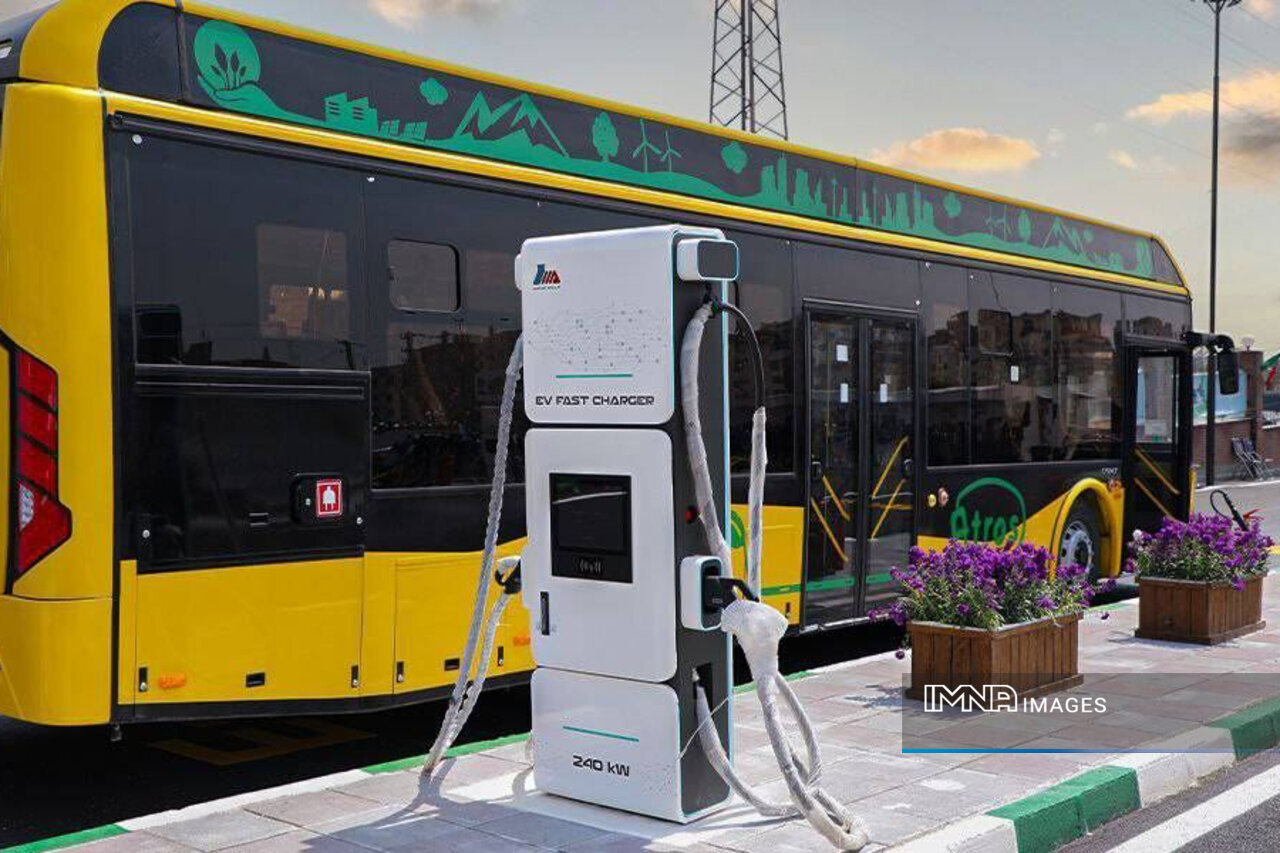
Local experts finally get to flex their skills with these new electric buses made right here at home. They’re just as big and roomy as the usual 12-meter diesel buses, and come with all the same features. Right now, Isfahan already has 78 public charging stations up and running. There’s also a dedicated charging spot for electric buses coming soon. This kind of infrastructure isn’t just nice to have—it’s essential for keeping electric transport moving forward and making sure these buses stay on the road.
Researchers studying Isfahan’s urban transport noticed something pretty clear: electric buses stick to the city center. Makes sense, right? That’s where traffic crawls and the air gets thick. Isfahan’s move toward electric vehicles isn’t unique, either. Cities everywhere are jumping on this trend. It's a solid step—less pollution, better air, a nicer city to live in.
It is noteworthy that the switch isn’t easy. The costs add up fast, the infrastructure needs constant attention, and getting everyone to actually use these new buses can be tricky. Both city officials and locals have to wrestle with these issues if they want things to really change.

Your Comment