

Iran (IMNA) - Isfahan and Porto, coming from two different continents, different languages, different histories, and even different climates, meet at a very delicate and ancient crossroad: the blue tiles. Not only have they been brought together as two sister cities in an official memorandum of understanding, but before any signature or document, their souls were linked by a color; the blue of the Naqsh-e-Jahan tiles and the turquoise of the Sheikh Lotfollah Mosque against the white and azure azulejos of Porto that have transformed the walls of Sao Bento Station and historic churches into a living album of beauty.
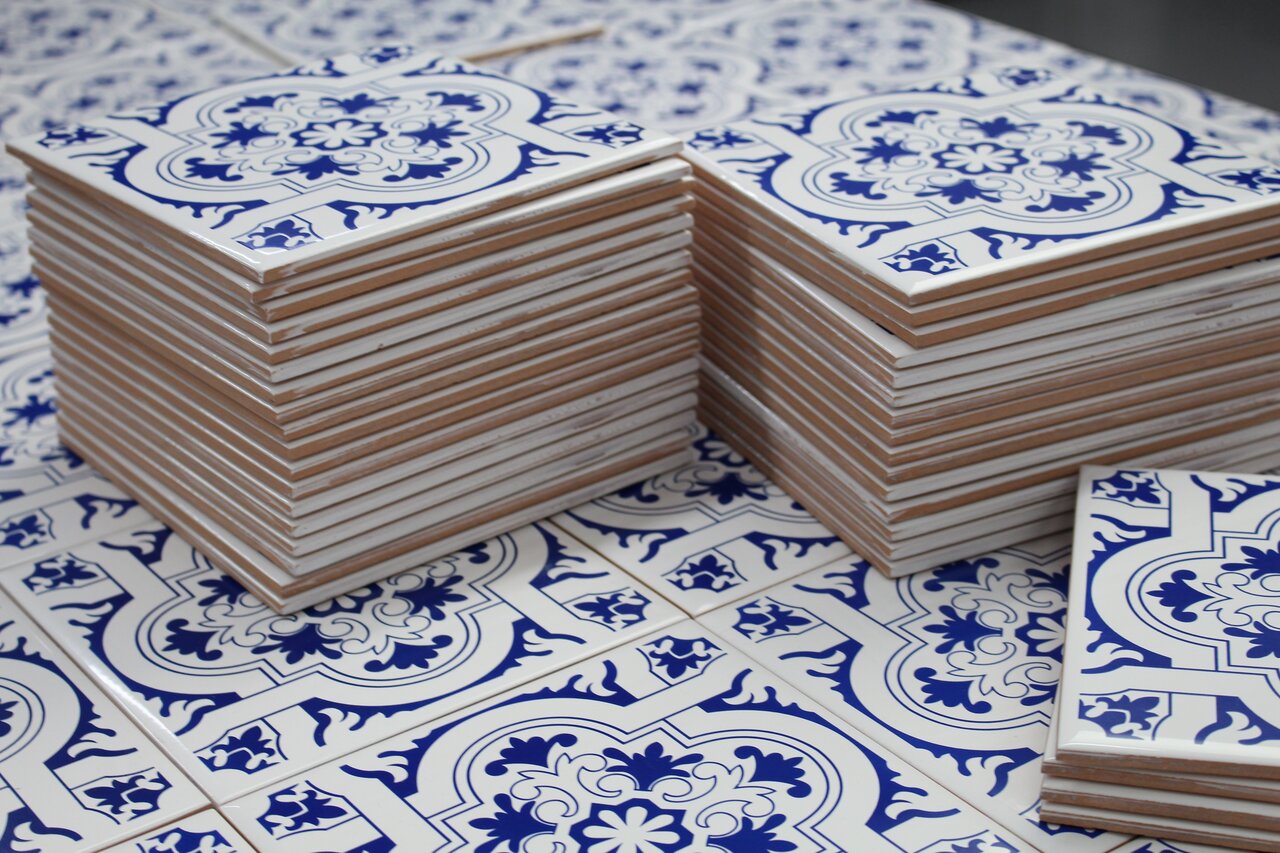
Isfahan and Porto United by the Language of Blue
In both historic cities, blue is more than just a color; it is a shared language of culture and history. It is a collective memory passed down through centuries. This long-standing tradition runs deep, continued by generations of art lovers, from Islamic tilework in Andalusia and Iran to the tiny pigments fired in kilns and shaped by master hands that seemed to set the sky onto the earth. Tilework in Isfahan, especially since the Safavid era, has told stories of beauty and spirituality. In Porto, azulejo tilework has become more than decoration, serving as a visual history of the nation. In both cities, tiles are not seen as simple wall coverings, but as the visual literature of the city, recording people, rituals, faith, myths, and everyday life.
This commonality takes the sisterhood of Isfahan and Porto beyond the level of a typical urban tie. When an Iranian in Porto feels that same wave of familiarity seeing blue tiles as a Portuguese traveler does staring at the mosaics in Naqsh-e Jahan Square—yes, that’s when diplomacy gets a heartbeat. Suddenly, it’s not about stiff handshakes or endless speeches around politics. Culture turns into this silent language. No need to say a thing. Just lean against a wall, soak the beauty in, and breathe. That’s the real magic of history: places connecting, not because anyone told them to, but because beauty knocks down the borders. It’s not politics meeting politics. It’s just people, heritage, and the stuff we build that stick us together.
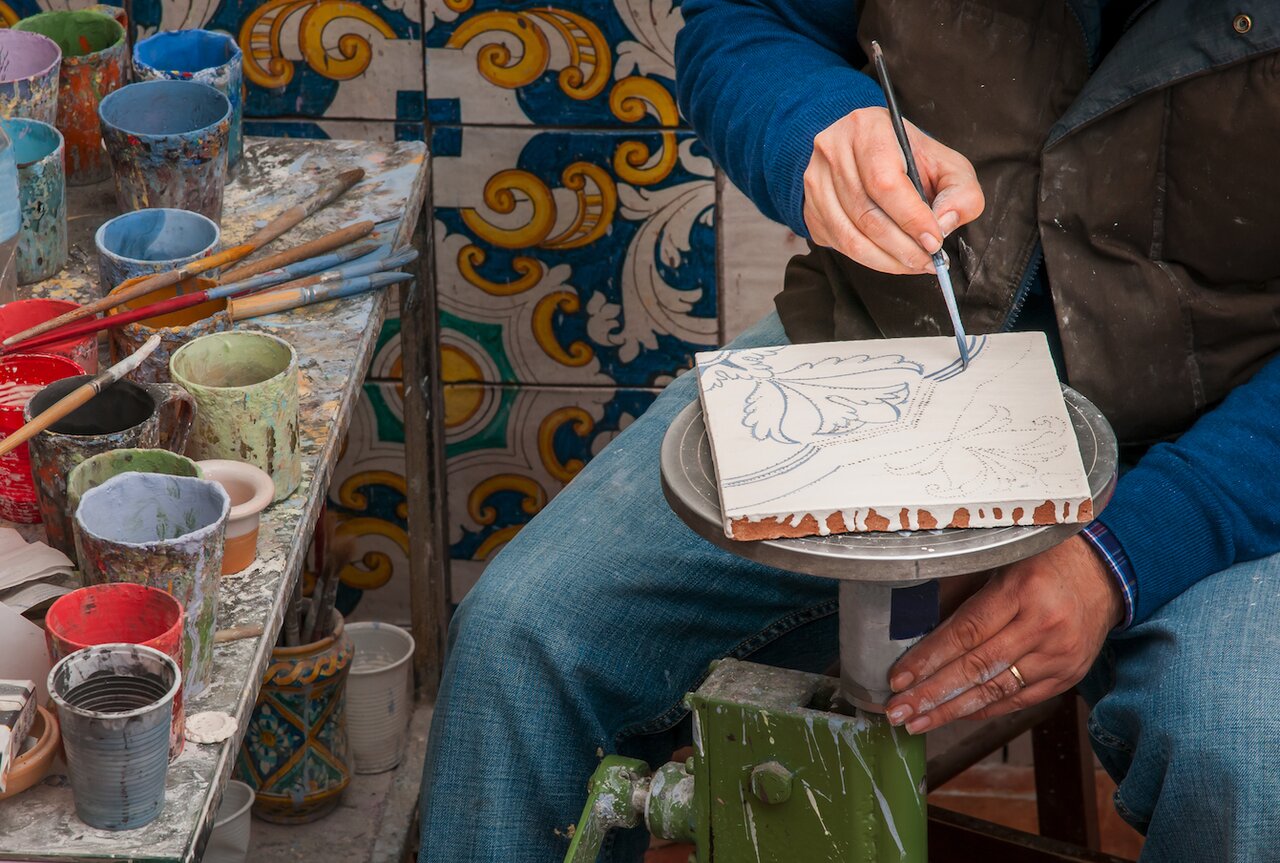
Holding a joint tile exhibition, the exchange of restoration and maintenance experiences, the travel of skilled artists and architects, and even the creation of contemporary projects inspired by this common blue, can turn two distant shores of art into a bridge. In a world where differences often drown out conversation, Isfahan and Porto remind us that sometimes a single color can be the language of peace. A city with domes that carry the sky and a city with walls that have engraved history stand side by side to prove that beauty is the world’s best diplomat.
Blue tiles are silent but living ambassadors; messengers who, with every glance, invite us to peace, roots, and bonds beyond borders. If today these two cities are sisters, before that, they were already kindred spirits; two visions of a single color, two translations of the same beauty, two narratives of an art that can still light up dialogue between nations and create a brighter future.

Your Comment