
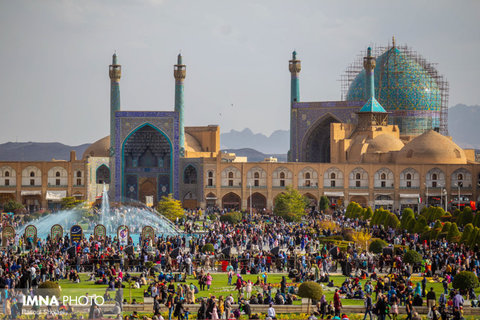
Iran (IMNA) - Isfahan has pulled research out of the shadows and placed it at the heart of urban planning. Urban management today isn’t just about fixing potholes or collecting trash. It’s a complex science, one that draws on sociology, economics, engineering, environmental studies, culture, and even civic psychology.
Research is the backbone of modern urban governance
In such a context, research is recognized as the backbone of urban governance; a tool that can separate the path of development from trial and error, then base the managers’ decisions on data, analysis, and collective wisdom. Municipalities, as public and social institutions that have the most contact with citizens’ daily lives, need research more than any other institution. A dynamic and efficient city results from intelligent, knowledge-based decisions formed by a precise understanding of citizens’ needs, capacities, and behavior. From this perspective, urban research is not a side activity, but rather the foundation of sustainable development and the driving force of urban transformation.
In recent years, many municipalities across the country have tried to distance themselves from the traditional decision-making model and, in cooperation with universities, scientific centers, and think tanks, lay the groundwork for scientific urban management. However, the gap between knowledge and practice is still noticeable in many cities, and research remains at the level of plans and reports.
Isfahan leads the change
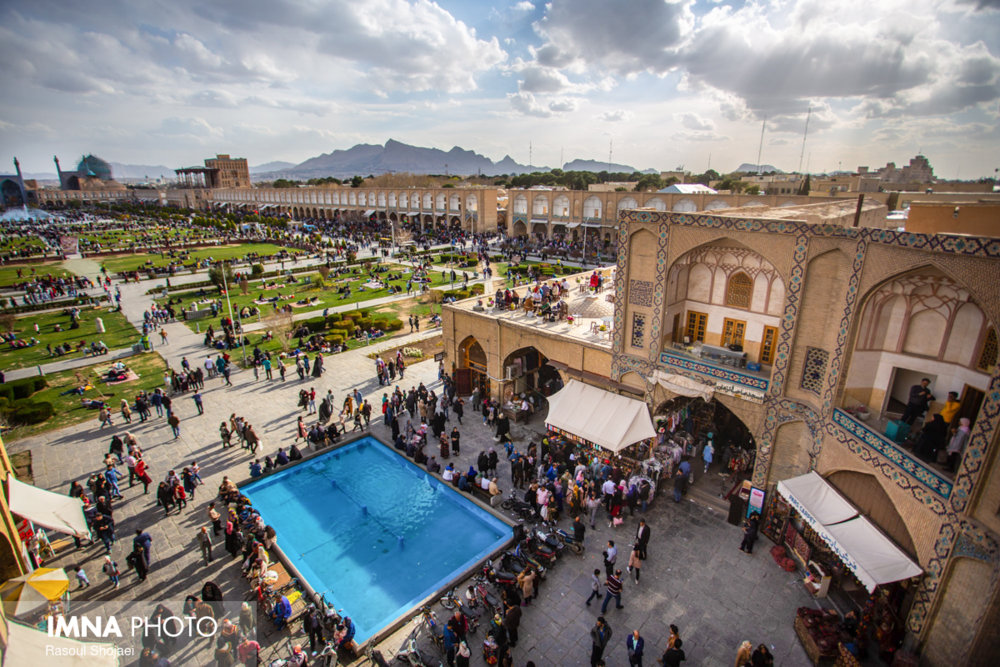
In the meantime, Isfahan Municipality is considered one of the leading institutions in transforming research into practice. With a strategic, forward-looking perspective, the Isfahan municipality has brought research from the margins into decision-making processes.
Isfahan isn’t just a city with deep roots in culture and civilization—it’s become a real-world testing ground for blending science with city management. The Deputy Department for Planning and Human Capital Development in the Isfahan Municipality has pushed forward more than 100 major research projects lately. These projects don’t just tackle technical headaches or administrative snags; they actually change things on the social, cultural, and environmental front, too. Isfahan proves that when city leaders rely on solid research and careful analysis, they boost productivity, make things more transparent, and, maybe most importantly, win people’s trust.
From studies on transportation and traffic flow to cultural research built around the idea of "Isfahan, the City of Life," and projects empowering women, each one shows how research can shape real decisions in the city. When the Isfahan Municipality Research Council came together—with voices from the Islamic City Council, Isfahan University, Isfahan University of Technology, Art University of Isfahan, Islamic Azad University, and other academic centers—it marked a shift. Now, urban decision-making has a new backbone, grounded in collaboration and expertise.

Elites and experts don’t just share their ideas—they feed them straight into policy. That way, research doesn’t sit on a shelf. It gets out there and shapes real decisions. Isfahan Municipality takes this seriously. They don’t stop at technical or engineering studies. They also dig into social and cultural questions, because you can’t build a city without understanding its people.
Look at their range—studies on the elderly, family, even the rituals around mourning in cemeteries. For Isfahan, research isn’t just about gathering data. It’s a tool to really get what urban life means.
Projects that redefine urban resilience
So far, the Isfahan Municipality has finished or started over 100 research projects. Now, they’re taking the next step: working even more closely with experts, universities, and the National Foundation of Elites. The goal is clear—tap into science to fix the city’s real challenges and push toward “knowledge-based urban management.” It’s not just about Isfahan. They’re aiming to set a standard for other big cities in Iran.
Take the "Surface Water Harvesting and Urban Flood Control" project. With a budget of 5.95 billion rials, it’s designed to tackle seasonal floods head-on. It’s not just a plan—it’s already in motion, backed by the Deputy Department of Urban Services across different districts. Provincial crisis managers have welcomed the project, and efforts are underway to secure national funding and scale it up. There’s also the "Traffic Calming Studies on Highest Speed Limit Roads," running on 17 billion rials, focused on cutting accidents and smoothing traffic in the city.
Then there’s the push to rethink the rules for bringing public art into city spaces. That’s more than decoration—it’s about making the city itself more vibrant. Isfahan shows that research isn’t just an academic exercise. It moves out of the library and enters daily life, shaping streets, projects, and city choices. This approach proves something important: the future of city management in Iran won’t be written by rulebooks alone. It’ll come from research, collective wisdom, and the active involvement of top minds.

Your Comment