
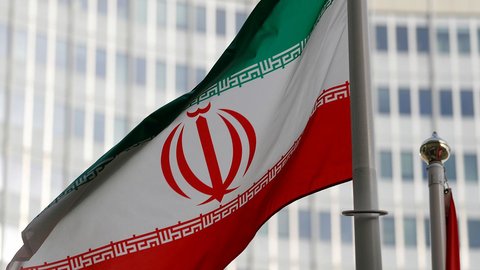
Iran (IMNA)_ Baghaei stated that Resolution 2231 has officially expired as of October 18, in line with the explicit provisions outlined in the document. He noted that although the resolution has come to an end, certain rights it recognized for Iran — including the acknowledgment of the country’s uranium enrichment program and related activities — remain valid.
The spokesperson highlighted that the Joint Comprehensive Plan of Action (JCPOA) was designed as a temporary agreement under which Western parties were obliged to lift what he described as “unlawful sanctions” on Iran’s peaceful nuclear program. In return, Iran voluntarily implemented transparency and confidence-building measures, he said.
According to Baghaei, Iran continued fulfilling its commitments until 2018, when the United States withdrew from the JCPOA. He added that even a year after Washington’s withdrawal, the International Atomic Energy Agency (IAEA) issued fifteen official reports confirming Iran’s full compliance with its obligations up to May 2019.
Referring to recent developments, Baghaei pointed to the decision by the United Kingdom, France, and Germany to invoke the “snapback” mechanism on August 28, initiating a 30-day process to restore all UN sanctions on Iran. The mechanism, included in the 2015 nuclear deal, allows non-Iranian signatories to reimpose sanctions if they assess Iran as non-compliant with its commitments.
In response, representatives from Iran, Russia, and China sent a joint letter to UN Secretary-General António Guterres on Saturday, asserting that the European move to trigger the snapback mechanism lacked any legal basis.
Your Comment