
Iran (IMNA) - City branding is a set of purposeful activities that are carried out to create or strengthen a specific image and identity of a city among domestic and foreign audiences. This process helps to enhance the symbolic and economic value of the city by identifying its unique characteristics, developing key messages, and implementing communication and visual strategies. Successful city branding involves synergy between development policies, urban management, and citizen participation.
Urban identity, meanwhile, is like a shared mental image that citizens and various stakeholders have of the city and originates from features such as history, culture, architecture, geography, and lifestyle. Branding can reconstruct and strengthen the city's identity by redefining these elements in the form of contemporary concepts.
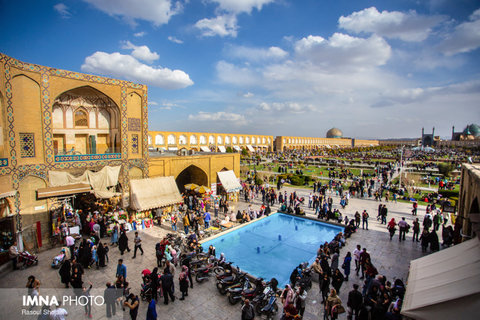
Isfahan has long been known by titles such as “Half the World” and “Living Museum of Islamic Architecture.” With its iconic historical monuments such as Naqsh-e Jahan Square, historical bridges, authentic architecture, and rich cultural heritage, the city is considered one of the most important tourist and cultural hubs in Iran. However, the public image of Isfahan is largely focused on its past and historical heritage, with less attention paid to the city’s contemporary and innovative dimensions.
The main challenge for Isfahan is how to translate its historical identity into contemporary language and respond to the needs of the new generation. In recent years, urbanization, social changes, and the introduction of new technologies have led to changes in the lifestyle and expectations of citizens. In the meantime, branding can adapt Isfahan’s identity to the requirements of the present era by recreating new narratives.
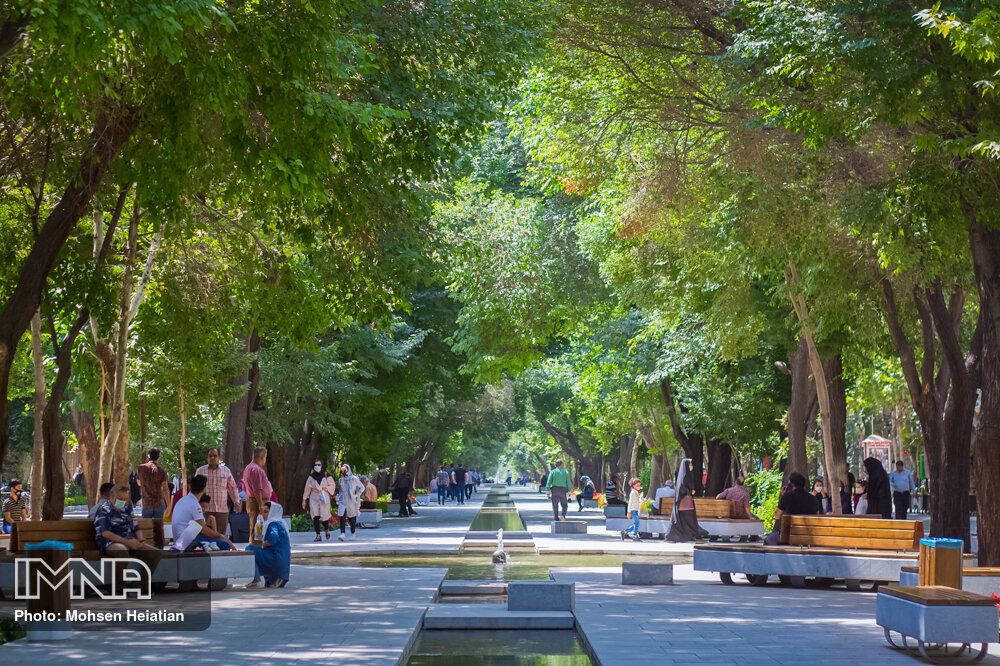
One of the key branding strategies for Isfahan is to represent historical and cultural elements in innovative formats. Successful branding should be able to connect the past to the present in a way that is meaningful and attractive to today’s generation. For example, cultural projects such as contemporary art festivals inspired by local traditions, combining modern architecture with historical elements, or recreating handicrafts in new designs can present Isfahan’s authentic identity in a contemporary way.
City branding not only affects the mindset of tourists but also the attitude and attachment of citizens. For Isfahan, redefining the mental image from a “purely historical city” to a “creative and contemporary city with rich roots” can strengthen social capital, increase citizen participation, and attract elites and investors. In this regard, the development of technological infrastructure, support for cultural startups, and the use of digital media play a significant role in creating this new image.
Contemporary branding for Isfahan can help develop smart tourism and the creative economy. Cities that define their brand based on innovation and unique experiences are able to attract more tourists and investors. Isfahan, with its artistic capacities, handicrafts, and cultural spaces, can build its brand on the core of “the city of creative arts” and establish its position in the global arena by holding international events.
Active citizen participation in the branding process is one of the determining factors for its success. A city brand identity is authentic when it reflects the real experiences and values of citizens. In Isfahan, the basis for citizen participation in defining and realizing a contemporary urban brand can be provided by launching consultative workshops, media campaigns, and supporting grassroots initiatives.
Suggested Strategies for Contemporary Branding for Isfahan
Developing a Key Brand Message
The first step is to develop a key message and brand slogan that should be a combination of the city’s historical identity and contemporary capabilities. For Isfahan, messages such as “Isfahan; City of Creativity and Heritage,” “Isfahan; Link of Tradition and Innovation,” or “Isfahan; Heart of Contemporary Iranian Culture” can represent a new approach.
Designing an Innovative Visual Identity
The visual identity includes the logo, color scheme, symbols, and graphic elements that should be based on identifying Isfahan’s distinctive elements and reinterpreting them in contemporary language. Inspiration from Islamic motifs, bridges, or Naqsh-e Jahan Square in a minimal and modern format can create a unique visual identity for the Isfahan brand.
Developing cultural and technological infrastructure
Developing cultural infrastructures such as contemporary museums, galleries, innovation centers, and technology parks plays an important role in strengthening Isfahan’s contemporary brand. In addition, supporting international art events, film, music, and handicraft festivals can introduce Isfahan as a hub of contemporary culture.
Using digital media and social networks
In the digital age, an active presence of a city brand on social media and producing targeted content is inevitable to attract young and global audiences. Visual storytelling of Isfahan’s contemporary lifestyle, promoting new tourism experiences, and showcasing the successes of Isfahan artists and entrepreneurs can create a new image of the city.
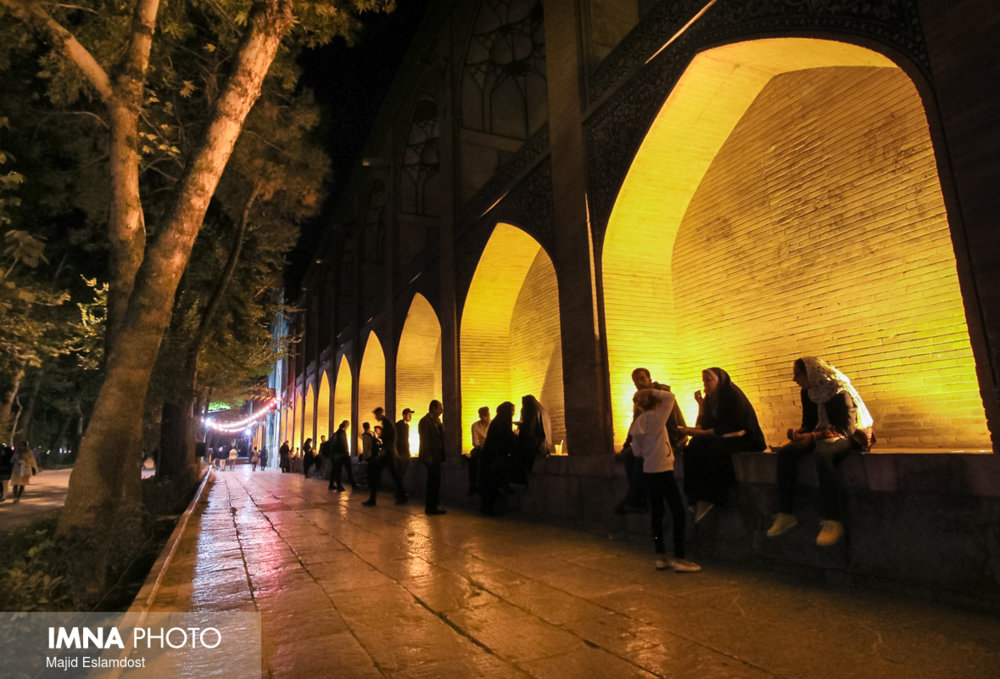
Urban branding is an effective tool for redefining the contemporary identity of cities like Isfahan, which have enormous historical and cultural assets. With a strategic and participatory approach, Isfahan’s identity can be recreated in the form of a contemporary brand and, while maintaining its authenticity, strengthen the city’s innovative and economic capacities. Successful implementation of this process requires formulating a key message, designing a new visual identity, developing infrastructure, and citizen participation. By realizing these strategies, Isfahan can regain its worthy position in the national and global arena and be presented as a model for other Iranian cities.

Your Comment