
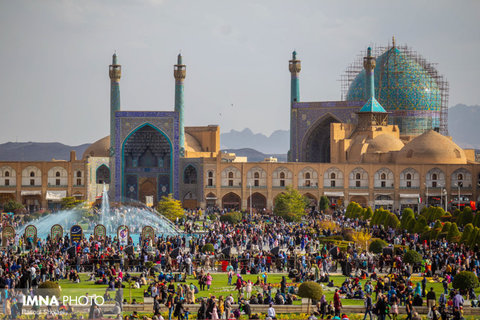
Iran (IMNA) - The sister city concept goes far beyond merely a symbolic tie; it represents meaningful commitments that foster cultural, economic, and social cooperation between cities across the world.
The tangible framework of sister cities first entered urban management literature after World War I, with the signing of a memorandum of understanding between Keighley in England and Picardy in France.
Following World War II, the idea became popular as statesmen worldwide promoted such relationships to build emotional connections between citizens that could prevent future wars and promote peace. These ties were defined to ensure that populations with shared bonds would never resort to violence against one another or exploit their mutual benefits to foster unity. These twin city agreements are much more than formalities as they involve practical commitments. For example, when one sister city faces natural disasters, the other is morally expected to offer support. Moreover, the exchange of experiences and training regarding city affairs enriches both communities, improving the quality of life and governance.
To form a strong sister city tie, urban officials should conduct thorough background research on the various potentials of the partner city, including geographical features, industrial status, cultural and educational capabilities, and existing historical connections. Successful cooperation requires support from city councils, the formation of specialized committees, and the establishment of regulations to monitor and sustain the relationship.
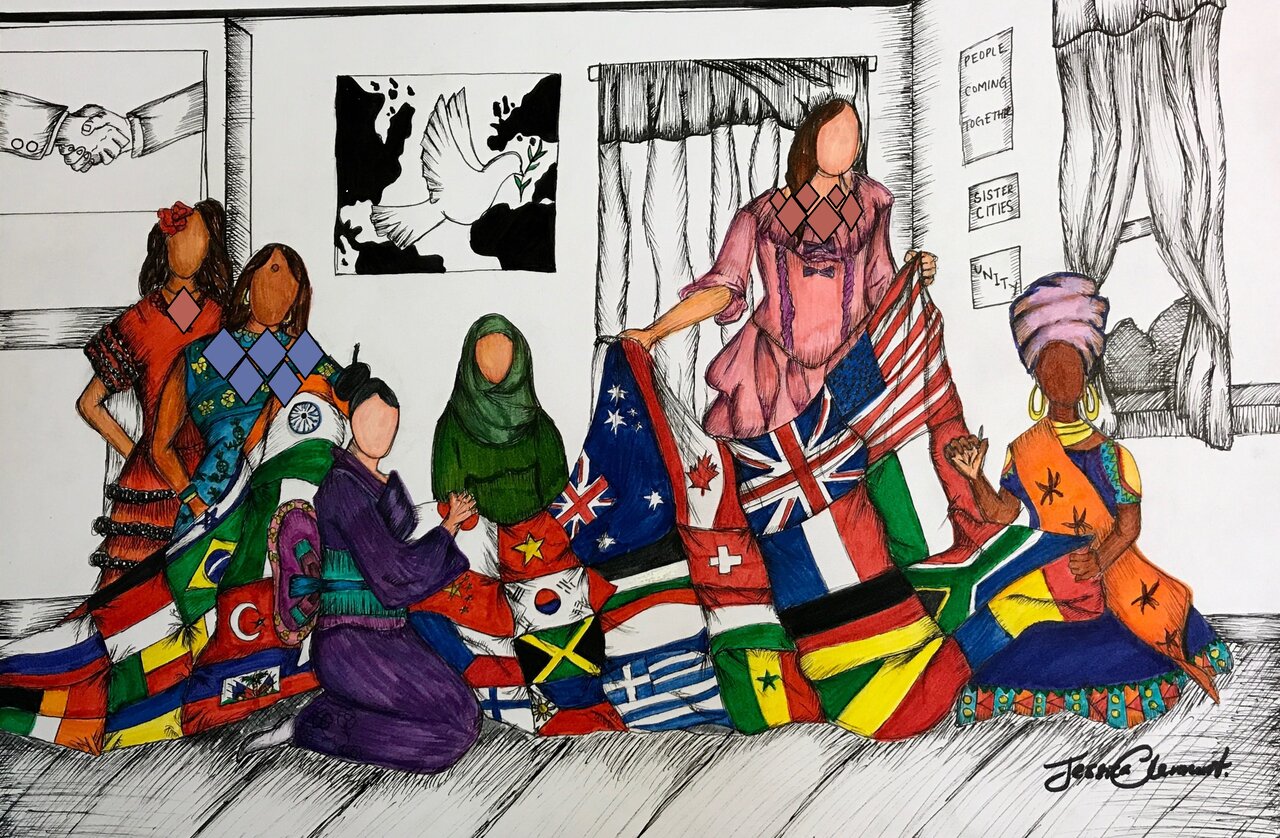
The first concrete steps for twin city ties often begin with local governing bodies, business leaders, or cultural activists who form twinning committees before formalizing cooperation at the official level.The establishment of sister city panels made up of local stakeholders creates a structured bedrock for meaningful partnership, paving the way for fruitful exchanges in various domains beyond legal agreements.
Through such cultural diplomacy, sister cities promote tourism, which is the main objective of twin agreements, giving both sides the opportunity to introduce their unique customs and traditions to each other.
Iran’s Isfahan exemplifies the successful use of sister city partnerships to enhance cultural and international cooperation.
With its rich history, the city has established itself as a global tourism brand by holding “Sister Cities Weeks.” These events include handicraft exhibitions, tourism showcases, and artistic programs that celebrate Isfahan’s unique cultural assets and deepen bonds with twin cities.
Such cultural programs provide a platform to strengthen mutual understanding and lay the groundwork for broader collaborations in cultural, scientific, economic, and sports affairs. Officials visiting Isfahan during these weeks contribute to tourism growth and boost the city’s international presence.
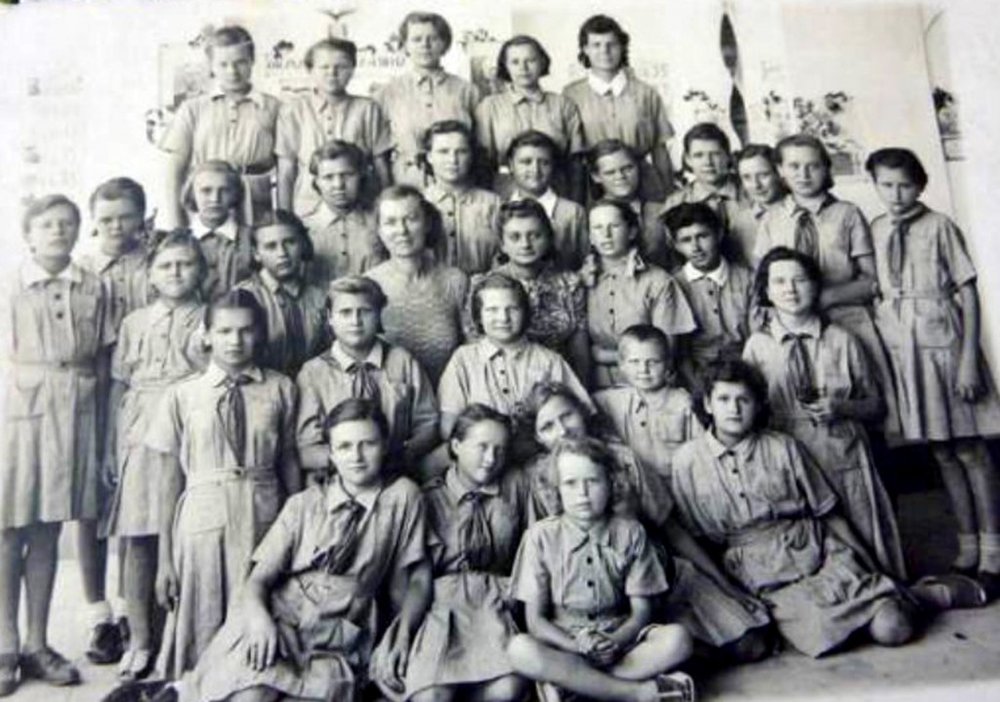
Isfahan’s fruitful cooperation with Poland highlights these connections. A remarkable example was a photo exhibition commemorating Jewish Polish children who took refuge in Isfahan during World War II. Accompanied by gatherings and documentary screenings, the event strengthened cultural and historic ties between the two nations. Moreover, cooperation extended to urban renewal projects inspired by the support of Polish experts as well as medical collaboration focused on pediatric surgery, advancing Isfahan’s technical and cultural development.
Relations with Isfahan’s Russian sister city, Saint Petersburg, focus on tourism and cultural exchange. Initiatives include launching direct flights and discussions on constructing a hotel in Isfahan with Russian investment to improve visitor accommodations. Another landmark project involves collaboration between the Hermitage Museum and Isfahan Art University, sharing knowledge about preserving cultural and historical heritage. Furthermore, educational cooperation between Saint Petersburg’s Pavlov First State Medical University and Mechnikov University creates opportunities for Iranian students to study medicine in Russia.
Isfahan’s partnership with the Far Eastern city Xi’an is also anchored by two memorandums of understanding. One grants Isfahan space within Xi’an’s Economic Zone to showcase handicrafts, while the other promotes collaboration in health tourism, including traditional medicine and acupuncture, alongside academic exchanges and joint workshops. Xi’an’s historic status as one of China’s ancient capitals enriches this partnership.
Iranian cities like Isfahan leverage sister city relationships to strengthen international cooperation and cultural diplomacy. These partnerships position cities as cultural ambassadors, attracting visitors and investors while fostering friendship and cooperation. By nurturing these ties, sister cities worldwide can build a more connected and peaceful future rooted in shared understanding and collaboration.

Your Comment