
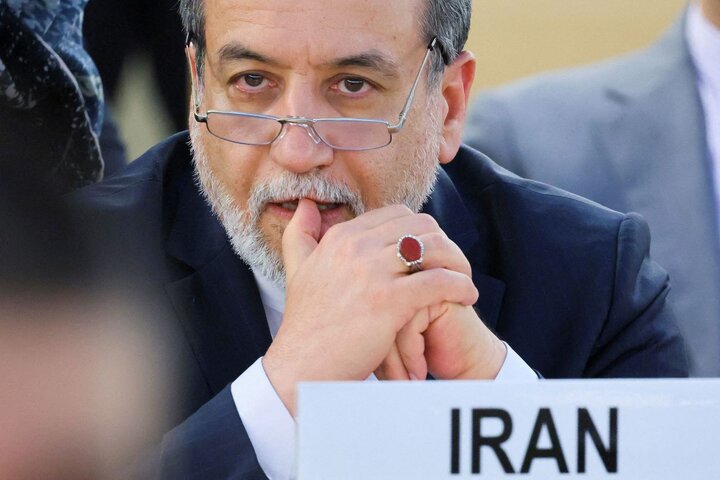
Iran (IMNA) - In an article published in the An-Nahar newspaper, Araghchi reflected on Iran’s evolving role in the Palestinian cause, stating that Iran now occupies a decisive position in the regional balance of power. He highlighted two key points: Iran’s strong resistance against Israeli aggression has shattered the image of Israeli strength, which had relied heavily on U.S. and allied support; and Iran’s response aligns with the unanimous Resolution No. 69/51 by the Organization of Islamic Cooperation (OIC), which condemns Israeli military actions as aggression and war crimes under international law.
Araghchi pointed out that the solidarity shown within Iran after recent attacks has extended regionally and across the Islamic world, marking a moment of unity not seen since 1969, when Zionist forces attacked Al-Aqsa Mosque. He compared today’s developments to the historic Rabat Summit of 1969, which established the Palestinian cause as a central focus for Islamic cooperation, suggesting that a similar unified awareness is now emerging.
He stressed that the Islamic world is now shaping a new discourse based on realism and strength, with collective cooperation as the foundation for deterrence against shared threats. Araghchi called for the UN Security Council to take decisive action to legally formalize the ceasefire and secure guarantees from the aggressor to prevent future violence, noting that past ceasefires in Gaza and Lebanon failed due to lack of such guarantees.
Iran advocates for a Middle East free of nuclear weapons and urges economic development initiatives among Islamic countries to ease regional tensions. Araghchi emphasized the importance of justice, calling for the International Atomic Energy Agency to condemn attacks on Iran’s nuclear facilities and for these condemnations to lead to enforceable measures.
He identified Lebanon and Palestine as pivotal to peace efforts and called for immediate cessation of aggression and occupation in these regions, along with urgent humanitarian aid and international reconstruction support.
Finally, Araghchi proposed establishing an Islamic Human Rights Court based on recognized Islamic legal principles to complement international justice mechanisms, suggesting that Turkey’s current OIC presidency could facilitate the formation of a preparatory committee to draft its statute.
For Iran, collective peace and stability in West Asia, free of nuclear weapons, is both achievable and essential through joint cooperation focused on shared destiny.
Your Comment