

Iran (IMNA) – Festivals have become a tool for cities to show the rest of the world who they are. They bring together culture, creativity, tourism, and global exchange in one place. It’s not just about the music, art, or films featured during these events; it’s also about how a city is seen by others. These festivals help shape how people think about a city. They build a sense of cultural identity and create relationships that extend beyond the city’s boundaries. Their impact lasts long after the last performance ends.
For cities, a festival that takes place every year offers a chance to share a story that buildings, statues, and travel advertisements cannot tell. It allows visitors to experience the culture, interact with artists and locals, and see how the city remembers its history and builds its future. When these festivals are supported by ongoing cultural plans, they do not simply come and go. Instead, they grow into something that helps define the city on the world stage. They become part of the city’s identity rather than merely something that attracts people for a few days.
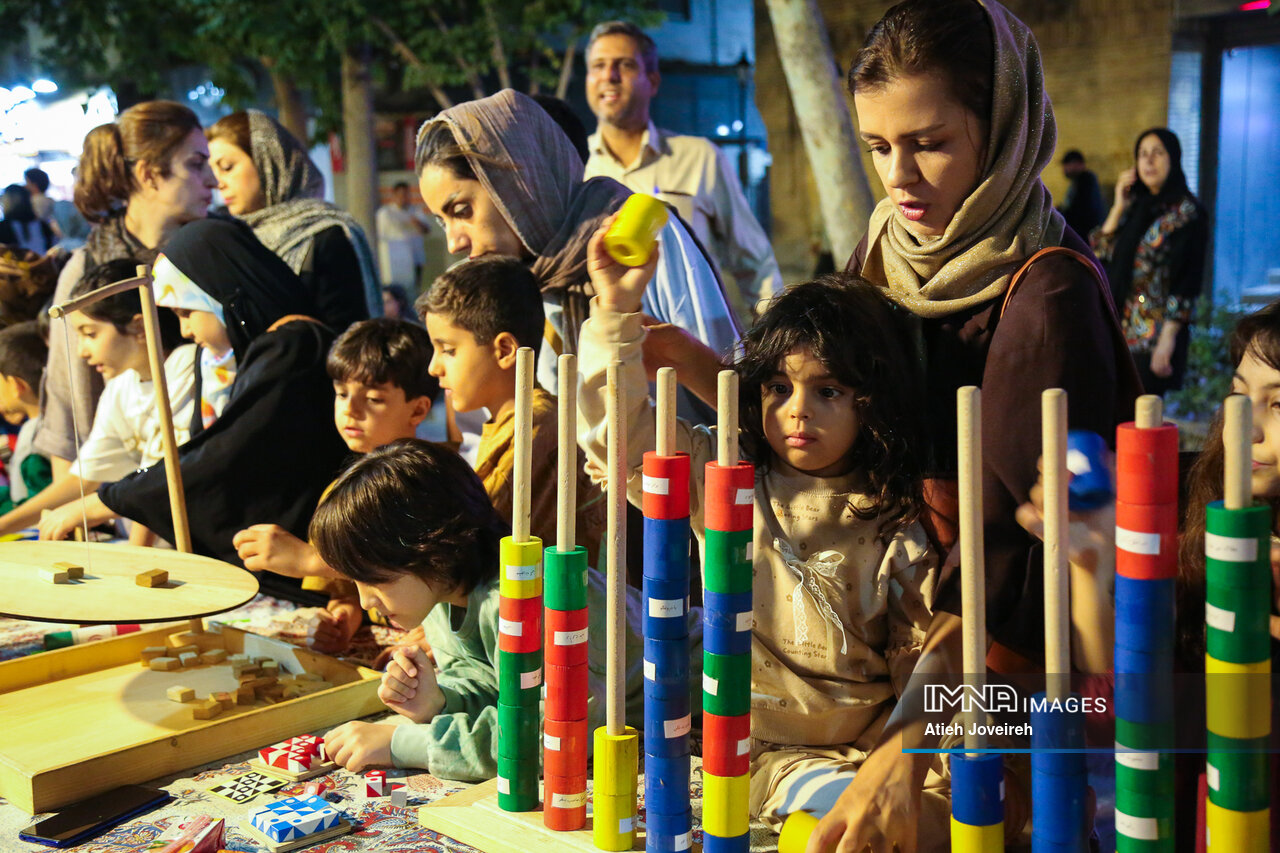
Edinburgh offers a prominent example of the relationship between cultural events and global recognition. Its international calendar of arts, theatre, music, literature, and film has helped establish the Scottish capital as a major cultural destination. A June 2026 impact report from Edinburgh’s festival organizations highlighted the festivals’ contributions to the city’s identity, community life, and international reputation. The report also emphasized their role in connecting artists and audiences across national borders.
The significance of events goes far beyond simply attracting visitors. Festivals provide a space where artists can showcase their work to people from around the world. They help spark collaboration and open doors for local creative industries to connect with broader professional networks. These events also give residents a chance to participate in cultural life, ensuring that a city’s global reputation remains tied to the real experiences of its own people.
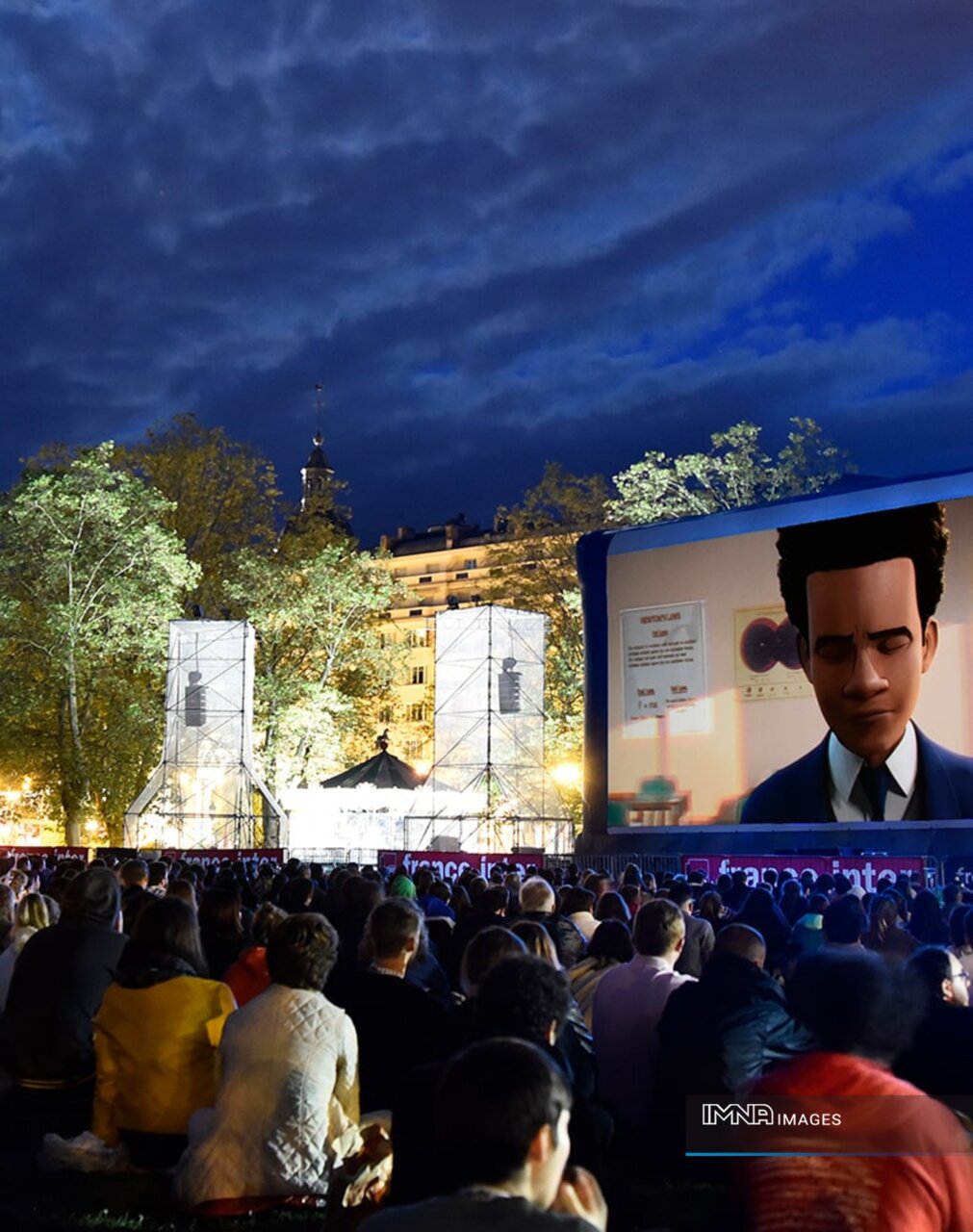
One notable case in this regard is the Annecy International Animation Film Festival in France shows how a focused cultural event can put a city on the global stage. By bringing together animation professionals, filmmakers, and fans, the festival connects the city to a creative network. Its market, held alongside the festival, creates an environment for the animation industry. This demonstrates how a festival can combine cultural exchange with real opportunities for creative collaboration.
For host cities, this kind of specialization can be very useful. Instead of trying to offer all kinds of cultural attractions, a city can build its identity around an area that reflects what it wants to achieve and what it does well. Film, animation, literature, music, and children’s culture can each offer a way to connect with people around the world.
Isfahan: Introducing a Historic City Through Children’s Cinema
In Iran, Isfahan offers an opportunity to see how a city with a rich architectural and cultural history can build its international reputation through modern cultural events. The city is known for its squares, bridges, mosques, and distinctive architectural styles. It is also home to the International Children’s and Youth Film Festival, which brings films and young people into the city’s cultural life.
The festival is a way to introduce Isfahan to the rest of the world. While its historic sites tell stories of centuries of artistic achievement and architectural skill, children’s films present the city through creative ideas, learning, imagination, and the experiences of young people. This combination can help broaden the city’s image by linking its past with its aspirations.
A children’s and youth film festival also offers opportunities for international exchange through storytelling. By making films from different countries available to young audiences, festival organizers give them opportunities to become familiar with foreign cultures while enabling filmmakers and cultural professionals to exchange ideas across linguistic and geographic borders. In this process, the host city provides a setting for film professionals and arts managers to come together and exchange ideas. It also offers member cities opportunities to benefit from and participate in cultural exchange programs that take shape through different festivals.
The urban dimension of such a project is equally important. Various festival activities enable people to participate in cultural events across public spaces, neighborhoods, and schools, bringing together families and other participants beyond formal screening venues. When activities extend into public spaces and neighborhoods, visitors to the city can experience its everyday life in addition to its famous landmarks.
For Isfahan, what matters is showcasing its potential to the fullest. Isfahan has the potential to present itself as a venue for various cultural events and as a city where children engage with cinema and artists meet and exchange ideas.

From Visibility to International Connections
Festivals can also help cities build broader ties with partners around the world. By facilitating the exchange of ideas among artists, schools, cultural groups, and local residents, regular festivals can create connections that last beyond the final show or film. These connections can help people work together, learn about one another’s cultures, and establish people-to-people ties that extend beyond diplomatic relations.
Simply attracting international visitors is not the same as creating benefits. A successful festival depends on the quality of its program, the diversity of its participants, how easily residents can access it, and the connections it creates with the rest of the city. Visitors’ experiences are also shaped by how easily they can travel to and around the city, including access to public transportation and roads. Accommodation and cultural facilities also have an impact.
The key for a city seeking to strengthen its international profile is to look beyond attendance figures and media coverage. How do festivals support local talent and cultivate interest in the arts? Do they encourage repeat visits? Lasting effects can also emerge when a festival helps develop partnerships and cultural networks, not only in the arts but also in other fields, and fosters new connections between communities at home and abroad. To maximize the impact of successful festivals, cities should adopt a long-term, development-oriented perspective and involve sectors beyond culture in their planning.

A Lasting Place on the World Map
The experience of festival cities demonstrates that global recognition can emerge not only from major landmarks or large-scale infrastructure but also from the cultural experiences a city offers and the relationships it helps create.
For Edinburgh, an extensive festival program has become closely associated with the city’s international identity. Annecy demonstrates how a specialized film event can connect a city with a global creative industry. Isfahan’s Children’s and Youth Film Festival offers another perspective, showing how a historic city can use contemporary cultural programming to engage younger generations and create opportunities for international cultural exchange.
Ultimately, a festival’s lasting value lies in the relationship it builds between an event and its host city. When cultural programming reflects local identity, welcomes international participation, and remains meaningful to residents, a festival can become more than a date on the cultural calendar. It can become a way for the city to communicate who it is, what it values, and how it wishes to connect with the world.

Your Comment