

Iran (IMNA) - Waiting for a bus, an elevator, at a hospital, or for a traffic light to change are all part of the urban experience. A five-minute delay may look small from the point of view of urban transport timetable; however, these five minutes may seem much longer for a person who is standing under the blazing sun without having any chair and does not know exactly when the bus will arrive.
It can also pass in the blink of an eye if one is seated in the shade, waiting for the next vehicle in a bus queue, able to watch a countdown clock showing exactly what is about to happen. This highlights a facet of urban design that has been ignored much more than issues of mobility, density, and infrastructure, and that is the psychology of waiting.
It is impossible for cities to be free of times when waiting is necessary. From delays on public transport to hospital queues, crowded lifts, and traffic lights that stop pedestrians, these inevitable occurrences will happen in any city. Contrary to the notion of attempting to design a world where there is no need to wait, the objective is rather to design cities in which waits are unavoidable but not necessarily unpleasant or unpredictable experiences.
The difference lies in the reality that people’s sense of time does not solely depend on how well the clock tells time. Instead of aiming to create a world in which there is no waiting, the real challenge is to create cities in which inevitable waits are not necessarily uncomfortable or uncertain experiences.
The way we perceive time depends on whether we are comfortable or not. Thus, the more uncertain the waiting process, the longer we perceive it; the more uncomfortable the waiting process is physically, the more annoying it becomes, even if it is only several minutes long.
Waiting cannot be removed from any city; public transit is bound to be delayed, queues at hospitals will emerge, elevators are bound to be crowded, and pedestrians will have to wait at traffic lights. The real problem thus lies in designing cities not without waiting, but in such a way that waiting does not automatically become an experience of uncertainty, discomfort, and frustration.
It is important to make this distinction since human experience of time is not merely based on the clock. Time perception is dependent on the level of comfort, information, control, and sensory stimuli available. An uncertain wait feels like it takes more time than a predictable wait, and physical discomfort becomes increasingly frustrating even if waiting is of short duration. For urban designers, this means that the duration of waiting is only one part of the problem. The environment surrounding that duration can be designed.
When uncertainty becomes the real problem
One of the strongest reasons for frustration in urban waiting may not be the waiting itself, but rather uncertainty regarding the waiting period.
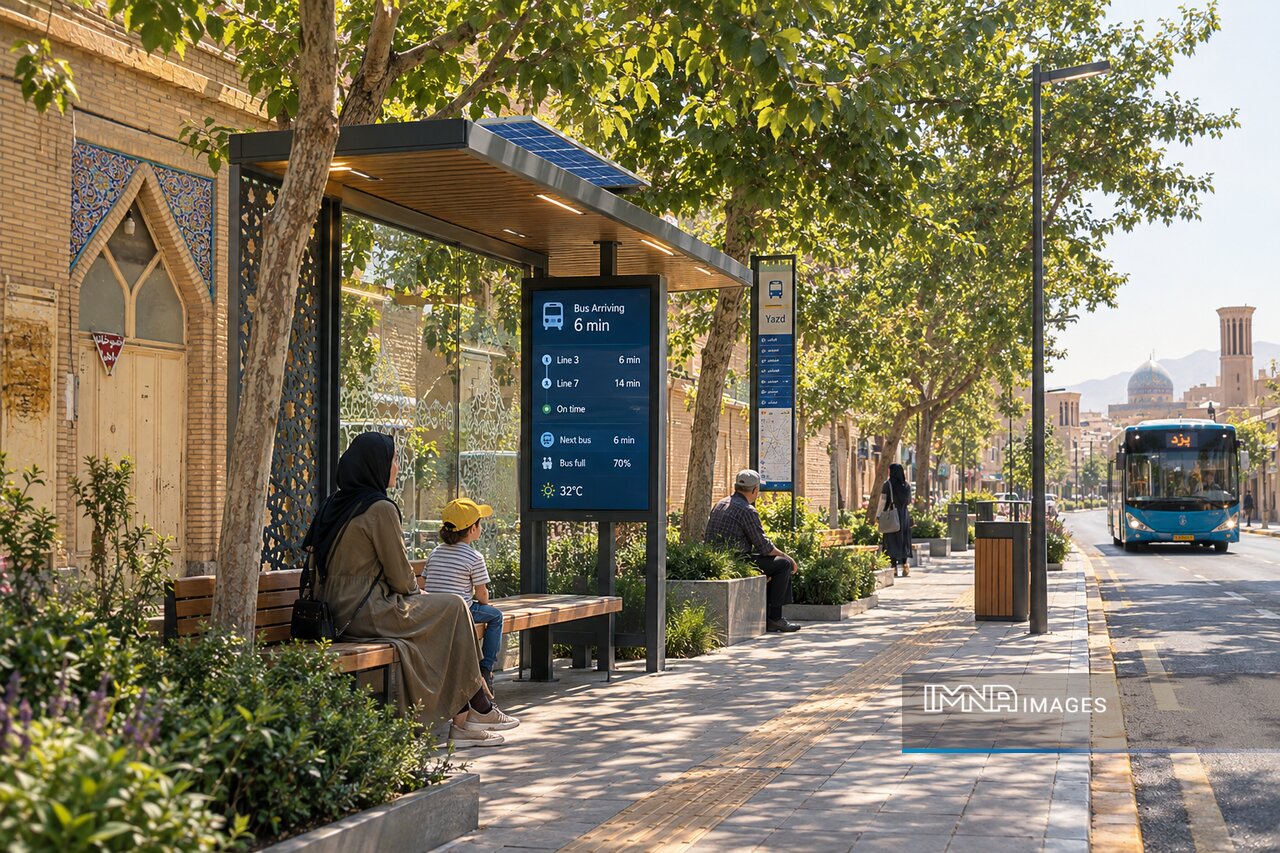
For example, the passenger who knows that the bus is going to arrive in six minutes is able to take some decisions concerning the waiting period, while the passenger who does not know whether the bus is arriving in two or twenty minutes stays psychologically suspended. That is why the information should be considered as an important component of the waiting infrastructure.
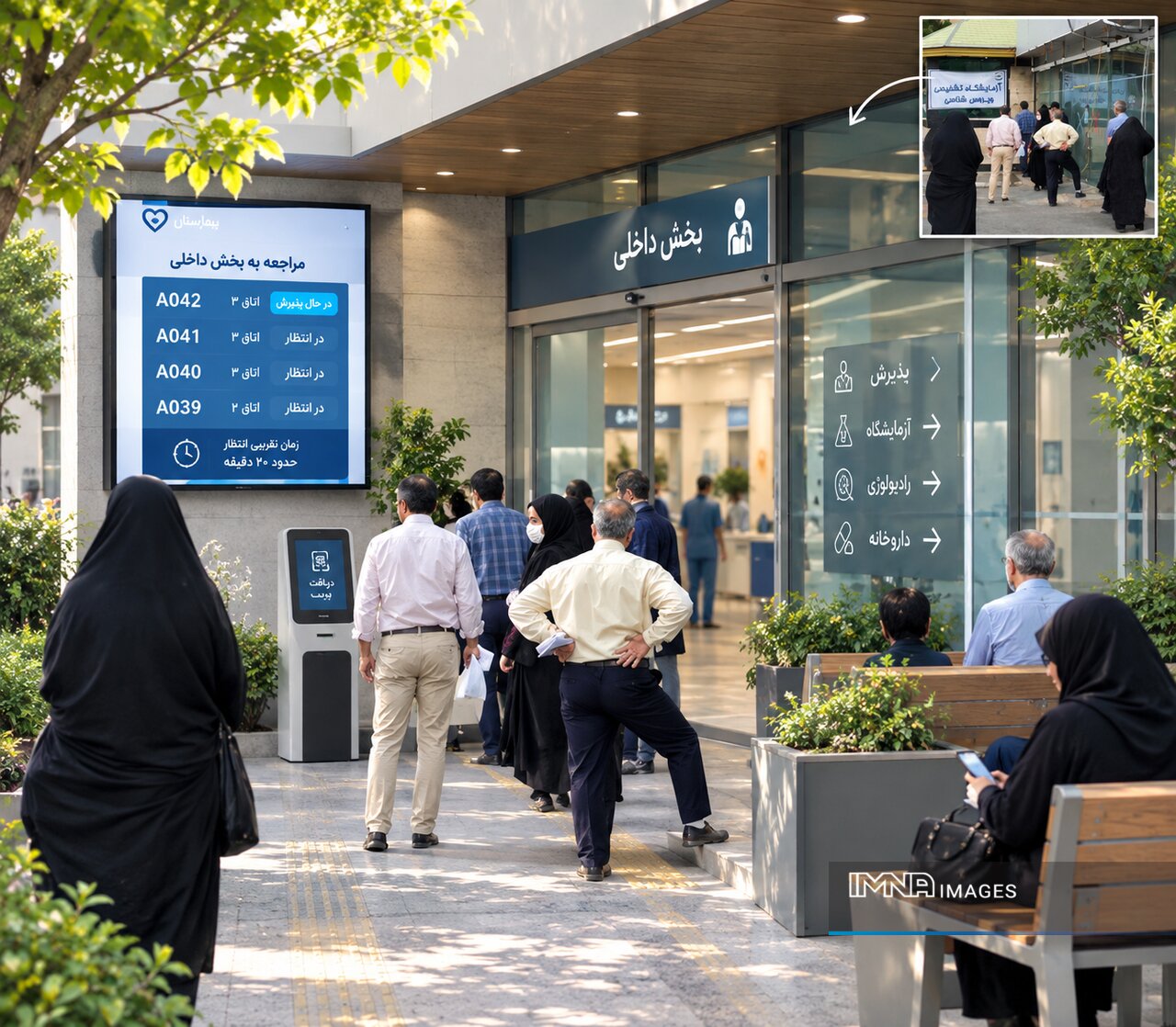
The traditional digital display at a bus stop gives the passenger information regarding the waiting period, but future systems may provide more information. Such information would include whether the bus is delayed; whether there has been any change in the estimated arrival time; whether the bus is full and if another transport means might give faster arrival. The same principle might be applied to hospitals, public services centers, airports, etc., where people usually have to wait. In addition, such a shift is aimed not only at providing additional information but also at giving people the understanding of what is happening and what is going to happen next.
Designing what people see while they wait
The physical environment also influences how waiting is perceived. At many bus stops, passengers stand behind advertising panels or enclosed shelters with limited visibility of the road. They cannot see whether the bus is approaching until it is almost upon them. In other environments, such as elevator lobbies, people stare at closed doors without any indication of where the elevator is or how long it will take to arrive.
Urban designers could respond by creating what might be described as a waiting horizon—a visual relationship between the person waiting and the event for which they are waiting.
At a bus stop, that might mean preserving a clear view toward approaching vehicles. At a railway station, it could mean making platforms and arrival information visually legible. In an elevator lobby, a display could show the location and direction of arriving elevators.
The principle is simple: when people can see progress, they are less likely to experience waiting as an undefined period of inactivity.
This does not require every public space to become technologically saturated. In some cases, architecture itself can provide the information. Clear sightlines, visible circulation, understandable entrances and transparent movement systems can make a space more legible without adding another screen.
The bus stop as climate infrastructure
The traditional bus shelter is another example of how cities frequently underestimate waiting. A shelter is often treated as a small piece of street furniture, yet passengers may spend hundreds of hours a year standing or sitting in such spaces. In hot climates, exposure to direct sunlight can turn a short wait into a serious comfort problem. In cold or rainy climates, insufficient protection can make public transport considerably less attractive.
The next generation of bus stops should therefore be designed as microclimatic infrastructure rather than simply as shelters.
Deep shade, carefully positioned trees, passive ventilation, protection from rain and wind, thermally appropriate materials and comfortable seating can make a substantial difference. Solar panels could provide energy for lighting and real-time information systems, while water access and other basic amenities could be incorporated where appropriate.
The most successful bus stop may not be the one with the largest digital screen. It may be the one where a passenger can sit comfortably, remain protected from the weather, see the approaching bus and understand exactly when it will arrive. In other words, the objective is not merely to shorten waiting time. It is to make waiting physically tolerable.
The waiting room should no longer be leftover space
Many waiting rooms are designed as residual spaces: rows of identical chairs facing a wall or television, with little attention to daylight, acoustics, privacy or personal choice. Yet a person sitting in a waiting room remains psychologically engaged with the environment.
A more sophisticated waiting room would offer different ways of occupying time and space. Some people may want to sit alone. Others may prefer to talk. Some may need a small surface for a phone or book, while others may simply want a quiet place away from noise.
This suggests that waiting environments should provide a range of spatial conditions rather than treating every user identically. A hospital, for example, could combine individual seating with small clusters, quiet areas, views toward greenery and access to natural light. A transport interchange could provide both active and calm zones, allowing passengers to choose how they spend the interval before departure.
The important point is that good waiting design should provide choice without demanding participation. A city should not force people to watch a screen, interact with an installation or consume commercial content simply because they are waiting. Sometimes people simply want somewhere comfortable to sit.
The value of doing nothing
Modern urban design increasingly assumes that every unused minute should be made productive. Transport stations offer retail. Waiting areas provide advertising. Public spaces increasingly include digital screens. Even moments of rest can become opportunities for commercial engagement.
But this approach risks creating another form of urban pressure. Waiting does not always need to be productive, nor does it necessarily need to be entertaining. A comfortable bench beneath a tree can be more valuable than another screen. A quiet corner can be more restorative than a digital information wall. A view toward a garden can offer a more meaningful interruption than a continuous stream of advertisements.
The most sophisticated waiting environments may therefore be those that offer optional engagement rather than compulsory stimulation. A passenger could read local information, charge a device, look at public art, observe the street or simply sit quietly. The city provides possibilities without dictating how the citizen must use them.
Nature can make waiting feel different
This is where landscape architecture becomes particularly important. Trees, vegetation, daylight, water and natural materials can change the sensory character of environments that would otherwise be dominated by concrete, traffic and mechanical systems.
A shaded bus stop beneath a tree canopy is not simply more attractive than an exposed shelter. It provides a different thermal and sensory experience. A hospital waiting room overlooking a planted courtyard can feel fundamentally different from one facing a blank wall. This points toward a broader concept of biophilic waiting infrastructure, in which nature is integrated into the places where people routinely spend time waiting.
Transport interchanges could incorporate interior landscapes. Pedestrian crossings could be connected to planted refuge areas. Hospitals could organize waiting spaces around therapeutic gardens. Public-service buildings could use daylight and vegetation to reduce the institutional character of their interiors.
The objective is not to turn every waiting area into a park. It is to prevent waiting from automatically becoming an experience of noise, heat, visual monotony and exposure.
The queue can become less of a queue
Few urban experiences create a stronger feeling of wasted time than standing in a line. Traditional queue design often assumes that the physical line itself is necessary. People stand behind one another, move forward incrementally and remain in the same location until their number is called. Digital systems make it possible to separate the logic of the queue from its physical form.
A hospital patient could receive a digital position and an estimated waiting time without having to remain directly outside a treatment room. A public-service visitor could receive a notification when their turn approaches. A transport terminal could distribute passengers across different waiting areas while maintaining an orderly boarding sequence.
This creates what could be described as a distributed queue. The person's place in line remains secure, but the person is no longer physically imprisoned by the line. That change has architectural consequences. Spaces previously designed simply to accommodate queues can instead become more flexible public environments, allowing people to sit, walk, read or access other services. The objective is not to eliminate order. It is to eliminate unnecessary physical confinement.
Waiting should also be designed for children and older people
Not everyone experiences waiting in the same way. Children can find a short period of inactivity extremely long, particularly in environments designed entirely around adult behavior. Older people may have greater difficulty standing for extended periods or navigating crowded queues.
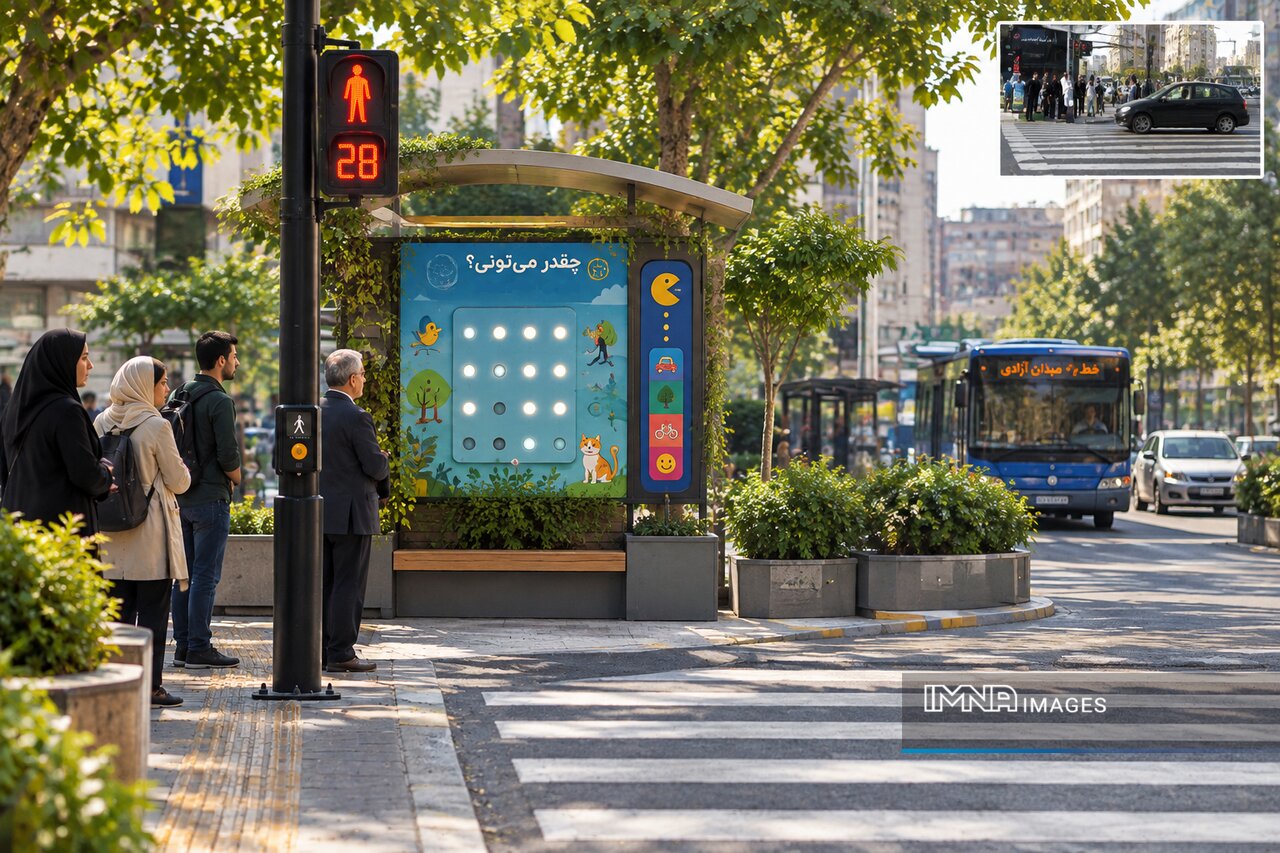
Waiting environments therefore need to account for different physical and psychological needs. A child-friendly bus stop does not necessarily need to become a playground. Small visual elements, tactile surfaces, planting at child height or simple interactive features can provide opportunities for observation and discovery.
For older passengers, comfortable seating, shade, clear information, accessible pathways and adequate crossing time may be more important than technological features. Universal design should therefore extend beyond access to buildings and consider the experience of waiting itself.
Even the elevator can become a psychological design problem
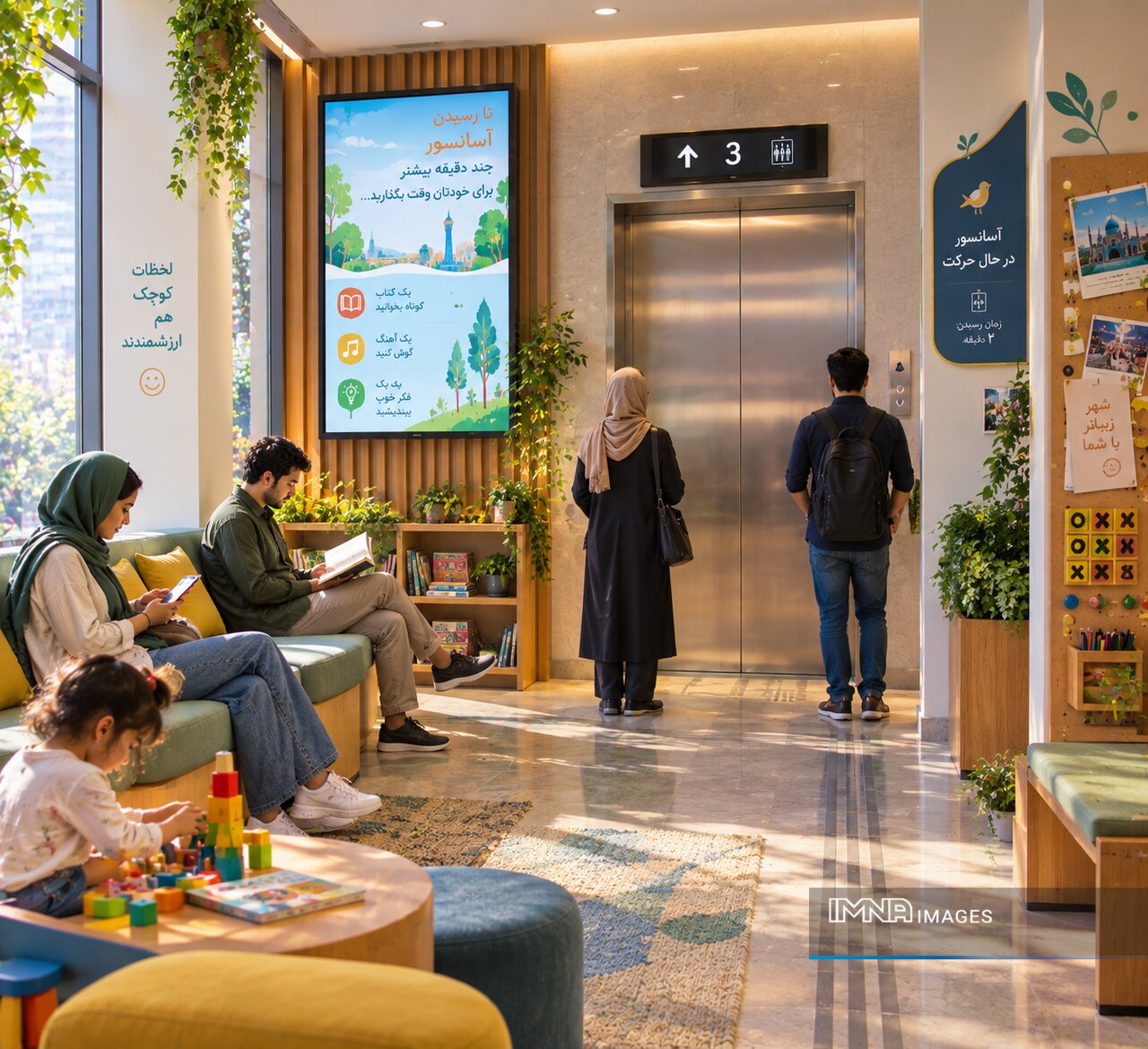
The elevator lobby provides a particularly clear example of how architecture influences the perception of time. People press the button and then wait in front of a closed door. Sometimes they press the button again, even though the system has already registered the request. The behavior reflects a simple problem: there is almost no visible evidence that anything is happening.
A more psychologically intelligent system could show the elevator's location, direction and estimated arrival. Subtle lighting or sound could confirm that the request has been registered. But technology is only part of the solution. If waiting is unavoidable, the surrounding architecture can make the interval more pleasant. Natural light, artwork, views, planting or visual connections to other parts of the building can give people something meaningful to perceive. The elevator does not necessarily need to arrive faster but the experience of waiting for it needs to become better.
Red lights are also urban experiences
The same principle applies to traffic signals. A red pedestrian signal may last only a short time, but repeated interruptions accumulate throughout a person's daily journey. When the duration is unclear, the interruption can feel arbitrary.
Countdown signals provide one solution by making the remaining time visible. Adaptive pedestrian signals could take the idea further by responding to real pedestrian demand and local conditions. At schools, hospitals, transit stations and areas with large numbers of older pedestrians, signal timing could be designed around actual walking conditions rather than treating every pedestrian as moving at the same speed.
This reflects a broader shift in thinking: traffic signals should not be designed exclusively as mechanisms for managing vehicles. They should also be understood as interfaces between the city and the people moving through it. Every red light is a small interruption in someone's day; so, good design acknowledges that interruption.
Beyond the smart city
The psychology of waiting also raises a larger question about the future of urban planning. For decades, the idea of the smart city has focused on sensors, artificial intelligence, real-time data, automated systems and optimization. These technologies can make urban systems more efficient, but efficiency alone does not guarantee a better human experience.
A city can be technologically advanced and psychologically exhausting. The next stage of urban innovation may therefore involve moving from the purely smart city toward a city that is also emotionally intelligent—one that considers not only where people are and how quickly they move, but what urban systems make them feel.
Sensors can tell planners how long people are waiting. Transport data can show when buses are late. Cameras can measure pedestrian flows. Queue-management systems can calculate service times. But the planner must still ask what those numbers mean for the human experience.
A ten-minute wait in a shaded, comfortable and predictable environment is not equivalent to a ten-minute wait in heat, uncertainty and discomfort. The clock records the same duration, but the human experience does not.
A new measure of urban quality
Urban planners should keep in mind that waiting should become part of the vocabulary of urban design alongside accessibility, mobility, safety, density and connectivity. When a new transit station is designed, planners could ask not only how quickly passengers move through it, but what happens when trains are delayed.
When a hospital is designed, they could ask not only how many patients it can accommodate, but how those patients experience the time before receiving care. When an intersection is redesigned, planners could examine not only vehicle capacity but the experience of pedestrians waiting to cross.
And when a public building is evaluated, the waiting experience could become an explicit measure of its quality. The most successful city will not necessarily be the one where nobody waits. Waiting is an unavoidable part of collective life. The more meaningful goal is to create a city where waiting does not automatically mean discomfort, uncertainty or wasted time.
The future bus stop could become a small climate refuge and neighborhood information point. The hospital waiting room could become a calm and restorative environment. The elevator lobby could communicate progress rather than simply presenting a closed door. The pedestrian signal could acknowledge the person waiting rather than merely instructing them to stop.
The fact is that the urban life is not made only of movement. It is made of pauses, interruptions, transitions and moments when people are forced to remain still. The quality of a city can therefore be measured not only by how efficiently it moves people, but by how respectfully it treats them when they have to wait.
Your Comment